
The Customer Doesn't Care About Your Channels — Only Whether It's in Stock
A customer sees sneakers "in stock" in the app, orders, then gets told to wait two weeks — because the app showed DC inventory while three pairs sat on a store shelf 3 kilometers away. The customer cancels, leaves a one-star review, never returns. This "visible but unbuyable" experience kills brands.
Omnichannel boils down to one sentence: inventory visible in any channel is real and sellable; orders from any channel are fulfilled the globally optimal way. The system that makes it real is the OMS.
One Inventory Pool: The Foundation
"One inventory" means every channel's stock — e-commerce DCs, stores, 3PLs, even in-transit — managed uniformly in the OMS, with Available-to-Promise computed in real time. Without it, omnichannel is theater.
Three hard requirements:
- Real-time inventory sync: every sale at a store POS must update sellable quantity in the OMS within minutes. Many retailers sync store inventory once a day — that's "yesterday's inventory," useless for omnichannel.
- Layered inventory allocation: not all stock can be shared across channels. Carve out e-commerce-only, store-only, and shared pools so online orders can't sell out a store's display units.
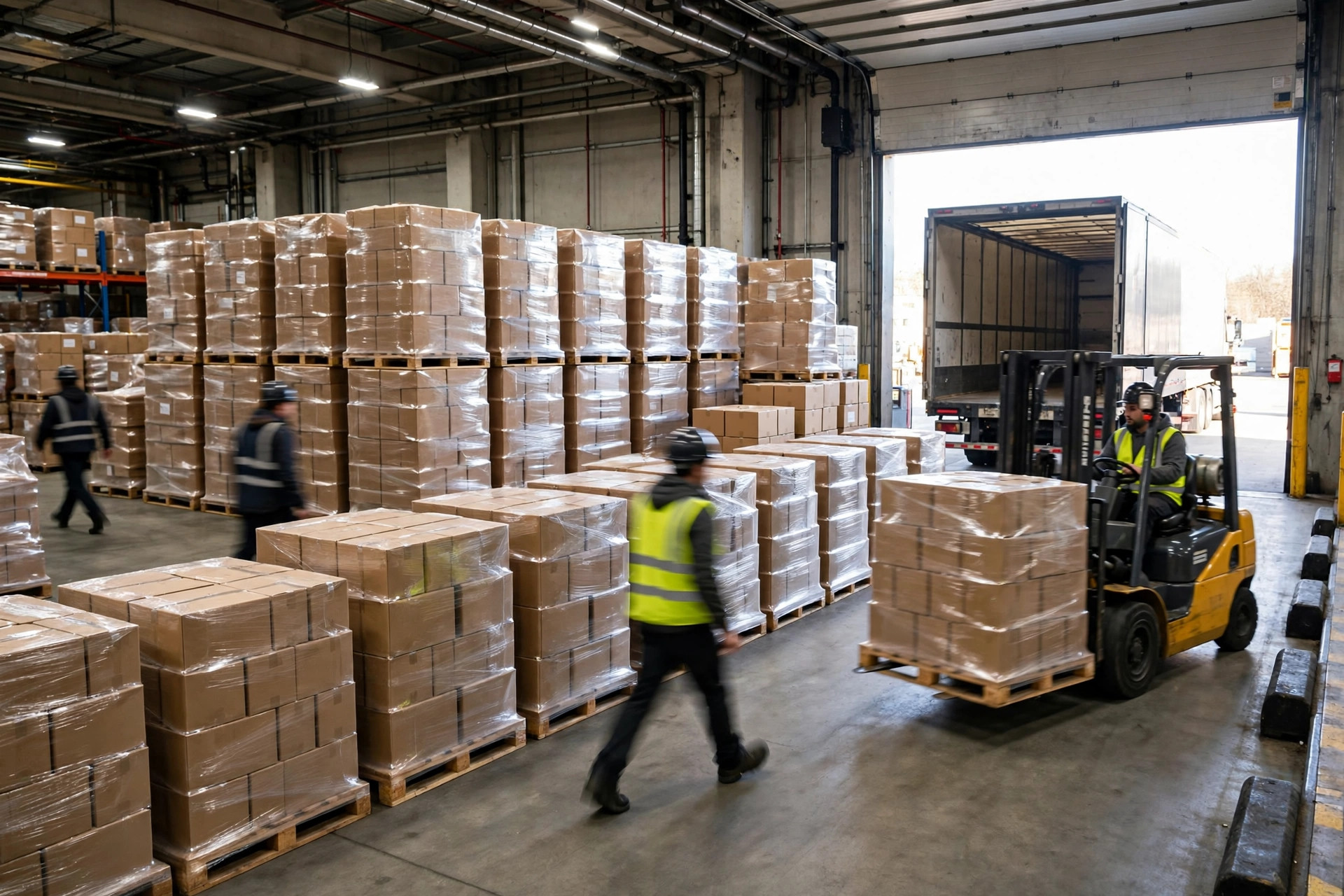
- In-transit visibility: transfer and purchase-order in-transit stock must be visible to the OMS and counted toward ATP, or replenishment decisions will always lag.
Three Mainstream Omnichannel Fulfillment Models
| Model | Flow | Strength | Challenge | |---|---|---|---| | Ship from Store | Online orders picked and shipped by nearby stores | Faster delivery, absorbs store overstock | Low store picking efficiency, amateur packing | | BOPIS (Buy Online, Pickup In Store) | Customer orders online, picks up at the store | Zero freight, drives foot traffic | Pickup flow and ready-time SLAs must hold | | Store-to-DC transfer | Slow-moving store stock moves back to the central DC | Cuts store overstock, lifts turns | Transfer cost, system coordination complexity |
Inventory Accuracy: The Field Method From 85% to 95%
Store inventory accuracy is omnichannel's lifeline. Moving from 85% to 95% isn't about "counting harder" — it's three moves:
- Cycle counts instead of wall-to-wall counts: count 5% of SKUs daily for full coverage monthly. Stores dread the annual wall-to-wall count, and accuracy decays within three months anyway. Cycle counting spreads the workload and holds accuracy higher.
- Scan at receiving: store staff scan inbound goods into the system on arrival via phone/PDA instead of "sell first, paperwork later." 70% of store inventory variance comes from receiving never booked promptly.
- Negative-inventory alerts: the moment a SKU's sellable quantity goes negative in the OMS, fire an alert. Negative inventory is ironclad proof of a process hole — follow it to find the black hole.
Org Design: Who Owns "One Inventory"
The technical blueprint is ready; the last hurdle is organizational. One inventory pool threatens two departments' turf: e-commerce fears stores will drain stock before big promotions; stores fear online orders piling onto their workload. The fix is naming one omnichannel owner — typically under the supply-chain or operations VP — accountable for three shared KPIs:
- Omnichannel stockout rate (online + stores as one)
- Inventory days on hand (channel-agnostic)
- Fulfillment cost as a share of sales (prevents split-happy speed chasing)
Without unified KPIs, integrated systems change nothing. I've watched companies launch the technology while e-commerce and stores kept managing separate pools — because incentives were still separate. Unify KPIs first, integrate systems second. Never reverse the order.
Case Study: A Sporting-Goods Brand's Ship-from-Store Transformation
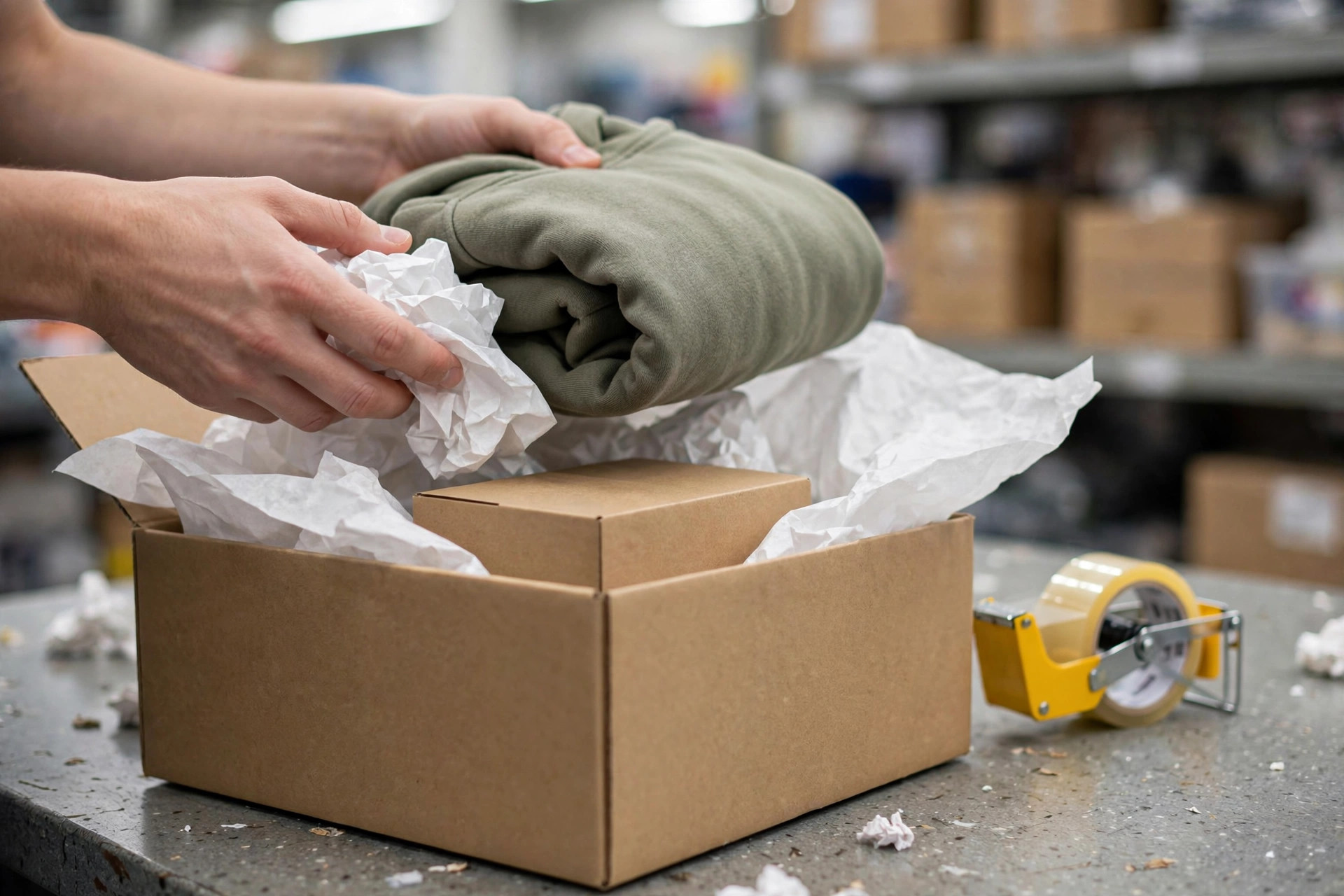
A mid-size US sporting-goods brand — 120 stores plus 2 e-commerce DCs — ran a 12% online stockout rate while stores sat on piles of slow-moving inventory. An OMS "one inventory" transformation followed: first, real-time store POS inventory sync (every 15 minutes); second, ship-from-store, with online orders fulfilled preferentially from stores within 50 km; third, BOPIS with a 2-hour ready promise. Six months later: online stockout rate down to 3%, store inventory turns up 25%, average delivery time cut from 4.2 to 2.1 days. The surprise: 38% of BOPIS customers made additional purchases when collecting — a fulfillment model became a traffic source.
Pitfalls to Avoid
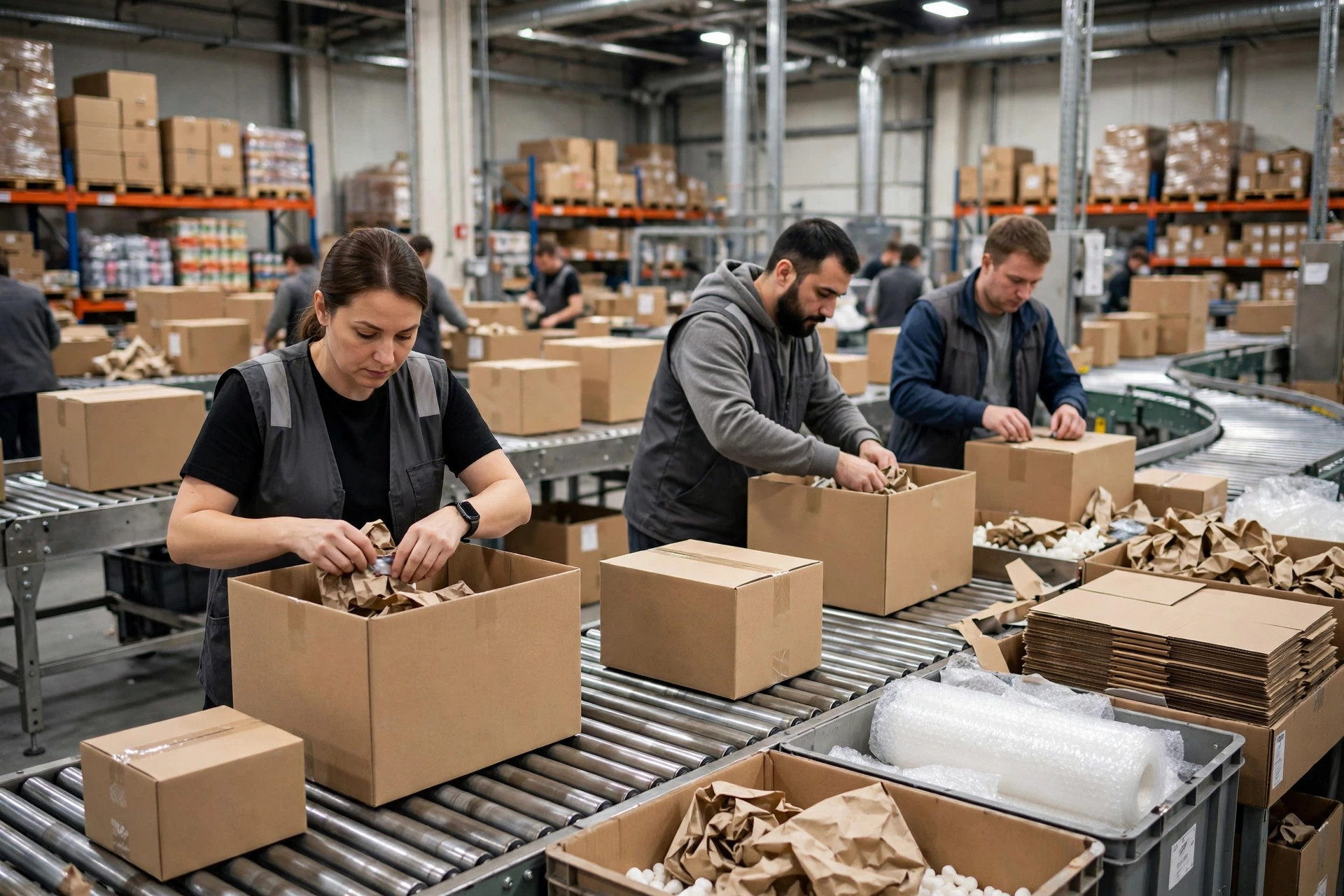
- A store is not a mini-warehouse: asking stores to pick and ship means giving them simple picking tools and a dedicated packing area — otherwise staff resist and accuracy suffers.
- Fix inventory accuracy first: store inventory accuracy typically runs 85–90%; exposing that directly as omnichannel sellable stock invites oversell complaints. Cycle-count stores up to 95% before launch.
- Don't ignore reverse logistics: omnichannel returns can land at any store. Design return receiving and resale flows in the OMS upfront, or returns become a black hole.
Conclusion
Omnichannel fulfillment = one inventory pool (foundation) + OMS routing (brain) + three fulfillment models (hands and feet). Technically, no insurmountable barriers exist — the real barrier is organizational: will e-commerce and store teams share inventory and share KPIs? Systems can integrate data; they can't integrate org charts — a line for every executive driving omnichannel.