
The Setup: The Busiest Goods Live Farthest Away
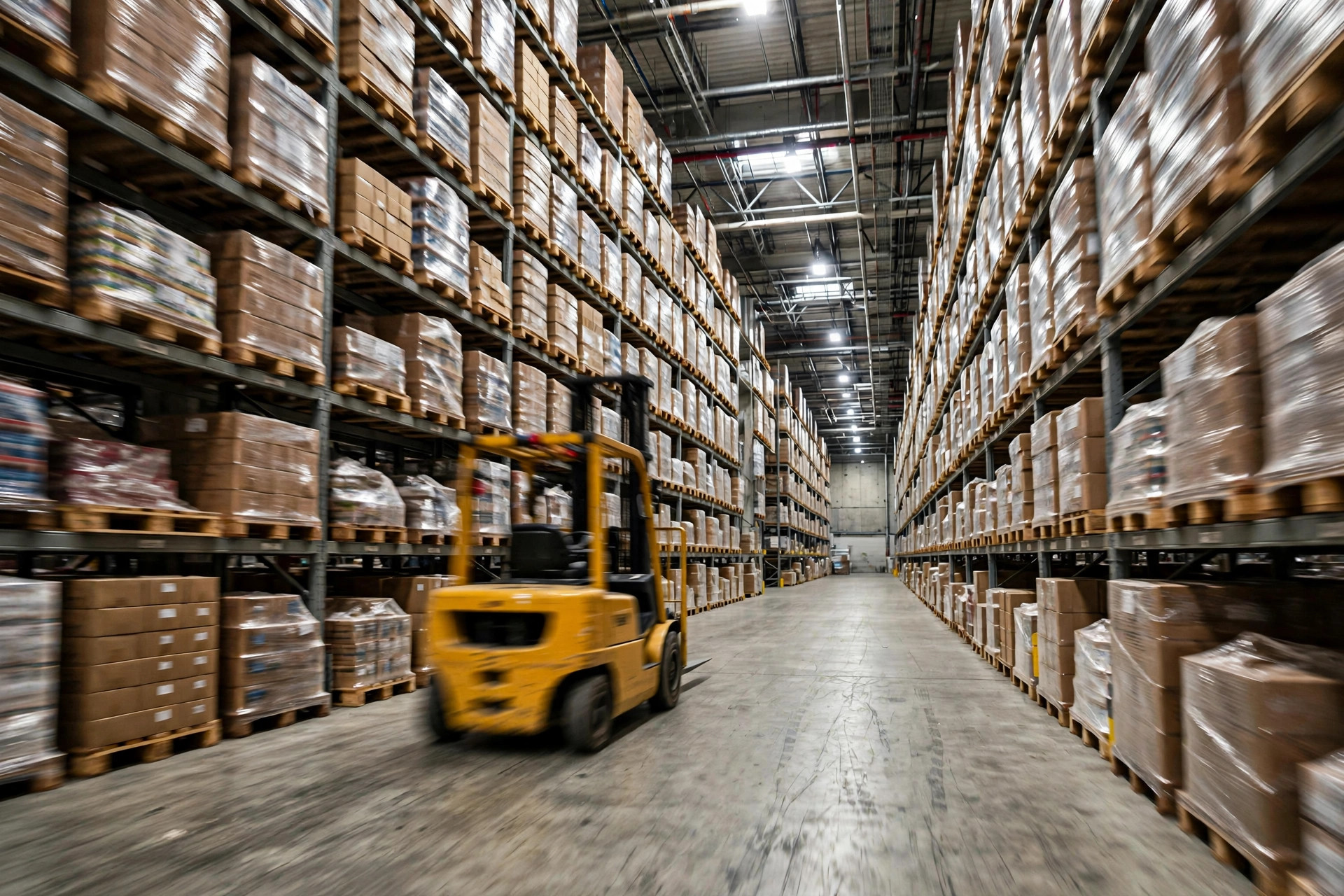
A 3C accessories warehouse asked me for a diagnosis. I pulled three months of outbound data, walked the floor with the layout in hand, and found something absurd: of the top 50 SKUs by shipments, 31 lived in the deepest part of the building — bestsellers picked dozens of times daily required a 2-minute walk to reach, while dead stock that barely moved all year sat comfortably 10 meters from shipping.
This isn't an exception — it's the norm in warehouses without ABC classification: slots assigned by "wherever there's space," velocity data sleeping in the system.
The Logic: Tier SKUs by Outbound Frequency
ABC thinking is simple: rank SKUs by outbound contribution and seat the warehouse like a classroom ordered by usage frequency.
The standard cut (using 3–6 months of outbound lines or units):
| Class | Share of SKUs | Share of Outbound | Slot Strategy | |---|---|---|---| | A | ~20% | ~80% | Golden slots: nearest pick/ship, waist height | | B | ~30% | ~15% | Second-best: main-aisle sides, mid levels | | C | ~50% | ~5% | Edge slots: deep zones, high levels, mezzanine |
Note: 20/80 is a rule of thumb, not gospel — some operations run 15/85, others 30/70. Plot your own cumulative curve and find the real inflection points instead of forcing textbook numbers.
The Four-Step Method: From Data to Slot Map
Step 1: Pull Data, Rank SKUs
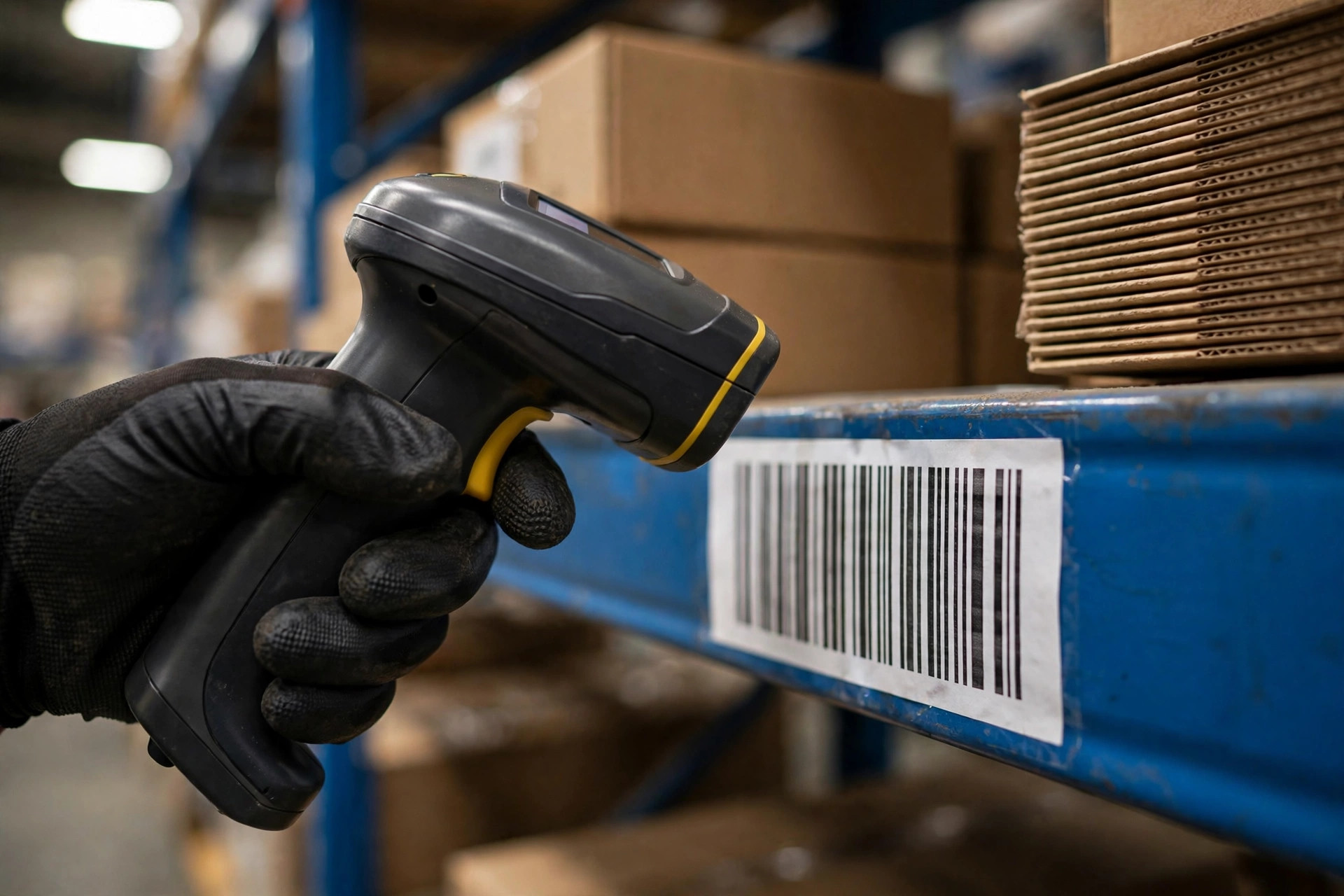
Export per-SKU outbound lines for 3–6 months from the WMS (for e-commerce, "lines" beats "units" because lines = picks = labor cost). Sort descending, compute cumulative share, draw the A/B/C lines.
Step 2: Heat-Map the Building, Grade Every Slot
Score the floor plan by "distance to shipping + working height": slots near shipping at levels 1–2 (waist-to-shoulder height) are S-grade; deep, high slots are C-grade. Cross-match slot grades with SKU classes: A SKUs to S slots, C SKUs to C slots.
Step 3: Plan the Move, Execute in Waves
Don't try to move everything in one day. "A-items first": relocate the top 100 SKUs, verify results, then roll out to all A items. Schedule moves in off-season or night shifts — move it, update the system, swap the label, all three in sync, or inventory accuracy dies.
Step 4: Build the Review Habit — ABC Is Never Done
Velocity is alive: winners fade, new products rise. Re-run ABC quarterly; demote fallen A-items, promote rising ones. Write the re-run into the SOP with a named owner.
Beyond ABC: Two Extra Dimensions
Pure volume-based classification has a blind spot: big, heavy A-items in golden slots mean pickers hauling weight over distance every time. Layer in two more dimensions:
- Cube and weight: heavy or bulky fast movers belong on low levels near aisles, not merely "closest to the door."
- Affinity: SKUs frequently ordered together (the classic beer-and-diapers pairing) belong in adjacent slots so one walk completes two picks. Use market-basket analysis on orders to find these pairings.
Case Study: Baby-Products E-Commerce — Pick Productivity +34%
A baby-products e-commerce warehouse: 8,000 SKUs, 4,000 orders/day. Before ABC: pickers walked 10.5 km daily at 180 lines/hour each.
We ran the four steps: re-ran ABC (true A-class was only 12% of SKUs yet drove 82% of outbound lines), moved all 960 of them into S-grade slots within 50 m of shipping, and used affinity analysis to co-locate 40 pairings like "formula + diapers."
Two months later: daily walking down to 6.9 km, pick rate up to 241 lines/hour (+34%), and the first peak season ever with on-time cut-off and zero overtime. The investment was two weeks of night-shift moves — no new equipment.
Pitfalls: Five ABC Traps
- Using inbound instead of outbound data: big purchase lots ≠ strong sales. ABC must run on outbound data — the most common mistake.
- B-items squatting in A slots: B goods borrow A slots at peak and never leave. Moving is easy; enforcing is hard — audit slot compliance.
- Ignoring replenishment cost: A slots turn fast and need frequent replenishment. If replenishment paths are poor, pick-time savings get spent on restocking. Optimize replenishment slots in parallel.
- Abandoning C-items on high levels: ~5% of C-class are "zombie SKUs" that never move. Clear them regularly (promote, return to vendor, scrap) — high-level slots cost money too.
- Classifying once and forgetting: a classification that isn't refreshed is decoration. Velocity changes monthly; update at least quarterly.
Takeaway
ABC slotting is about submitting slot assignment to the first principle of usage frequency. Data → classify → match → move → review: five steps in a closed loop. Remember: there are no good or bad slots, only correctly and incorrectly stocked ones. Put the busiest goods closest, and the efficiency gain is mathematical certainty.
Warehousing with Mr. Mi · 20 years of US warehousing solutions