What Truck Drivers Hate Most
Ask ten truck drivers what they hate most, and eight will say "waiting on freight." In the traditional live-load model, a driver arrives at the warehouse, waits 3 hours to unload and 2 to load — spending less than half the day actually rolling. Drivers earn per turn, so waiting is lost income; fleet owners lose too, with tractor-plus-driver daily costs fixed and turns per day capped.
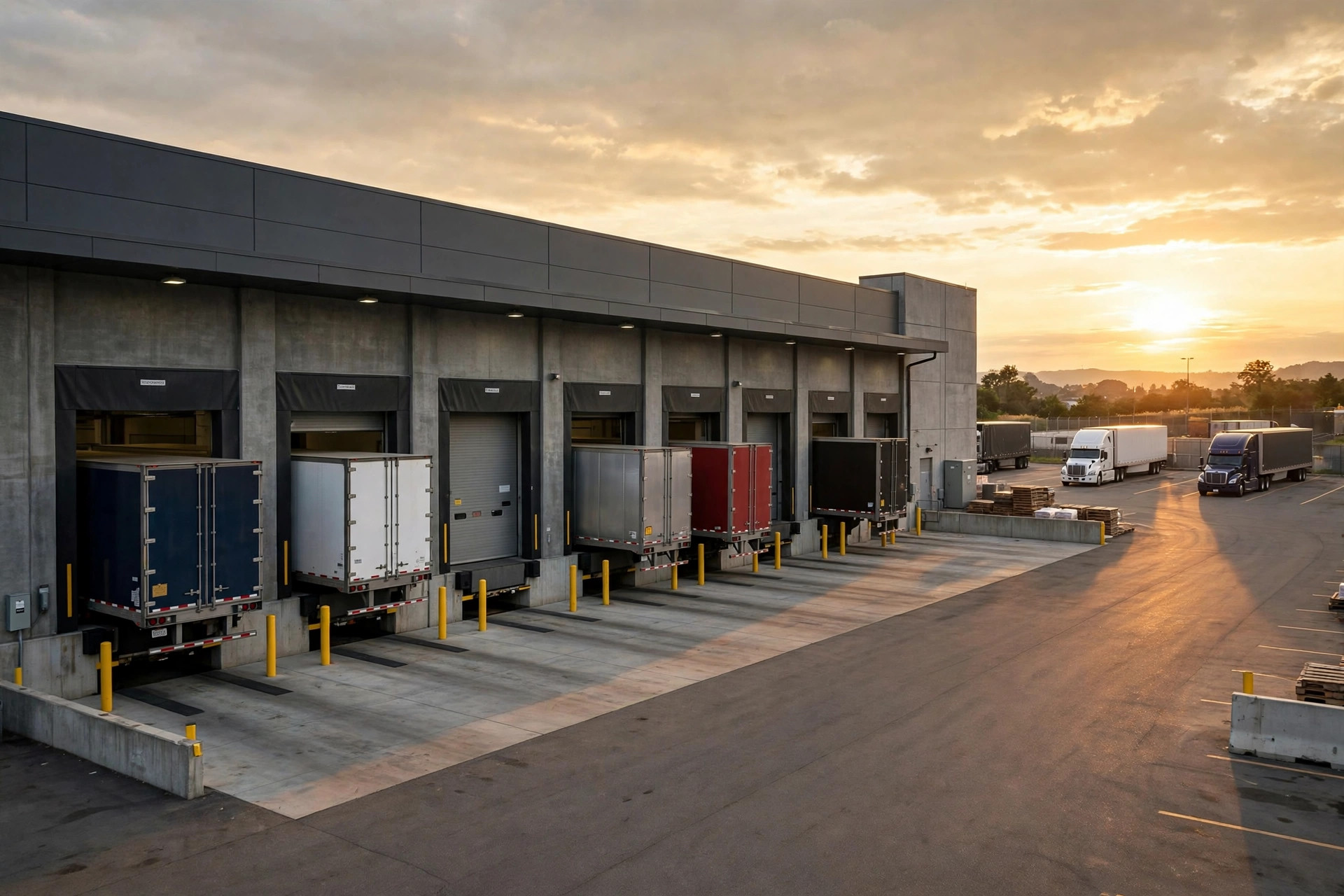
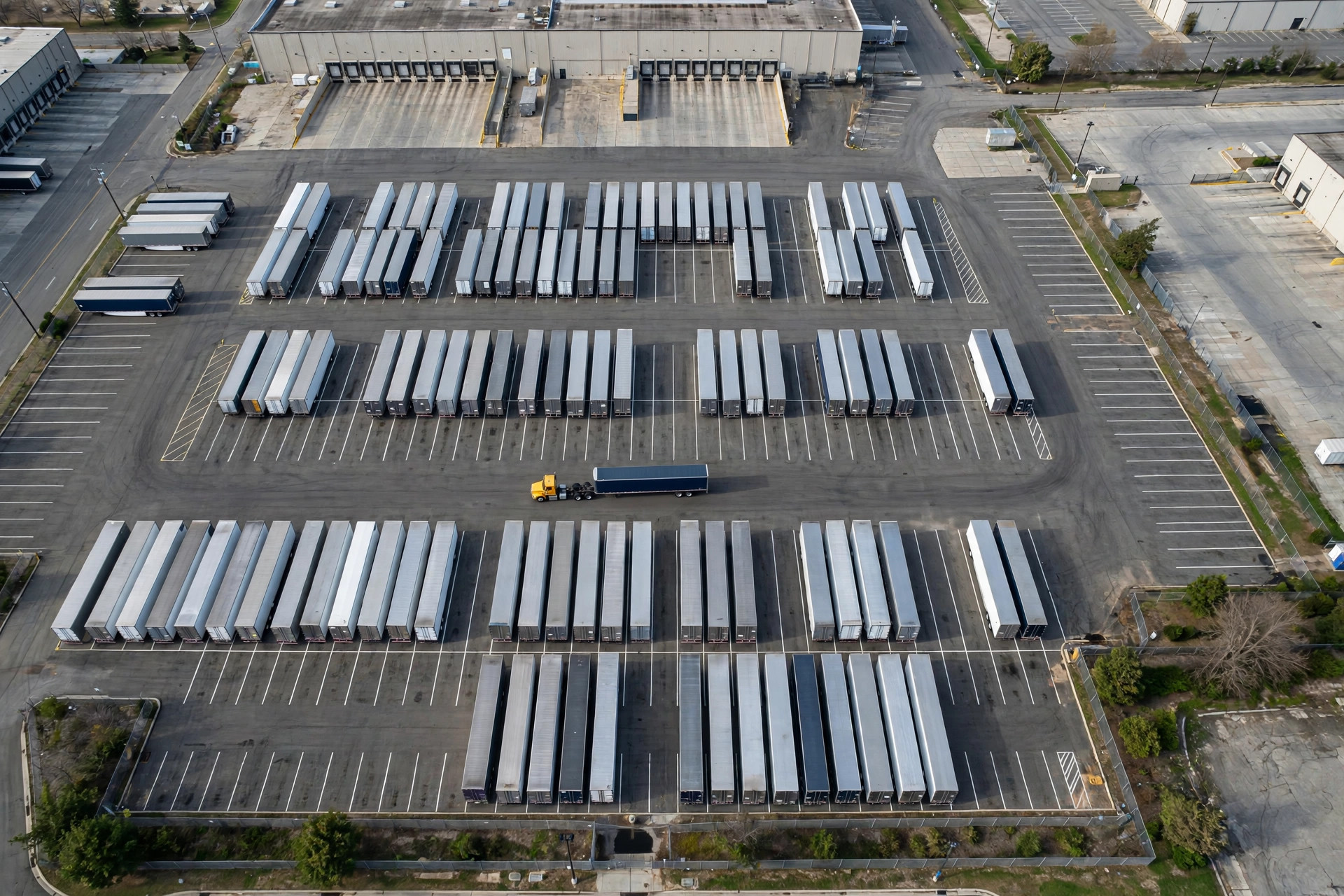
Drop-and-hook exists to kill this waste: the tractor drops a loaded trailer in the yard, hooks a pre-loaded empty, and leaves — dwell time collapsing from hours to ~20 minutes. The price of doubled efficiency: trailer counts in the yard explode and management complexity goes exponential. That's exactly the YMS's home turf.
Four Drop-Trailer Models
| Model | Pattern | Best For | |---|---|---| | Intra-yard drop | Tractors drop within the private yard, spotters assist | Large DCs with high daily throughput | | Linehaul drop | Two points run against each other, swapping trailers mid-route | Fixed lanes with stable volume | | Network circulation | Trailers circulate across multiple nodes | Regional networks, multi-DC coordination | | Outsourced drop | Third-party fleet provides drop service | Volatile volume, no appetite for owning tractors |
Five Key YMS Moves in Drop Operations
1. Trailer Profiling: One File Per Trailer
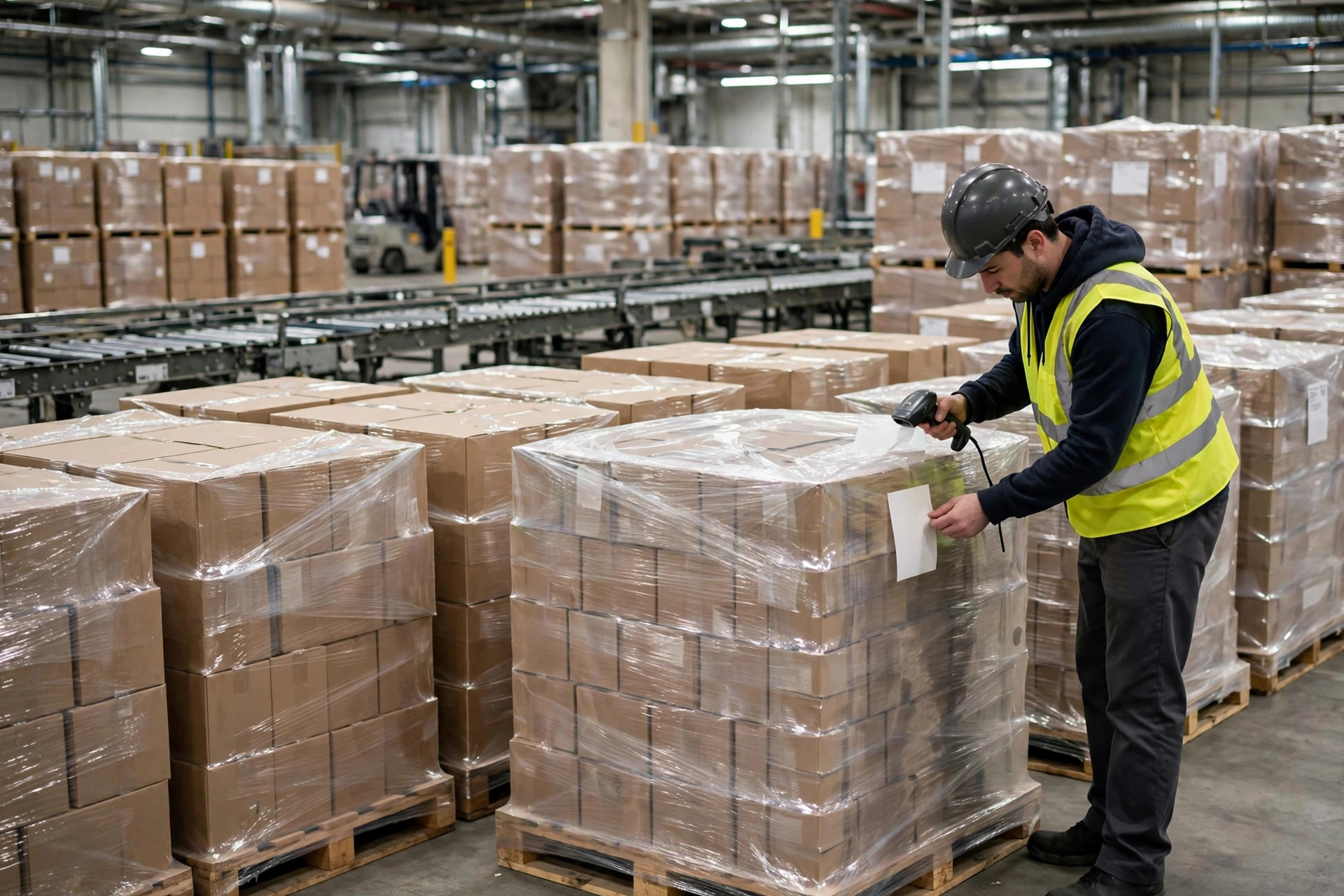
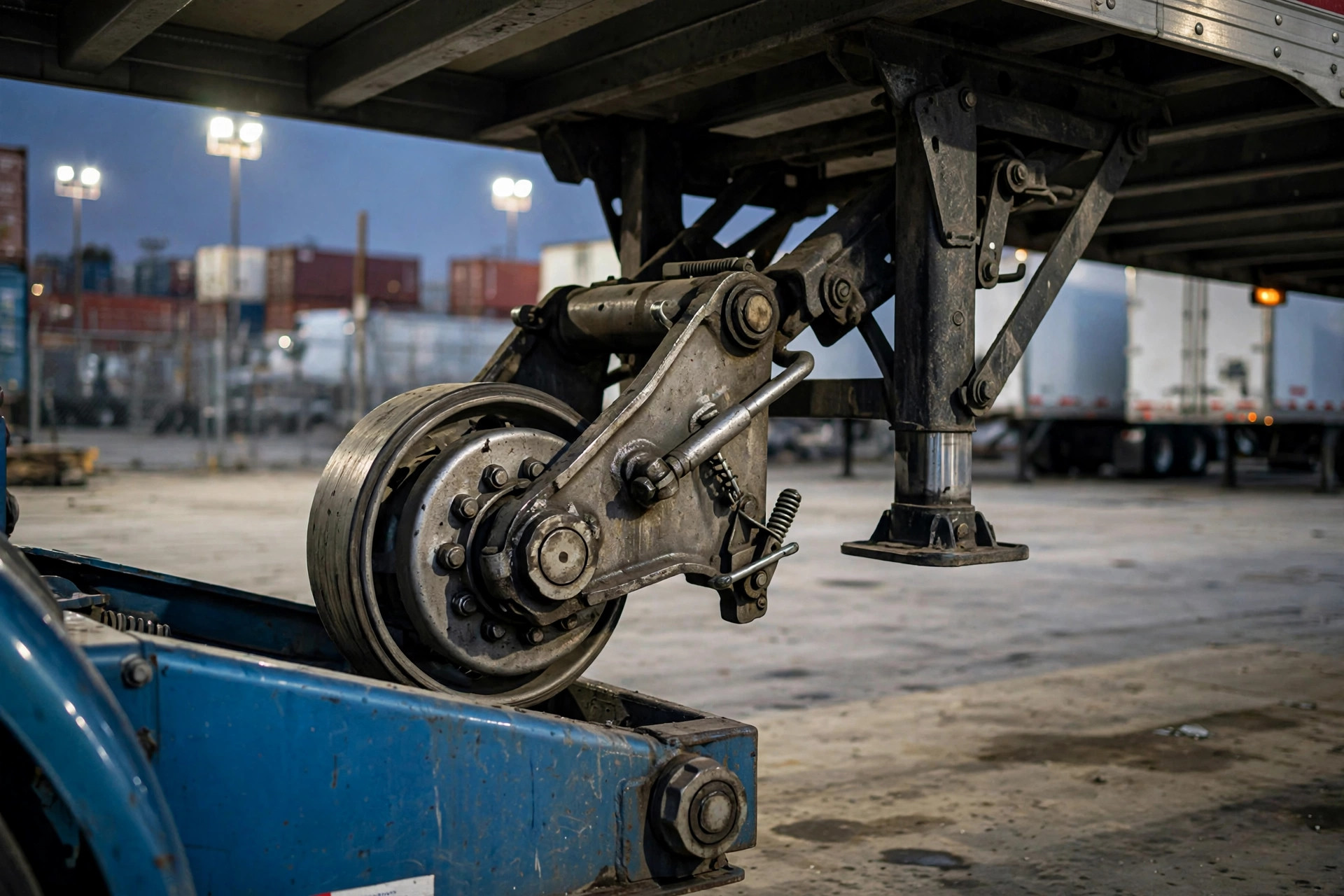
Every trailer gets a unique identity in the YMS: unit number, capacity, status (awaiting load / awaiting unload / empty / in maintenance), current position, contents. Without this file, drop-and-hook means "dropped and lost."
2. Task Dispatch: Which to Drop, Which to Hook
The YMS auto-dispatches spotter drivers from the load/unload plan: "Pull trailer A-123 from dock 5 to the outbound staging area; spot empty B-456 at dock 8 for loading." Drivers take jobs on phone/PDA and scan to confirm completion. People stop hunting for tasks; tasks find people.
3. Status Flow: The Trailer Lifecycle
Awaiting load → loading → ready to dispatch → dispatched → in transit → arrived → awaiting unload → unloading → empty-ready. Every transition gets logged in the YMS, with auto-alerts on dwell overruns (e.g., "awaiting load" untouched for 4 hours pings dispatch).
4. Spot Management: Parking Is a Resource Too
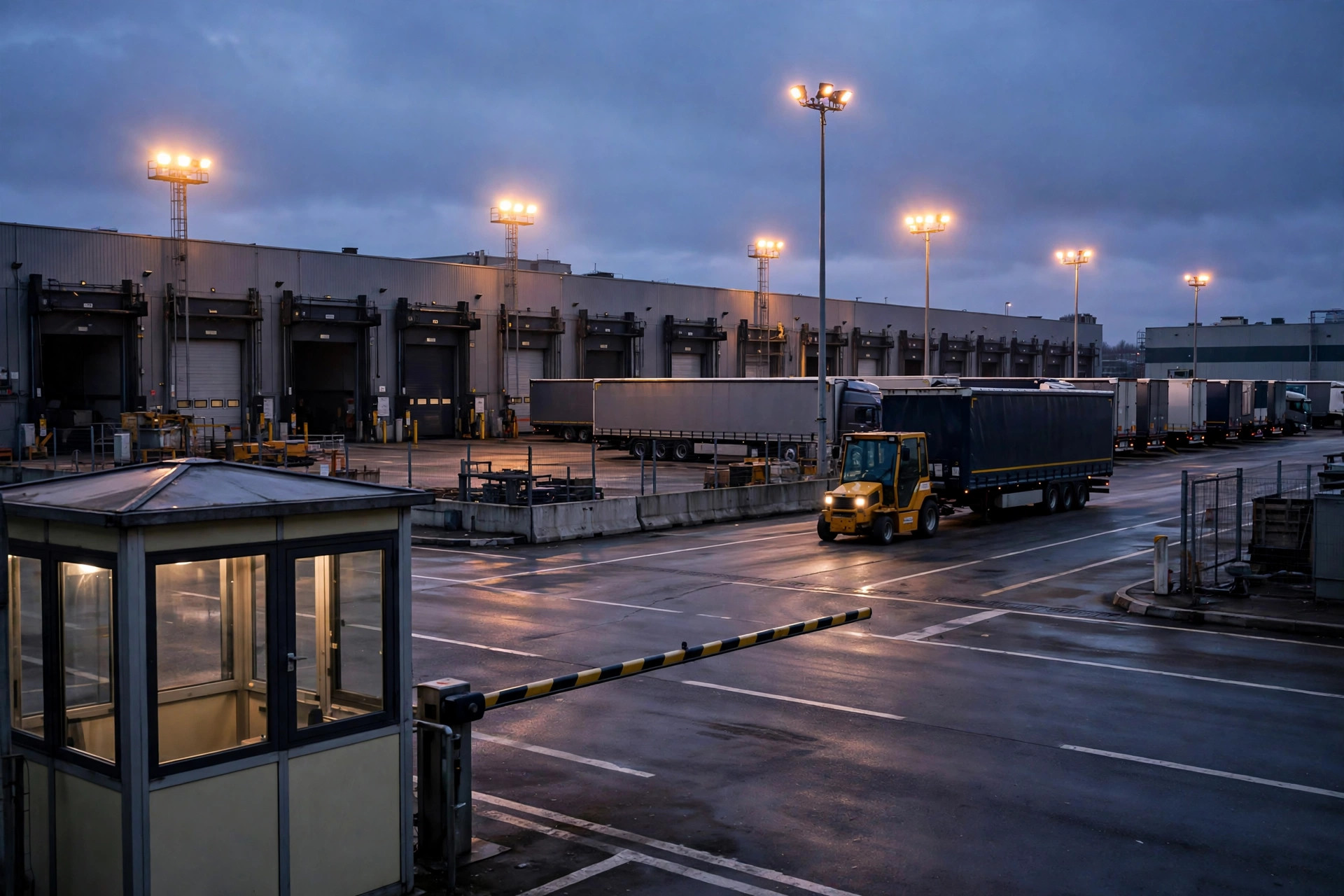
Yard spots get numbered and zoned (loading zone, dispatch staging, maintenance, empty pool); the YMS auto-assigns spots per task. Without spot management, a drop yard becomes a parking lot in three days — everything parked solid, spotters unable to maneuver.
5. WMS/TMS Integration: No Data Gaps
The WMS tells the YMS "dock 8 is loaded, ready to pull"; the TMS tells the YMS "linehaul tractor arrives in 2 hours, stage the outbound trailer." All three systems converge in the YMS, so every drop move has an upstream instruction and a downstream destination.
The Financial Model: Where the Extra Trailer Money Comes Back From
Finance's favorite challenge to drop-and-hook: "We'd buy 1.5× the trailers — is it worth it?" Run the numbers:
| Item | Live-Load | Drop-and-Hook | |---|---|---| | Tractor turns per day | 1.2 | 2.5 | | Driver waiting per day | 4 hours | 0.5 hours | | Trailer count (10 tractors) | 12 | 28 | | Annual trailer cost (depreciation + maintenance) | ~$12K/unit | same |
For a 10-tractor fleet: 16 extra trailers cost ~$190K/year more; but turns rise from 1.2 to 2.5 — effectively doubling capacity. Either buy 5 fewer tractors (saving ~$750K/year in equipment + labor) or haul twice the freight. Both math paths favor drop. The one exception: wildly unstable volume — if trailers sit idle over 40% of the time, the model breaks.
Next: Drop-and-Hook Plus Autonomous Spotters
The endgame of drop-and-hook is unmanned yard spotting: autonomous spotters running 24/7 on YMS instructions, no shifts, no driver hunt. The two blockers to scale today are yard right-of-way (needs a closed or semi-closed yard) and per-unit cost. But the direction is clear — the YMS is the autonomous spotter's brain; dispatch, tasking, and spot management already exist. Get YMS and drop processes humming first, and autonomy follows naturally. Leading operators already run fully unmanned spotting in closed campuses, cutting spotting cost 40%+.
Case Study: A CPG Company's Circulating Drop Network
A consumer-packaged-goods company ran 1 central DC + 4 regional DCs in the US West, with 60+ trailers circulating daily. Before YMS: 3–5 "lost trailer" incidents a month; regional DCs regularly had freight but no trailers. After: GPS + electronic locks on every trailer streaming position; the YMS auto-generating drop tasks from each DC's demand plan; a trailer pool at the central DC dynamically rebalancing surplus units. Six months later: trailer turns up 40%, "freight but no trailer" eliminated, linehaul tractor utilization up from 55% to 85%. Same fleet size, 50% more capacity.
Pitfalls to Avoid
- Size the trailer fleet correctly: drop operations typically need 2.5–3× as many trailers as tractors. Short on trailers, the model never starts — the most common launch failure.
- Don't skimp on spotters: yard spotting is drop-and-hook's "last mile." Understaffed spotting clogs docks anyway. Budget roughly 1 spotter + 1 yard tractor per 15–20 trailers.
- Pilot one lane first: don't flip the whole network at once. Run the most stable-volume lane for 2 months, iron out processes and YMS configuration, then replicate.
Conclusion
Drop-and-hook trades "trailer redundancy" for "tractor efficiency"; the YMS trades "information transparency" for "yard order." They're a natural pair: drop without YMS is acceleration without control; YMS without drop is a hero with no stage. When your tractors burn 2+ hours a day waiting on freight, it's time to seriously consider the drop-plus-YMS combination.