The Chaos at the Gate Is Costing You Every Day
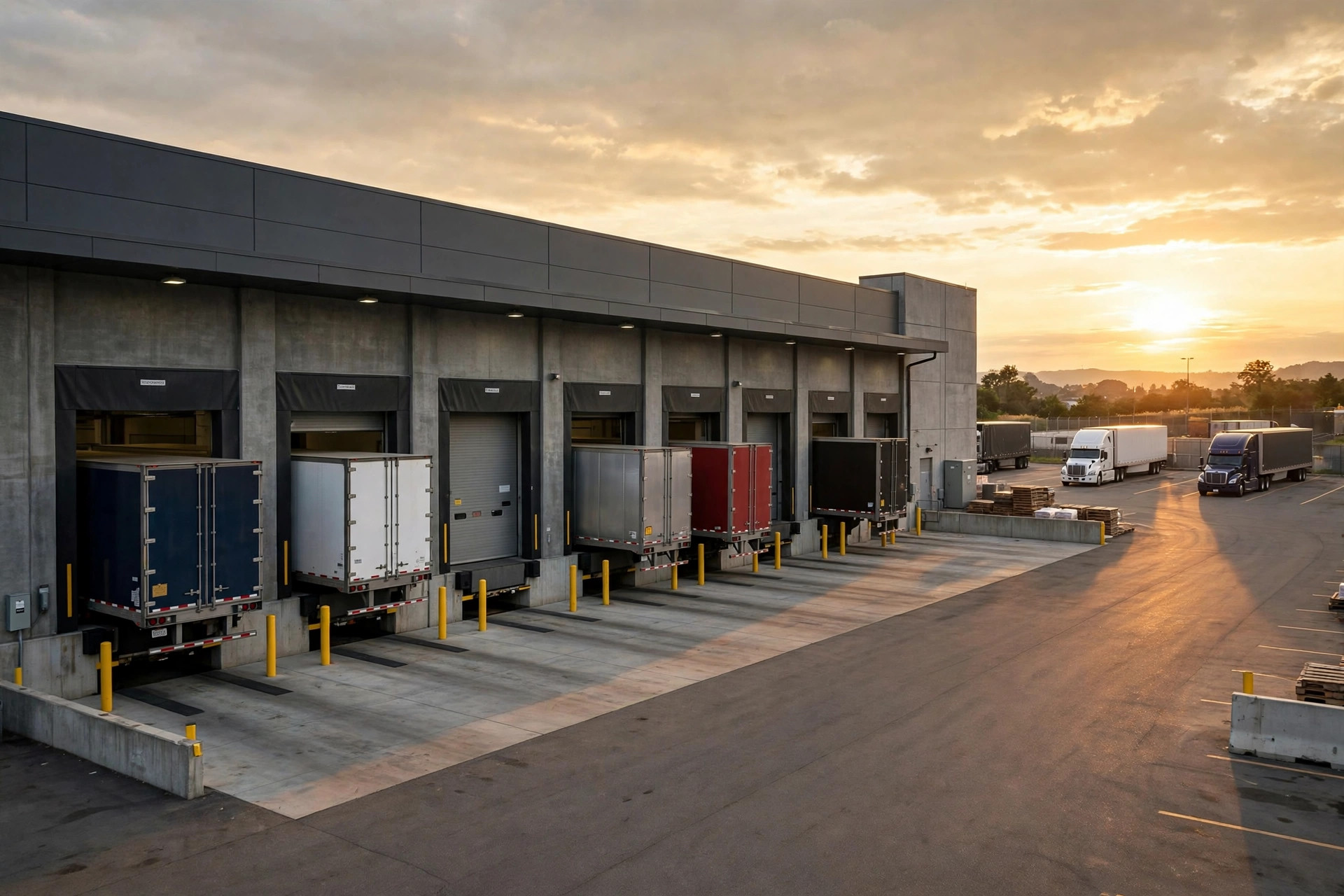
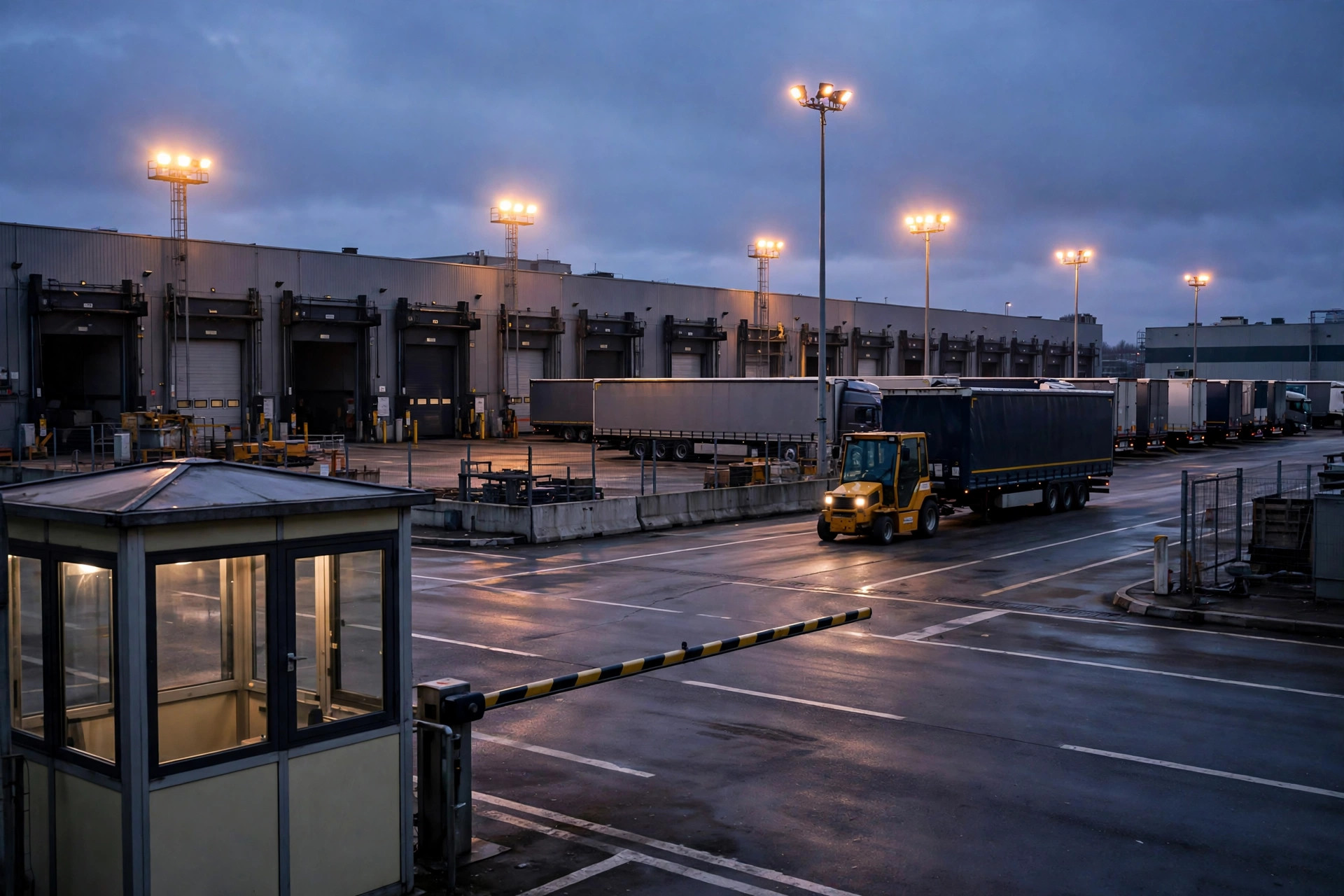
Morning rush: 8 trucks queued at the gate, drivers scrolling phones in their cabs; 30 trailers in the yard, and finding one takes 40 minutes; at the docks, the 9 AM appointment shows up at 11 while the 11 AM shows up at 9 — nobody knows.
That chaos costs real money: detention fees of $50–$100 per truck per hour past free time; a lost trailer idling a production line waiting on materials; dock conflicts wrecking the receiving plan. The yard outside the warehouse gate is the blind spot on most companies' digitalization maps — and the YMS (Yard Management System) is the light that illuminates it.
What a YMS Manages: Three Objects
1. Tractors and Trucks: Gate-to-Gate Lifecycle
Every vehicle entering the yard becomes a lifecycle record in the YMS: appointment → check-in → waiting/working in the yard → check-out. The guard shack drops the radio and paper log; license-plate recognition auto-registers arrivals, and drivers get a queue number plus estimated call time on their phones. Every minute a vehicle spends in the yard is traceable.
2. Trailers: Visualizing Yard Assets
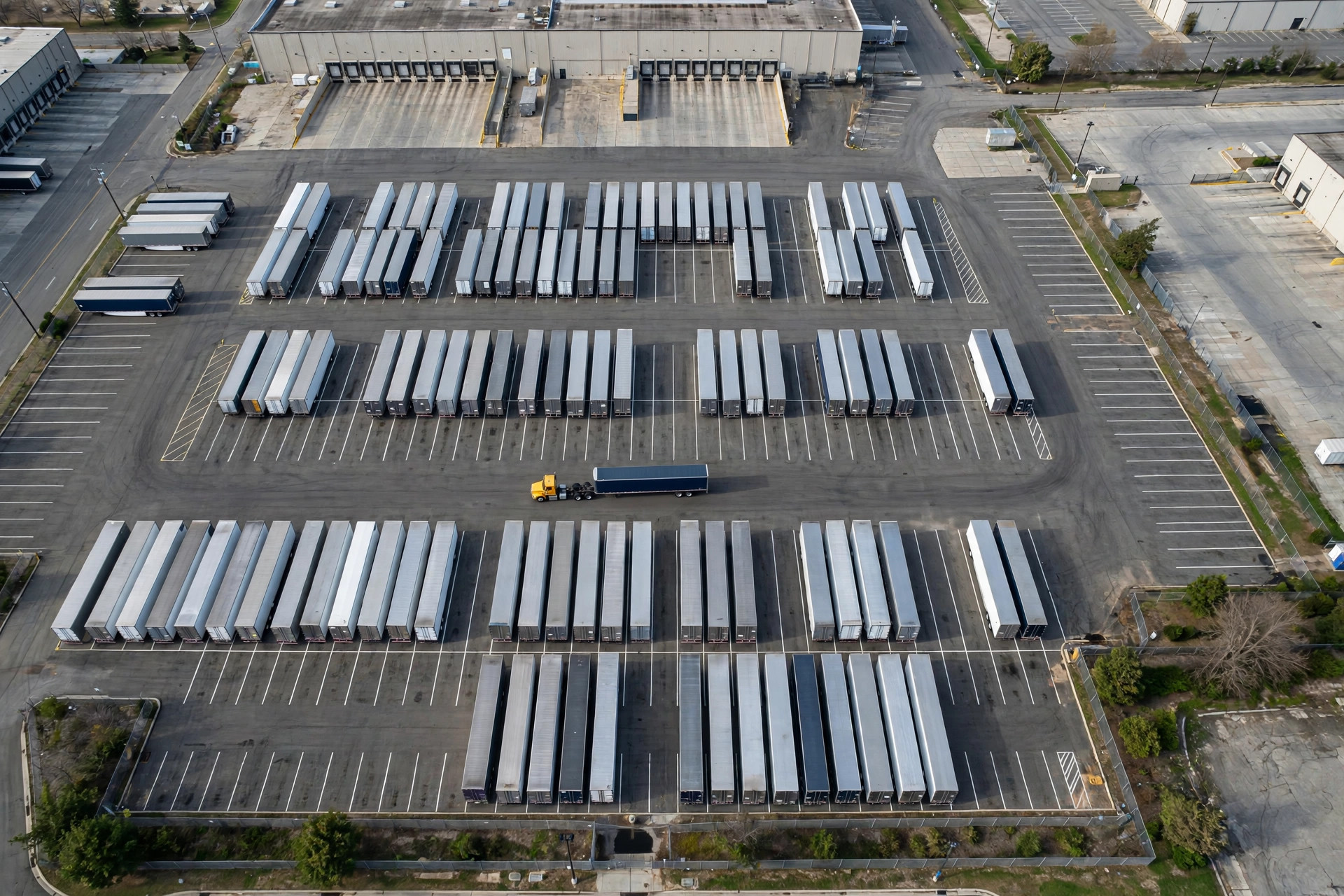
Trailers are the yard's most expensive "invisible assets": a 500,000 sq ft distribution center typically parks 100–200 trailers. The YMS profiles each one: location (which spot), status (empty/loaded/in maintenance), contents, dwell time. Finding a trailer goes from "drive around the yard" to "glance at a screen." Data shows YMS implementations cut trailer search time by ~70% on average.
3. Dock Doors: The Appointment and Scheduling Hub
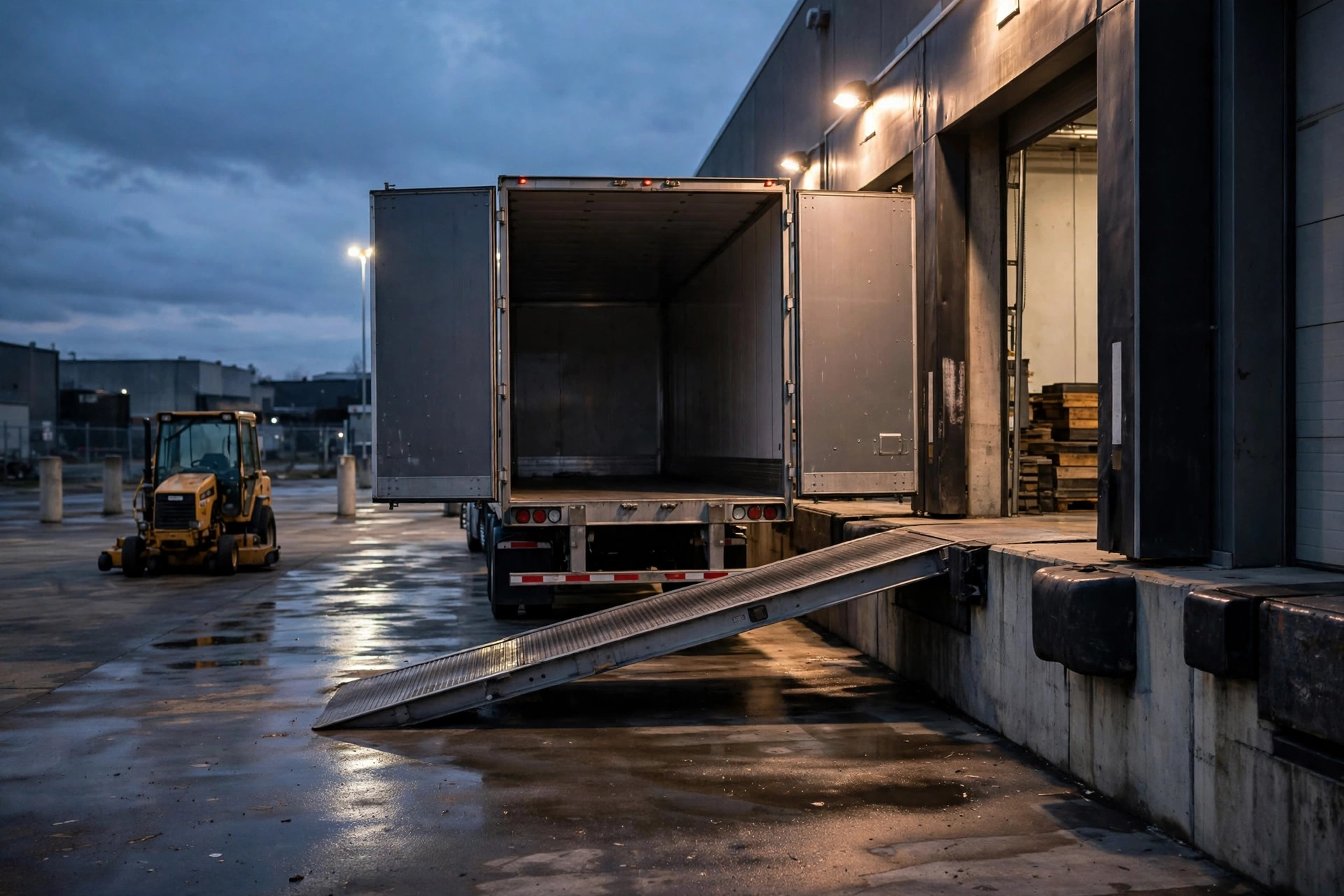
Docks are the warehouse's throat. The YMS dock-appointment module lets carriers book time slots in advance, auto-scheduling against receiving capacity — no more 10 trucks arriving at once followed by a dead afternoon. Dock utilization, on-time arrival rate, and average wait time: three metrics that give yard management data for the first time.
Where the YMS Sits in the Systems Map
| System | Domain | One-Line Role | |---|---|---| | WMS | Inside the warehouse | Where goods are, how they're picked | | TMS | Linehaul transportation | How trucks move on the road | | YMS | Gate and yard | Whether trucks enter, where they park, when they hit the dock |
The data flow: TMS tells YMS "when the truck arrives," YMS tells WMS "when freight hits receiving," WMS tells YMS "this trailer can leave." The YMS is the glue between WMS and TMS — without it, data from both systems goes dark at the warehouse gate.
YMS Selection: Six Questions to Ask Vendors
When evaluating a YMS, skip the slide deck and ask these six questions — the answers filter out 80% of bad fits:
- How does your YMS integrate with our WMS/TMS? Are there production-ready standard interfaces, or is every project custom development?
- What locates the trailers? GPS, Bluetooth beacons, or manual reporting? What's the accuracy of each, and how do indoor-deployment costs compare?
- What does the carrier appointment portal look like? Can I see a real customer's interface right now — not the demo environment?
- What happens when the network drops? Yard Wi-Fi dead zones are the norm. Can PDAs keep working offline without losing data?
- Implementation timeline and reference customers? Who are your customers at our scale — and can I visit one?
- How is it priced? Per dock door, per vehicle, or flat fee? Is the year-two increase written into the contract?
After these six, there's nowhere for sales gloss to hide.
The Three-Phase YMS Rollout: Don't Go Big Bang
Roll out the YMS in three phases, 1–2 months each:
- Phase 1: Vehicle visibility (digitize the gate) — plate recognition + appointment check-in answers "when did trucks arrive, how long did they wait?" Smallest investment, fastest payoff; visible numbers build confidence for what follows.
- Phase 2: Trailer visibility — trailer profiles + spot management answer "where are the trailers?" This phase needs yard-wide wireless coverage and PDAs; hardware is the big spend.
- Phase 3: Intelligent scheduling — dock appointments + auto-scheduling + dashboards answer "when do they hit the dock?" This phase requires negotiating appointment discipline with carriers — the heaviest organizational lift, so it goes last.
Small steps, each with a payoff — the highest-success-rate playbook for YMS. Big-bang attempts usually finish none of it.
Case Study: Yard Transformation at a Food Distribution Center
A Texas food distribution center averaged 120 vehicle moves a day across 150 trailer spots. Before YMS: drivers waited 3.2 hours on average, 5–8 dock conflicts daily, ~$40K/month in detention fees. After YMS: carriers booked 48 hours ahead with auto-staggered scheduling; trailer positions visible in real time — no more radio calls hunting trailers. Three months later: average wait down to 1.1 hours, dock conflicts under one per week, detention fees down 65%. Payback in 8 months.
Pitfalls to Avoid
- Don't reduce YMS to a "fancy guard shack": vehicle check-in without trailer management and dock scheduling captures only ~30% of the value.
- Carrier cooperation is critical: appointment discipline requires carriers to book ahead; score no-shows. Hold an alignment meeting with core carriers before rollout.
- Get the hardware right the first time: license-plate recognition, yard-wide Wi-Fi, and driver self-service kiosks are all non-negotiable. Without the hardware, the best software can't run.
Conclusion
The YMS answers three questions: where are the trucks, where are the trailers, when is a dock free? When your warehouse sees 30+ vehicle moves a day and 30+ trailers in the yard, it's time. Warehouse digitalization can't stop at the gate — the yard outside deserves a pair of eyes too.