The Problem: $0.10 Cheaper per Square Foot, $500,000 More Expensive
A 3PL signed an 80,000 sq ft warehouse in Southern California at $1.25/sq ft/month — $0.10 cheaper than next door. The owner thought he'd found a bargain. Month 4 brought the first NNN (taxes + insurance + common-area maintenance) bill: $4.80/sq ft/year — an extra $380,000 a year. Month 8, wanting to give back 20,000 sq ft of idle space, he discovered the lease had no contraction clause — the penalty was 50% of the remaining term's rent. Over the 5-year term, the "cheap" building cost $500,000+ more than the neighbor.
Ninety percent of leasing traps aren't in the rent figure — they're in the clauses. Fifteen questions below, organized as money, rights, and responsibilities. Ask every one before signing, and get every answer into the lease.
The Method: 15 Questions Before Signing
Category 1: Money (6 questions) — know the true cost
| # | Question | Why it matters | Negotiation target | |---|---|---|---| | 1 | What's the annual rent escalation? | 3% vs. 4% compounds to a 7% total-rent gap over 5 years | Push to 2.5–3%; first 2 years flat | | 2 | What's NNN today, and its 3-year trend? | NNN is the "second rent" — uncapped upside | Get 3 years of bills; cap annual increases (e.g., 5%) | | 3 | How many months of free rent? | Free rent cushions buildout and move | 1–3 months, tied to the construction period | | 4 | Security deposit terms? | Deposits tie up cash; returns invite disputes | ≤ 2 months; return conditions in writing | | 5 | Early termination / contraction rights? | A lifeline when business shrinks | 12-month notice + 3–6 months' rent as penalty | | 6 | Renewal options — how priced? | No renewal right means the landlord names the price at expiry | One 3–5 year option with capped escalation |
True-cost formula: average monthly true cost = (monthly rent × 12 × term years × escalation factor + total NNN − free-rent value) ÷ total months. Run three buildings through this formula and "lowest headline rent" is rarely "lowest total cost."
Category 2: Rights (5 questions) — make sure the building works your way
- Is the permitted use in the lease? The "Permitted Use" clause decides what you may do. E-commerce fulfillment, cold storage, light assembly — each must be named explicitly. A lease that just says "warehousing" may not cover your sortation line with fire marshals or insurers.
- Can you sublease? 3PL economics often require subletting idle space to small clients. Many leases ban subleasing by default or require landlord consent (which can be slow-walked). Get "consent not to be unreasonably withheld" in writing.
- Signage and façade modification rights? 3PLs need client signage at the dock and dedicated staging areas — confirm upfront. Industrial park CC&Rs can be stricter than the landlord; ask both sides.
- Expansion priority? When business grows and the adjacent unit opens, do you get first refusal? Nice to have, but only real if it's a clause.
- Can the landlord sell the building mid-term? Industrial assets trade frequently; a new owner can raise NNN or change management rules. Add a clause: ownership changes don't alter existing lease terms.
Category 3: Responsibilities (4 questions) — who pays when things break
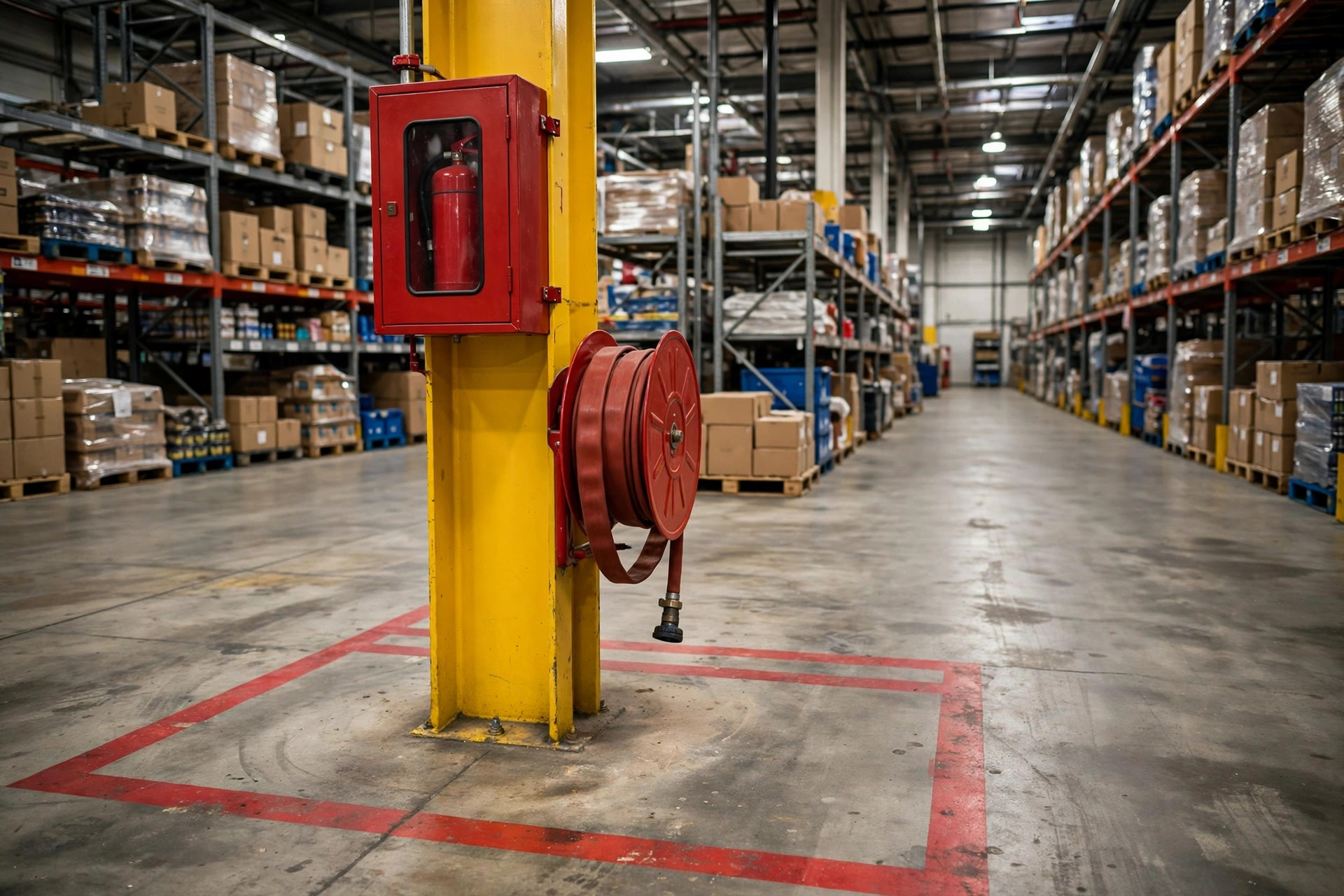
- Who maintains the fire system? Sprinklers, alarms, extinguishers — who pays for routine maintenance vs. inspections? Many leases say "tenant handles day-to-day," but one major sprinkler overhaul can run tens of thousands. Define the line in the lease (e.g., any single repair over $5,000 = capital, landlord's account).
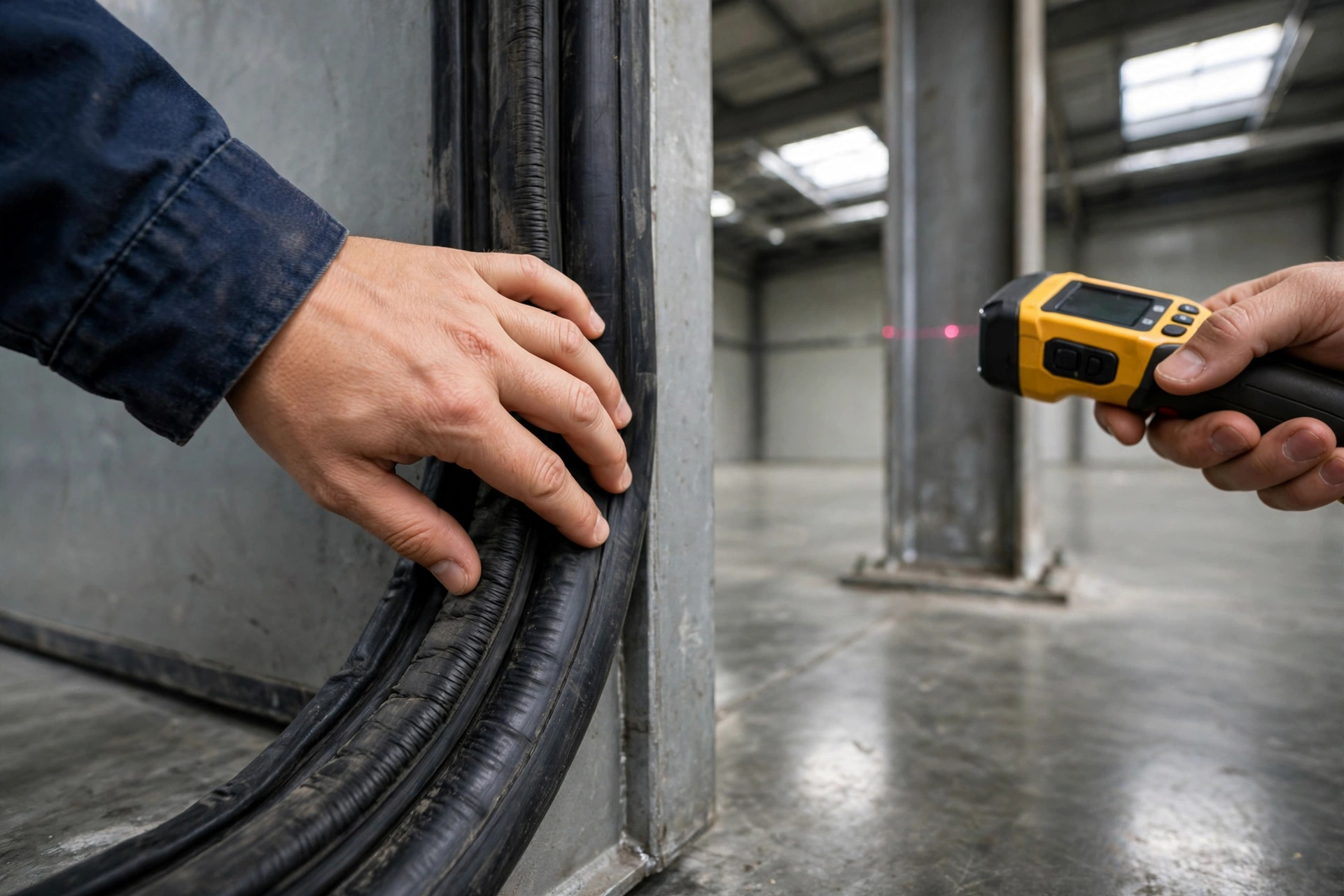
- Who repairs roof and structure? Leaks are the most common dispute. Principle: roof, walls, foundation = landlord; tenant-caused damage = tenant. But proving "tenant-caused" gets litigious — commission a third-party move-in inspection report (with photos), signed by both sides. It's your best evidence later.
- Environmental history — Phase I/II done? If the site was once a chemical plant or gas station, soil liability can be astronomical. Require the landlord's Phase I environmental report before signing; order a Phase II if anything looks off. This legal fee is the best-spent money in the whole transaction.
- What insurance is required? Landlords typically demand commercial general liability (CGL), often $2–5 million in coverage. Ask the limits and endorsements (is the landlord an additional insured?) upfront, and get broker quotes early — tens of thousands a year that belongs in the true-cost math.
Field Case: $600,000 Saved by 15 Questions
Background: a cross-border e-commerce company leasing 100,000 sq ft on the US East Coast. Two proposals: Building A at $1.35/sq ft/month, Building B at $1.48. Instinct said A.
The 15 questions told another story: A's NNN was $5.20/sq ft/year rising 9% annually for 3 years; B's was $3.80 with a 5% cap. A had no contraction right; B allowed 30% contraction after month 24. A put major fire-system repairs on the tenant; B kept them with the landlord. A's permitted use said only "warehousing"; B explicitly covered "fulfillment, labeling, light assembly."
Five-year total cost: A ran $620,000 more than B. They signed B. Three days of questions, worth $620,000.
Pitfalls to Avoid
- Run the 15 questions at LOI stage. By the time the formal lease is drafted, landlords won't reopen many clauses. The LOI is when your leverage peaks.
- Hire a lawyer to review — don't skip the $5,000. Industrial leases run into the millions; legal fees are fractions of a percent. Reading it yourself, you'll doze off at page 30 — the traps live on page 31+.
- Verbal promises count for nothing. "NNN won't rise much," "we can work something out" — all of it belongs on paper. A new asset manager erases verbal promises overnight.
- Negotiate exit terms at signing. Restoration standards ("return to original condition" — to what degree?), deposit return timeline (30/60 days), final walkthrough process: easiest to negotiate when signing, hardest when leaving.
Summary
Fifteen leasing questions in three buckets: money (6) — compute true cost, don't be seduced by headline rent; rights (5) — get use, sublease, and expansion into the lease; responsibilities (4) — draw bright lines on fire systems, roof, environmental, and insurance. Plus four iron rules: negotiate at LOI, hire counsel, paper every promise, settle exit terms upfront. Rent negotiation saves small money every year; clause negotiation saves big money for years. Next site tour, bring these 15 questions — the landlord will find you "hard to fool." That's exactly the impression you want.