Mock Recall Drill: Locating Every Affected Lot in 2 Hours
First, the verdict: if your warehouse can't finish a mock recall in two hours, the problem was never the drill day. It was the eighteen months before it.
Last month I sat in on a mock recall at a cold-chain food warehouse in Southern California. Wednesday, 9:00 a.m.: the coordinator issued a simulated notice — a lot of frozen shrimp, suspected Listeria, locate every case within two hours. By 11:00, three pallets still couldn't be reconciled to a lot, and the customer's contact number was three years old — a dead line. They didn't wrap up until 4 p.m.
I told their warehouse manager: with a process like this, you'd probably survive FDA's 24-hour clock in a real event. But those first two hours would scare you half to death.
Why two hours? Under FSMA 204, FDA's food traceability rule, once the agency requests your records you have 24 hours to hand over a sortable electronic spreadsheet — a spreadsheet, not a PDF, not a paper log. That's the legal clock. The two-hour clock is your own: locate every affected lot within two hours, and you still have time left for customer notifications, isolation, product holds, and the report. Miss the two hours and everything downstream cascades.
One note on timing: FDA has proposed pushing the FSMA 204 compliance date out — originally January 2026, now proposed for July 2028, so check the agency's website for the latest. The deadline moved; the rule didn't. Traceability lot codes, key data elements, critical tracking events, two-year record retention — none of that is going away. No better time to practice than now.
Seven Days Out: Lock the Checklist
When drill day turns chaotic, the cause is almost always the prep. Seven days before the drill, I make clients lock this checklist:
Name one recall coordinator with full authority. On drill day, every instruction comes from that person — no chorus of voices. The coordinator gets the mock notice template in advance: SKU, lot number, suspected cause, issue time. Only the coordinator and I know the exact moment it goes out.
Choosing the lot matters. Don't pick a "clean" lot that arrived last month and hasn't moved — that's theater. Pick a lot that's actually lived: shipped at least twice, ideally with one customer return mixed in. If the warehouse handles anything on the Food Traceability List — leafy greens, tomatoes, soft cheeses, shell eggs, nut butters, seafood — pick from there. That's where real events start.
Then the data rehearsal. The day before, the coordinator runs it solo in the WMS — no calling IT for help: where is this lot right now, in which locations, in what quantities; can the last 90 days of inbound and outbound records export in one shot? If the coordinator can't do it alone, drill day will overrun. That's the point of the pre-check.
A few small things: print a stack of "RECALL HOLD" stickers and set up the quarantine barriers; print the customer contact list on paper and drill as if the system is down — if you can't reach people from the paper list, you've found a gap; and warn finance: no urgent-order exceptions during the drill.
48 hours out, brief only the recall team — not the floor. A drill needs surprise; otherwise you're rehearsing a performance.
Cutting Two Hours Into 15-Minute Blocks
On drill day I slice the two hours into eight 15-minute blocks, each with exactly one deliverable. Run 10 minutes over and it goes on the record — FDA won't wait.
0:00–0:15, launch. The coordinator issues the mock notice; the team assembles at the designated point. First action: flip every lot of that SKU to hold status in the WMS. Freeze everything first, then release the clean lots one by one — reverse the order and someone might ship another pallet of suspect product inside those 15 minutes. Deliverable: a screenshot or system log of the hold.
0:15–0:30, pull the data. Export three things: current inventory detail for the lot (location, quantity, status); outbound records for the past 90 days (date, customer, order number, quantity); receiving records for the lot (supplier, receipt date, inbound lot number). Deliverable: all three tables. Plenty of warehouses stall here — no lot field in the WMS, just SKU and quantity. If that's you, stop and fix the system first.
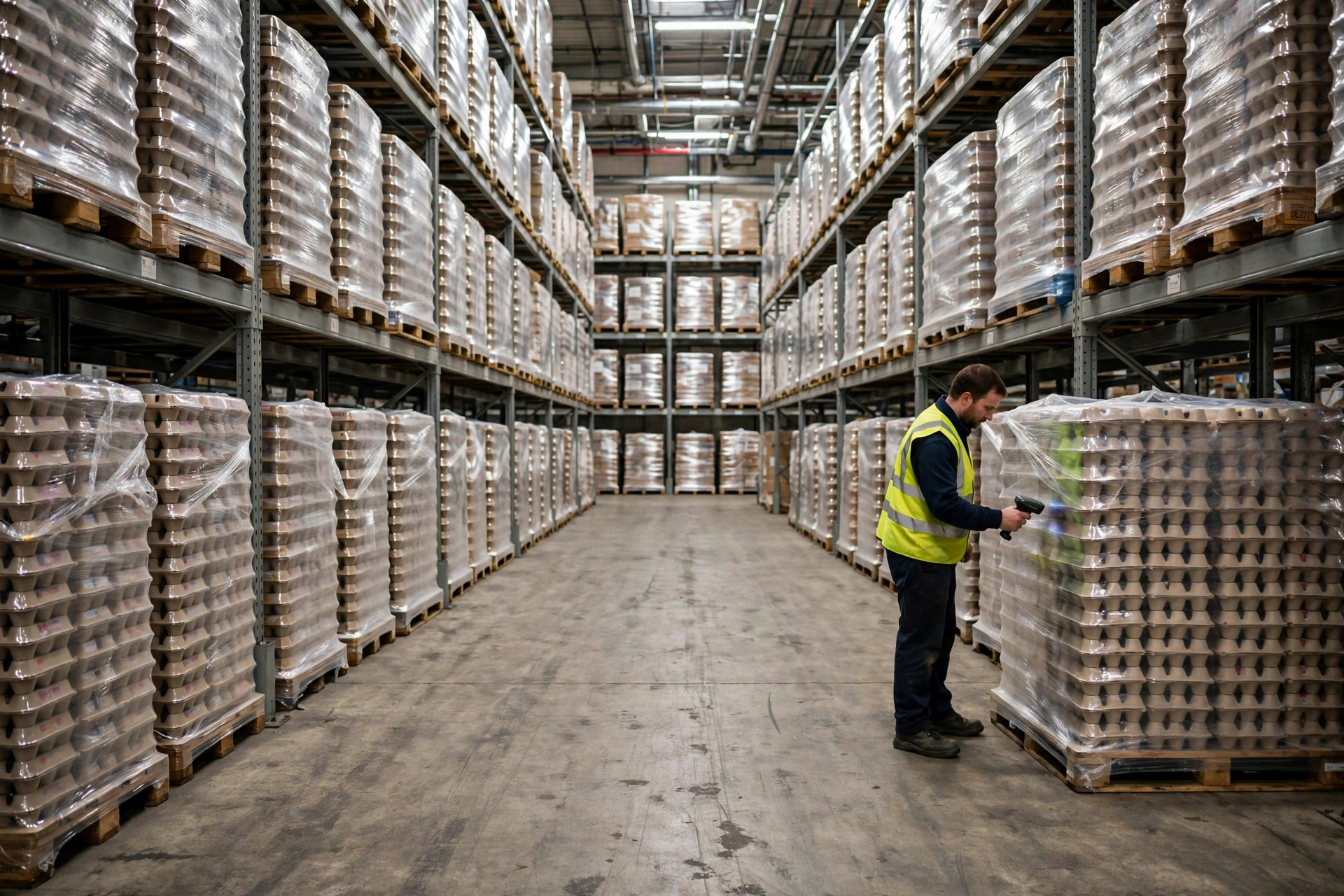
0:30–0:45, physical reconciliation. Pairs take the inventory detail to the locations and count. Count doesn't match the system? Write it down — that's the most valuable finding of the exercise. Slap a hold sticker on every location confirmed to hold the affected lot. Freezer note: labels fall off in the cold; bring low-temp tape. Deliverable: a count-variance sheet.
0:45–1:00, trace both directions. Backward: supplier, receipt date, inbound lot number — plus what else rode on the same truck (mixed loads are a classic cross-contamination vector). Forward: which customers received it, how much each, which carrier moved it. Deliverable: a one-page lot-movement map.
1:00–1:15, simulate customer notification. Actually call, with a script: "Hi, this is [warehouse], we're running a mock recall drill. Your shipment of [product] on [date], lot [number], falls in scope — how much did you receive, and do you still hold any?" Log who answered, how fast, and whether they could state on-hand. Every dead number is your exposure in a real recall.
1:15–1:30, roll up the location report. Three buckets: still in the building, shipped to customers, unaccounted variance. One number matters: recall coverage — located quantity divided by total lot quantity. My bar: 98% passes, under 95% fails.
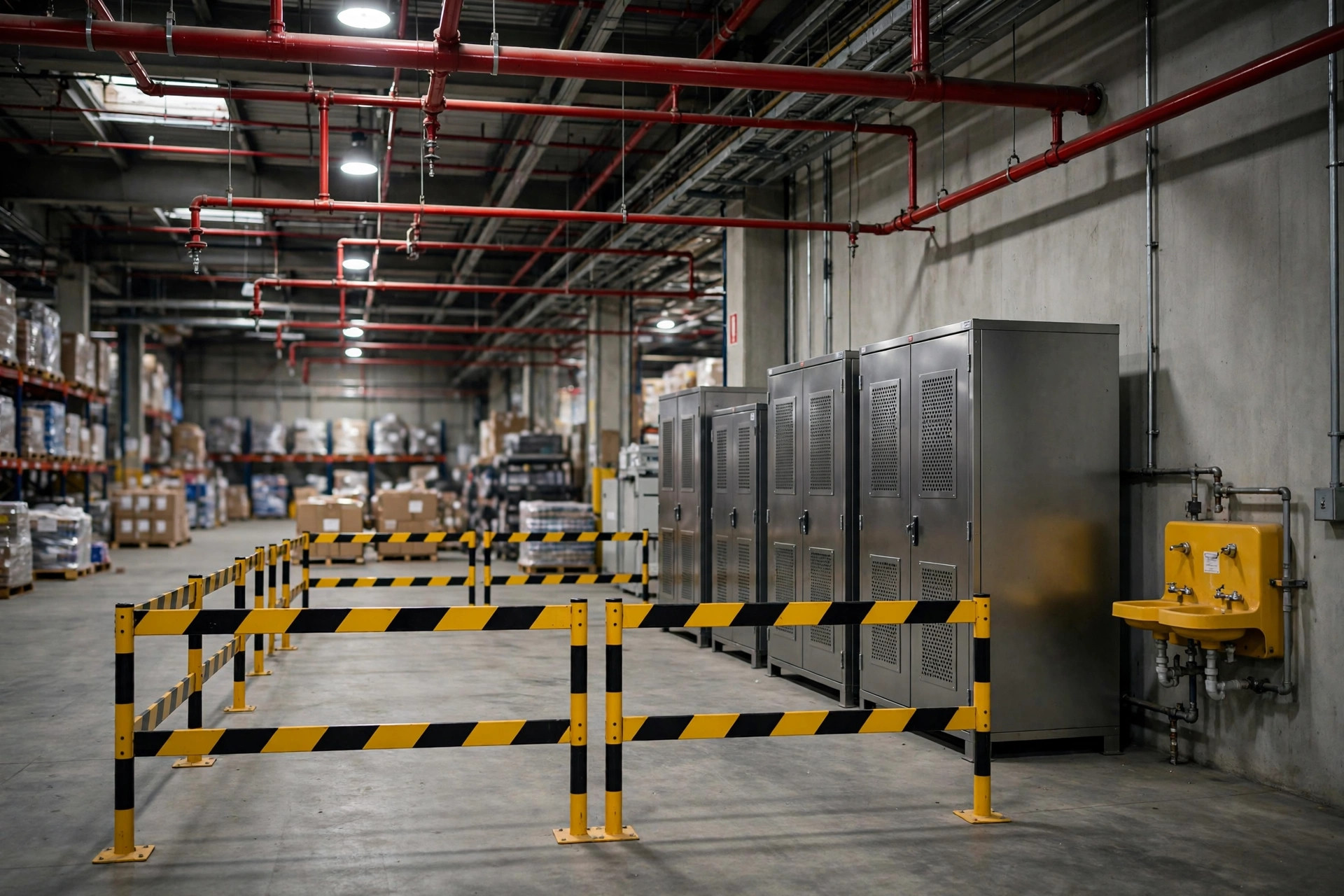
1:30–1:45, quarantine drill. Move the suspect pallets to the isolation area, or fence them in place with signage. Photograph everything. Deliverable: a quarantine completion sign-off.
1:45–2:00, close out. The coordinator takes 15 minutes to draft the preliminary report: actual versus planned time per block, coverage rate, issue list. It has to exist the same day — details written up next week are details forgotten.
Why Drills Always Overrun
After years of these, the choke points are always the same — and they're all "ordinary day" diseases:
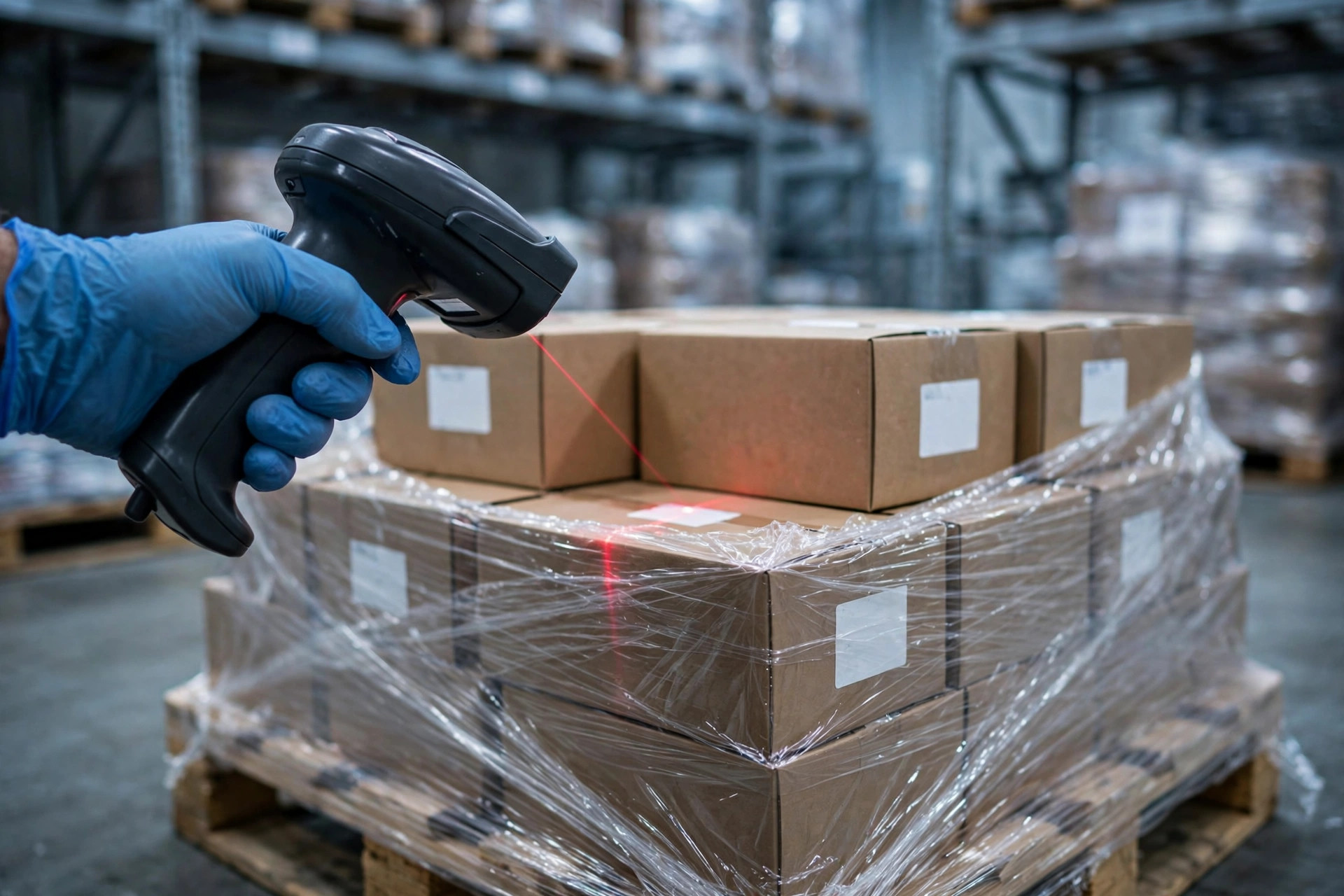
First, the WMS has no lot field, or the field exists and nobody fills it. Plenty of warehouses went live cutting corners: receiving scans the SKU, lot and expiry live on a paper slip. Lose the slip, lose the lot. FSMA 204 wants a traceability lot code carried through every downstream event — skip the scan at receiving and everything after is guesswork.
Second, mixed-lot putaway. Two lots on one pallet, or replenishment dumped straight into the old lot's location. Common in ambient warehouses, worse in freezers — nobody wants to spend an extra minute at minus twenty. Come count time, quantities reconcile and lots don't.
Third, returns folded back into stock. A customer sends a pallet back; receiving puts it away in the original location and the system still shows the original lot. In a real recall that pallet shows as "shipped" while it's sitting back in your building — your coverage math will never balance.
Fourth, the customer contact list is three years old. Sales has turned over twice; nobody updated the receiving dock's phone number. Dead line in a drill, dead line in a real one.
Fifth, if your goods sit in a 3PL, their data arrives when they answer your email. Before the drill, confirm: can your 3PL deliver lot-level inventory and outbound data within 30 minutes? If not, put that SLA in the contract.
Pharma warehouses run a different rulebook (DSCSA): unit-level serialization — GTIN, serial number, lot, expiry in a 2D barcode — scanned at receiving, picking, packing, and shipping, with tracing data retrievable fast when a recall or suspect-product investigation hits.
Don't End the Drill With a Group Photo
The standard move after a drill isn't lunch — it's a debrief report. Mine has to contain these items, no exceptions:
The basics: date, participants, SKU and lot, notice time. Planned versus actual time for all eight blocks — anything over by 10+ minutes gets flagged. Recall coverage: located quantity, total quantity, percentage. My line is 98%.
Then the issue list in three tiers: critical (no lot field in the WMS), major (unreachable contacts, quarantine too small), minor (labels fell off, projector dead). Every item gets a fix, an owner, and a deadline — no owner, no deadline, no improvement.
Set the next drill date: at least twice a year for food warehouses; under 95% coverage, add one within three months. Put the cadence in the quality manual.
One zero-cost habit: monthly, pick a lot that shipped yesterday and give the supervisor 15 minutes to locate it and name who got it. Not enough? Skip the drill, fix receiving first.
A mock recall doesn't test those two hours. It tests whether the previous 300 days of receiving scans and lot-disciplined putaways were done right. Drill day only works because ordinary days did.