Last fall, a friend's 3PL warehouse in Fontana — 120,000 square feet, two shifts — got two OSHA inspectors at 9 a.m. They stayed five hours and left four citations. Nobody was hurt. Nobody filed a complaint. It was a random visit.
After 20 years in this business, I've watched too many warehouse operators treat an OSHA surprise inspection as a low-probability event. Here's the truth: inspectors walk in with a mental shortlist of the most-cited items, and warehouses are walking into the same five traps. The 2026 penalty numbers aren't higher than last year, but they're not small either — up to $16,550 per serious violation and up to $165,514 per willful or repeat violation (osha.gov's 2026 figures; always check the latest published standard). Three or four citations in one visit, and you've lost the price of a forklift. Worse, citations go on the public record — customers audit it, insurers read it at renewal.
These are the five citations I see warehouses eat most often. My verdict on the two worst offenders, plus a 48-hour pre-inspection checklist, is at the end.
Forklifts: If You Drive One, You're Getting Checked
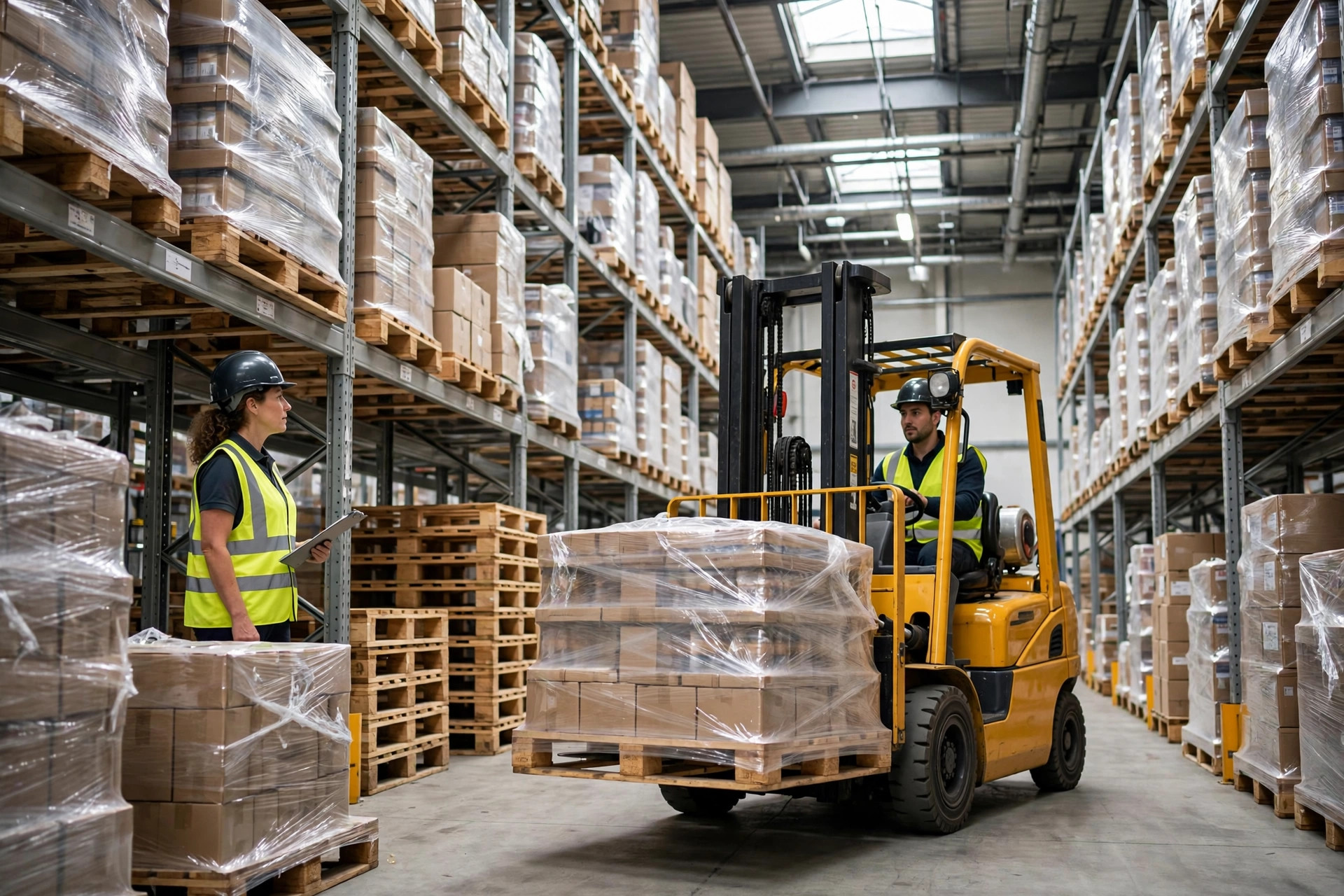
Powered industrial trucks (1910.178) is perennially one of OSHA's most-cited standards, and warehouses can't dodge it — the inspector sees forklifts running the moment they walk in.
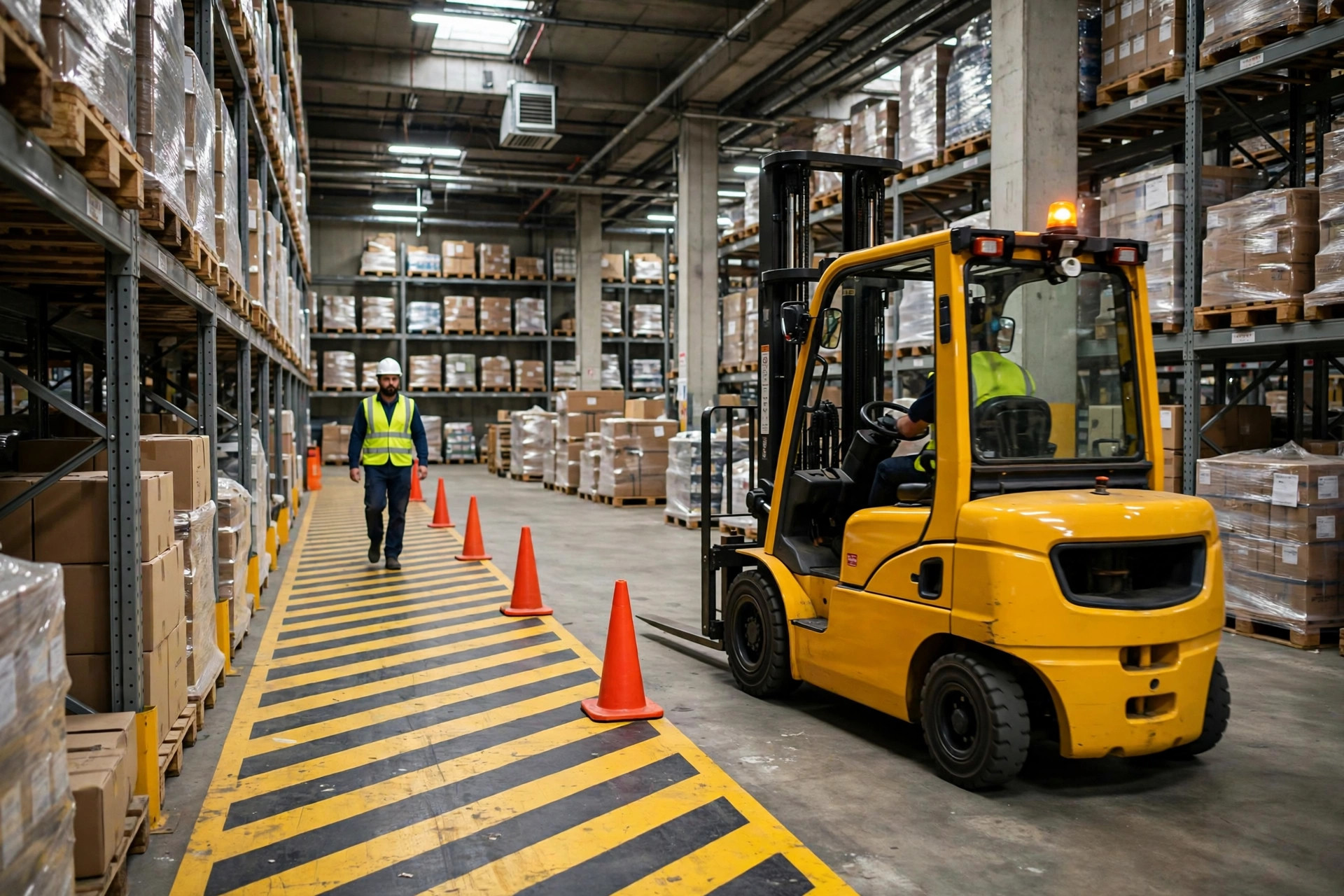
What the inspector looks at: operator certifications, daily pre-shift inspection checklists, seatbelt use, legible data plates and warning decals, nobody standing under raised forks, and whether drivers slow down and sound the horn at blind intersections. They'll also pull a driver aside for a live demo — racking, reversing, tight turns.
Where warehouses fail: checklists that go missing for weeks, training files with nothing but a signature from onboarding day, and the three-year refresher and skills evaluation never done. Then there's seatbelts — veteran drivers skip them to save time, and the inspector only needs to see it once.
Fix list (four angles):
- Documents: a written forklift safety program, and a training file per operator (date, content, trainer signature) with three-year refresher records.
- Records: daily pre-shift checklists, kept in a traceable form. Plenty of warehouses hang a paper binder on each truck — simple and it works.
- Training: new-hire training before operating, plus the three-year refresher and hands-on evaluation by a competent person who signs off.
- Floor: all seatbelts functional, pedestrian walkways and forklift aisles clearly painted, mirrors and reverse lights intact.
Rough cost: checklists cost almost nothing; third-party operator certification runs a few hundred dollars per person; professional floor striping for the whole warehouse is a few thousand. Cheap next to a $16,550 citation.
Hazard Communication: The Paperwork Trap
HazCom (1910.1200) is another citation OSHA writes constantly, and warehouse owners underestimate it the most — "we're not a chemical plant." But cleaning agents, adhesives for stretch film, battery-charging acid, and pesticides all count as hazardous chemicals.
What the inspector looks at: first question is "where are your SDSs," and they want any chemical's safety data sheet in under five minutes. Then they check containers for GHS-compliant labels (product name, hazard statements, pictograms, supplier info), and ask a random employee what to do if a chemical splashes in their eyes.
Where warehouses fail: SDSs expired or missing, a written program locked in the manager's drawer that floor staff never saw, chemical safety glossed over in new-hire training.
Fix list:
- Documents: a written hazard communication program with a full chemical inventory.
- Records: current SDS for every chemical — paper copies on the floor plus fast electronic access.
- Training: chemical safety in onboarding, supplemental training when a new product arrives, sign-in sheets kept.
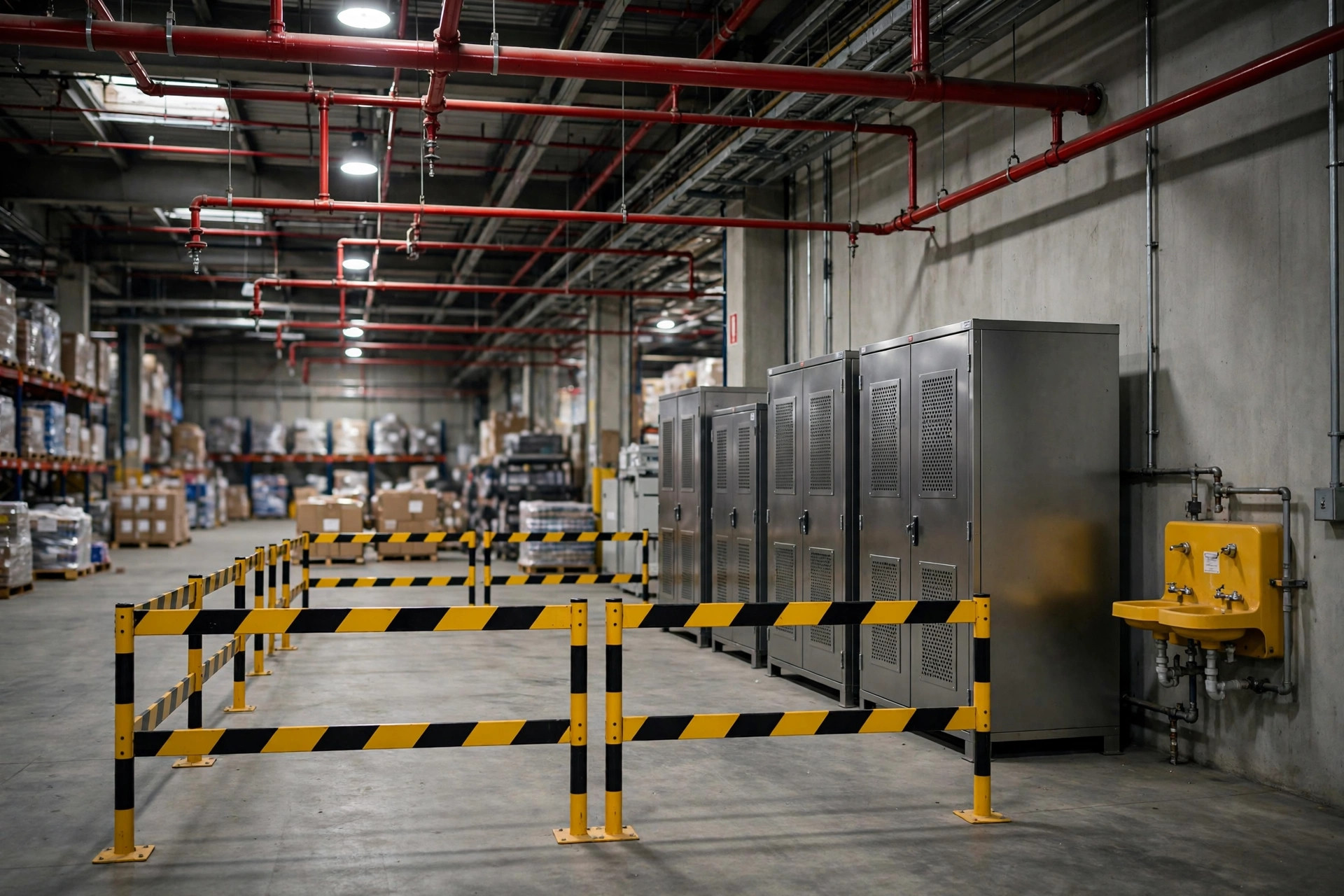
- Floor: compliant labels on every container; eyewash stations and emergency showers where required, tested weekly.
Rough cost: organizing SDSs and writing the program is mostly internal labor; an outside consultant doing full HazCom compliance runs a few thousand dollars; an eyewash station is a few hundred bucks. One citation plus remediation buys a lot of eyewash stations.
Lockout/Tagout: Where Conveyor Maintenance Turns Deadly
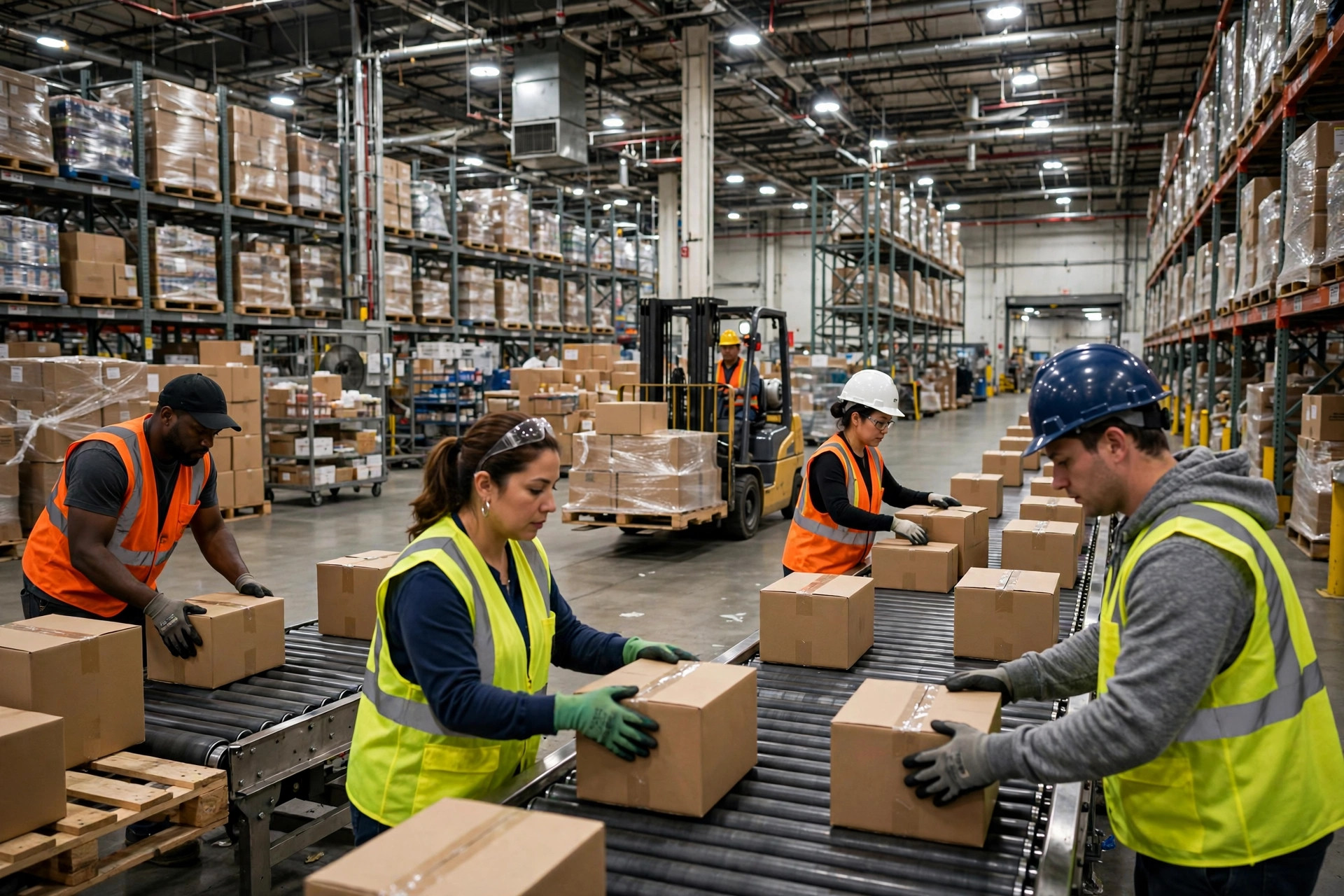
LOTO (1910.147) covers energy isolation during equipment servicing. In warehouses the danger zone is conveyors, sortation lines, and strapping machines — someone flips a switch while a tech is inside, and that's a fatality. OSHA watches this one closely because the stakes are that high.
What the inspector looks at: a written energy control procedure, dedicated locks and tags per machine, whether maintenance staff can recite the lockout steps, and periodic inspection records.
Where warehouses fail: small operations have no concept of it — the electrician just starts working on live equipment. Bigger ones have a procedure on paper but skipped the annual periodic inspection, or use one universal lock for the whole building — which the inspector treats as no lock at all.
Fix list:
- Documents: a machine-specific energy control procedure (energy sources, lock points, release steps).
- Records: periodic inspections, at least annually.
- Training: authorized employees (maintenance) and affected employees (operators) trained separately, with sign-in sheets.
- Floor: dedicated locks and tags per machine, panels clearly labeled.
Rough cost: a lockout kit per machine runs several hundred to a couple thousand dollars; writing procedures and training for the whole warehouse, a few thousand with an outside firm. This is the most technical of the five fixes — and the only one where a failure kills someone. Don't cheap out.
Respiratory Protection and Electrical/Walking Surfaces: The Easy Targets
Respiratory protection: warehouse dust comes from cardboard cutting, wood pallet debris, and sweeping. The inspector checks whether you've done a dust hazard assessment, whether high-dust areas have a respiratory protection program, whether employees had fit tests, and whether respirators were handed out casually.
Electrical safety and walking-working surfaces: pallets stacked in front of electrical panels, extension cords used as permanent wiring, uneven or oily floors, unguarded dock edges — the inspector sees all of it on one walk-through. Panels must have adequate working clearance in front; check the current OSHA standard on osha.gov for the exact requirement. Fixing this is mostly housekeeping: clear the panels, replace sketchy cords with compliant solutions, patch floors. Cheapest to fix, cited just the same.
The fix list for both boils down to one sentence: add the assessment and program to your documents, keep the test and inspection logs, train people, and clean up the floor. Fit tests and respirators run a few hundred dollars per person; electrical and walkway cleanup is mostly labor.
The 48-Hour Pre-Inspection Checklist
My verdict: forklifts (1910.178) and hazard communication (1910.1200) are the two worst offenders — one is visible, one is paperwork, and an inspector can write either with their eyes closed. LOTO does the most damage per citation: one willful at $165,514 can cripple a small operation.
If an inspector showed up tomorrow, here's what I'd check in 48 hours, in order:
- Bring every forklift's daily checklist current, make sure every seatbelt is buckled, and clear the pedestrian walkways.
- Put the SDS binder somewhere obvious and spot-check three chemical containers for intact labels.
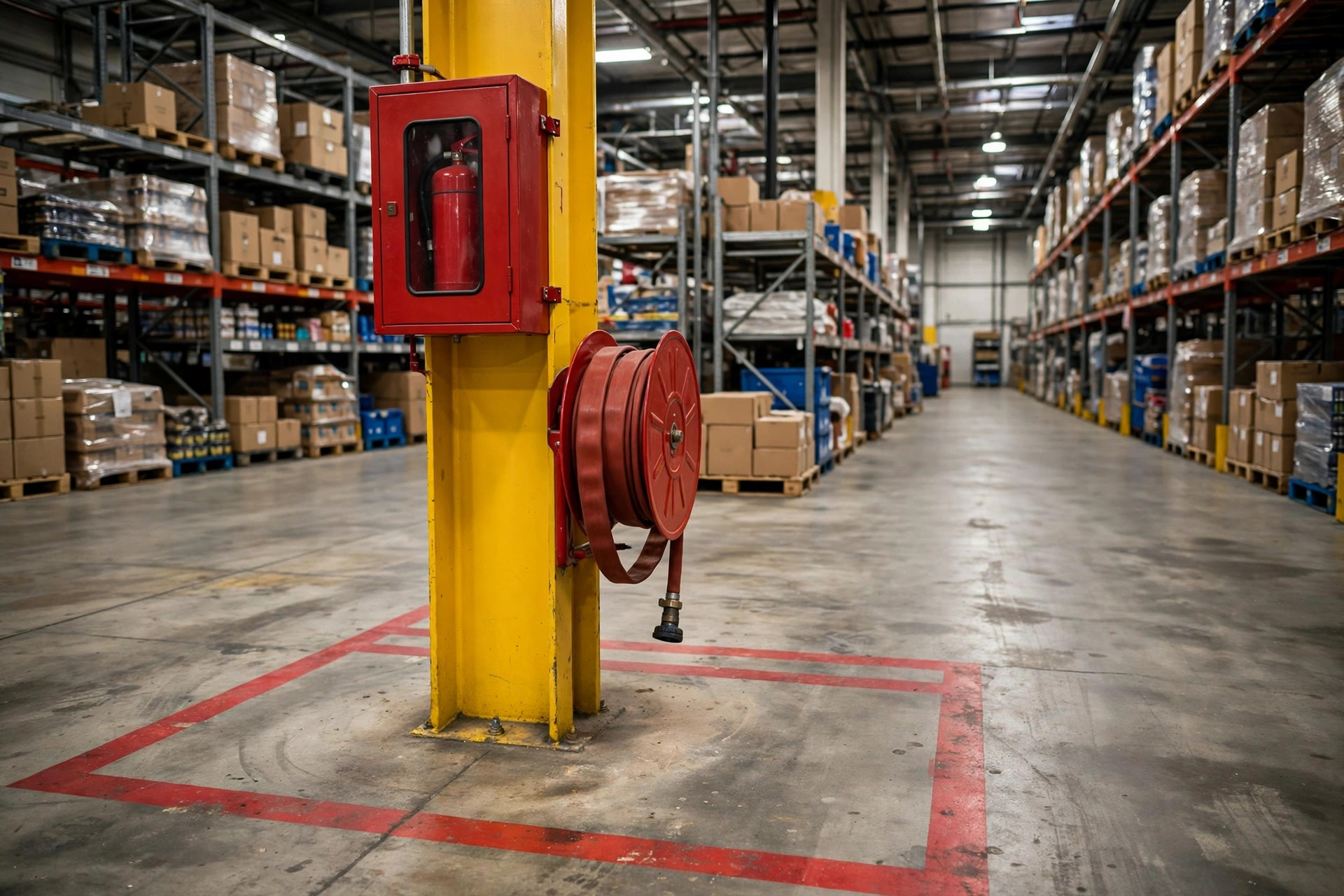
- Clear everything in front of electrical panels, fire hydrants, and emergency exits.
- Ask three floor employees: "Where's your forklift cert?", "What do you do if a chemical splashes on you?", "What's the first step before repairing a conveyor?" — anyone who can't answer gets trained tonight.
Honestly, the most expensive part of an OSHA citation is never the fine itself. It's the downtime during remediation, the insurance hike, and the points you lose when customers audit the facility. The five fixes above run a mid-size warehouse roughly $10,000 to $20,000 and two to four weeks of work. Waiting for the inspector to show up costs more.