
Plenty of people dismiss eBay as a has-been — a place for used junk. Let me correct that in 2026: eBay US is still the traffic king for auto parts, trading cards, and refurbished electronics. I know a seller who refurbishes vintage audio gear — 300+ orders a month from a single eBay store at 45% gross margin. The same products on Amazon get no searches at all.
My verdict up front: eBay is the US marketplace where category choice decides everything. Pick the right category and it's one of the most profitable platforms out there; pick wrong and it's high fees with scattered traffic. Auto parts, collectibles, and refurbished goods — go all in. Generic white-label products — stay away.
What This Platform Actually Is
Founded in 1995, eBay is America's oldest ecommerce marketplace. Its biggest difference from Amazon: eBay runs on search-and-discovery logic. Buyers come here to hunt — discontinued parts, out-of-print trading cards, a good deal on something used. That treasure-hunt mindset shapes the traffic: long-tail, high-intent, strong repeat purchase.
There are two selling formats: auction (start low, highest bid wins) and fixed price. The 2026 reality: fixed price drives the vast majority of GMV; auctions are now mostly a traffic and clearance tool.
My take: eBay is the most seller-friendly major platform — transparent rules, appeals that get heard, and a suspension rate far below Amazon's. But its buyers are brutally price-sensitive. If you want brand premiums, look elsewhere.
Requirements: The Lowest of Any Major Platform
eBay has the lowest entry bar in the business:
- Register with an email — individuals and companies both welcome
- Link a bank account (eBay Managed Payments disburses straight to your bank)
- Identity verification: ID for individuals, business license for companies
- No mandatory deposit, no monthly fee (unless you subscribe to a Store)
Chinese sellers can join directly — eBay is genuinely cross-border friendly, with cross-border trade accounting for a big share of GMV. One note: new accounts have selling limits that grow over time. Don't try to flood inventory on day one or you'll get throttled.
How to Join: Five Steps
Step one, register an eBay account, switch to seller mode, and complete your profile.
Step two, finish identity verification and link your bank account to activate Managed Payments.
Step three, list products: use all 80 title characters, upload up to 12 photos, and fill in Item Specifics completely — eBay search leans heavily on attribute filters, and a listing with empty attributes is effectively invisible.
Step four, set up shipping templates and a returns policy. Tip: listings with 30-day free returns earn the Top Rated Plus badge, which comes with a 10% fee discount.
Step five (optional), subscribe to a Store. Above ~50 orders a month, a Basic Store (~$22/month) drops your final value fee from 13.6% to 12.7% and adds 1,000 free listings.
New sellers get 250 free listings a month; beyond that it's $0.35 each. Good 'Til Cancelled listings renew every 30 days, and each renewal counts against the allowance — watch this if you carry many SKUs.

Fee Breakdown: Do the Math
eBay's fees look complicated but break into three pieces. (Rates below reflect 2026 public schedules — verify current policy before modeling.)
- Final value fee: 13.6% for most categories without a Store, 12.7% with a Basic Store or higher, calculated on item price + shipping; only 2.35% on the portion above $7,500
- Per-order fee: $0.30–$0.40 per transaction
- Insertion fee: first 250 listings/month free, then $0.35 each; Store subscribers get more free listings at lower overage rates
- Optional: Promoted Listings (pay-per-sale, you set the rate, typically 2–10%), Store subscriptions ($7.95–$299.95/month by tier)
Do the math: a refurbished speaker sold at $59.99, costing $25, on a Basic Store. Final value fee 12.7% = $7.62, per-order fee $0.40, total $8.02. Net: 59.99 − 25 − 8.02 = $26.97, a 45% margin. That's with self-fulfillment where the buyer pays shipping — buyer-paid shipping is the friendliest part of eBay's fee model.
The counterexample: a $12.99 trinket. Fee $1.77 + $0.40 = $2.17, a 16.7% fee rate. Low-ticket items get punished on eBay — think twice about anything under $20.
Practical Tips: The Five That Matter Most
Filled-in Item Specifics are free traffic. Over half of eBay buyers use the left-rail filters. Leave brand, model, year, and condition blank and your listing vanishes from filtered results. Five extra minutes per listing buys long-term organic traffic.
The Top Rated Plus badge is worth chasing. Requirements: ship within 1 day + 30-day returns. Payoff: 10% off final value fees, search boost, and a trust badge. For stores doing 100+ orders a month, the annual fee savings are substantial.
Use auctions for clearance, not profit. Start at $0.99, run 7 days — great for dead stock and traffic. The era of making real money on auctions is over; fixed price is the core business.
Start Promoted Listings at low rates. You set the ad rate — start at 2%, scale up once conversion proves out. eBay ads are pay-per-sale: no sale, no cost. Far friendlier than Amazon's pay-per-click.
Cross-border sellers get dedicated traffic. eBay's international shipping program covers 200+ countries, so sellers shipping from China can still reach US buyers. Set a "US delivery in 3–5 days" template and conversion won't lag far behind domestic shippers.
Pitfalls: Four to Avoid
VeRO takedowns hit hardest. eBay's VeRO program lets brands file complaints directly — listings vanish instantly, repeat offenses kill accounts. Check the VeRO list before selling branded goods. No exceptions, no luck.
"Not as described" disputes favor buyers. eBay almost always sides with the buyer on SNAD claims. For used and refurbished categories, document every flaw in the description and photos. Say the ugly stuff up front.
GTC auto-renewals quietly drain money. Thousands of listings renewing every 30 days burn through the free allowance fast, then $0.35 each. Delist anything with no sales in 90 days.
Below Standard rating is slow poison. Late shipment and defect rates above thresholds drop your account to Below Standard: +5–6% in fees plus demoted traffic. eBay gives you a path to recover, but don't wait until you're demoted to care.
Logistics & Warehousing: My Home Turf
eBay logistics work nothing like other platforms, because there's no official fulfillment service — no "FBA." It's all on you:
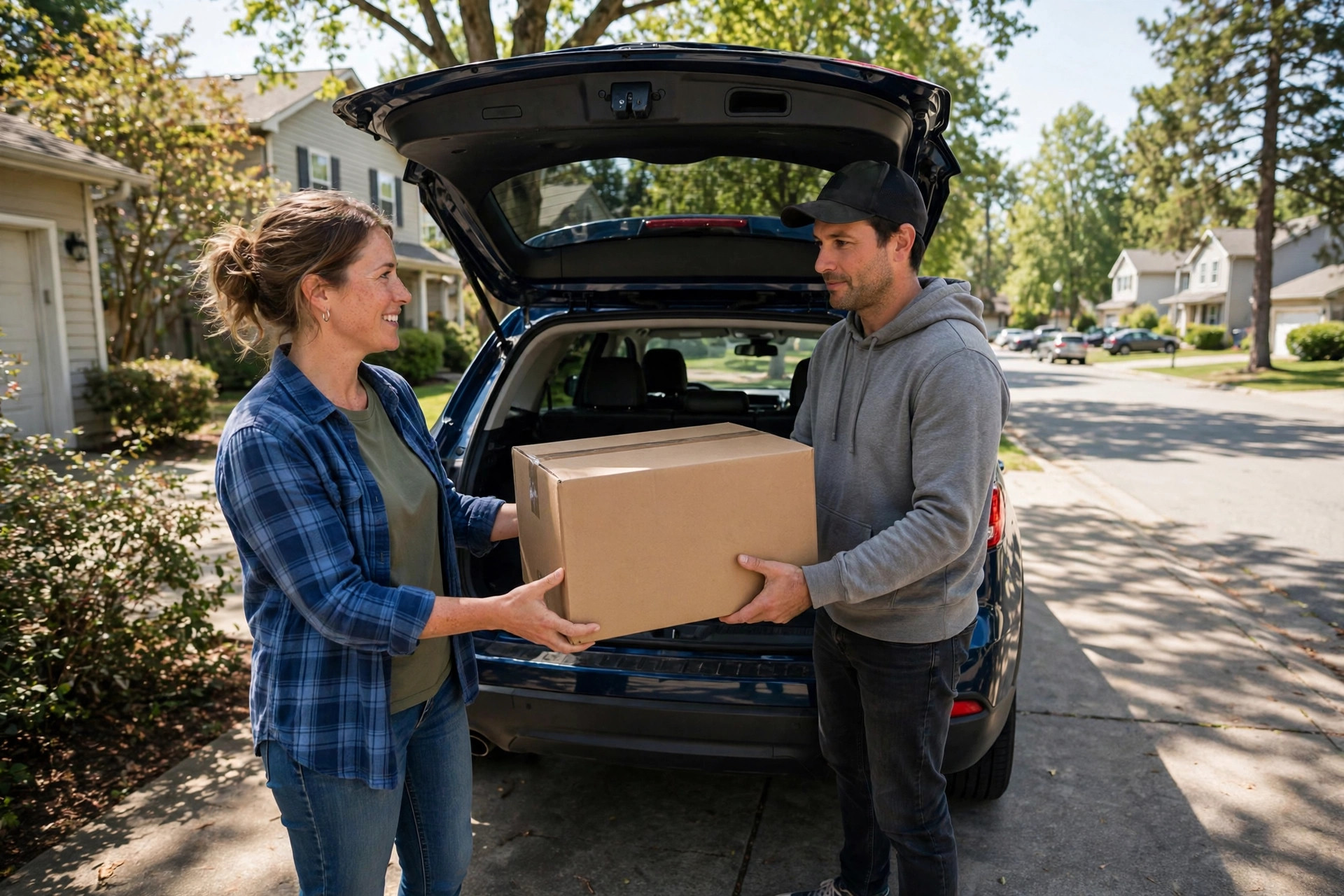
Small sellers: self-ship and master your templates. eBay buyers tolerate slower delivery than Amazon's — 3–5 days is perfectly fine. USPS Ground Advantage is cheapest for small parcels; buy commercial-rate labels through tools like Pirate Ship to save 20–40%.
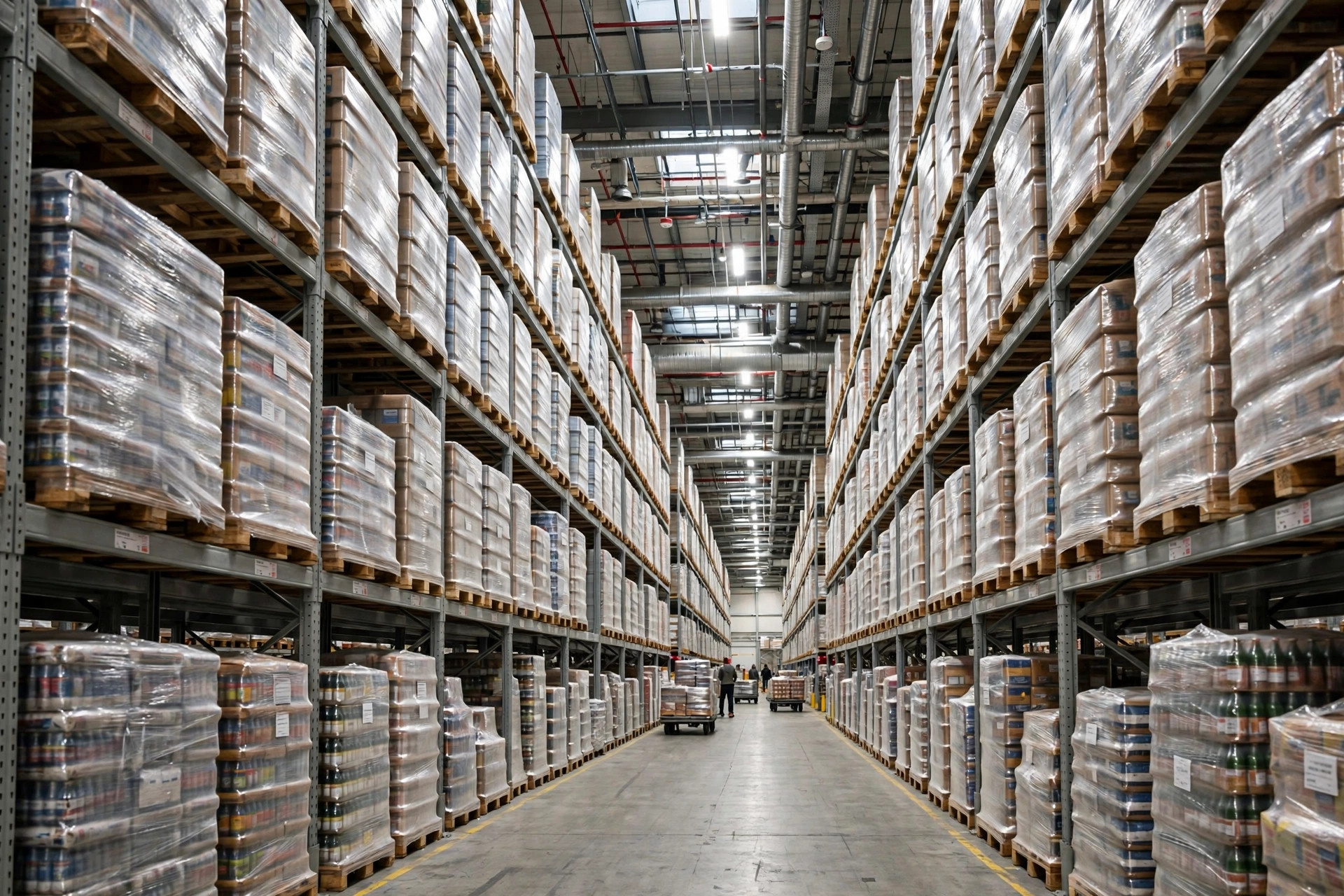
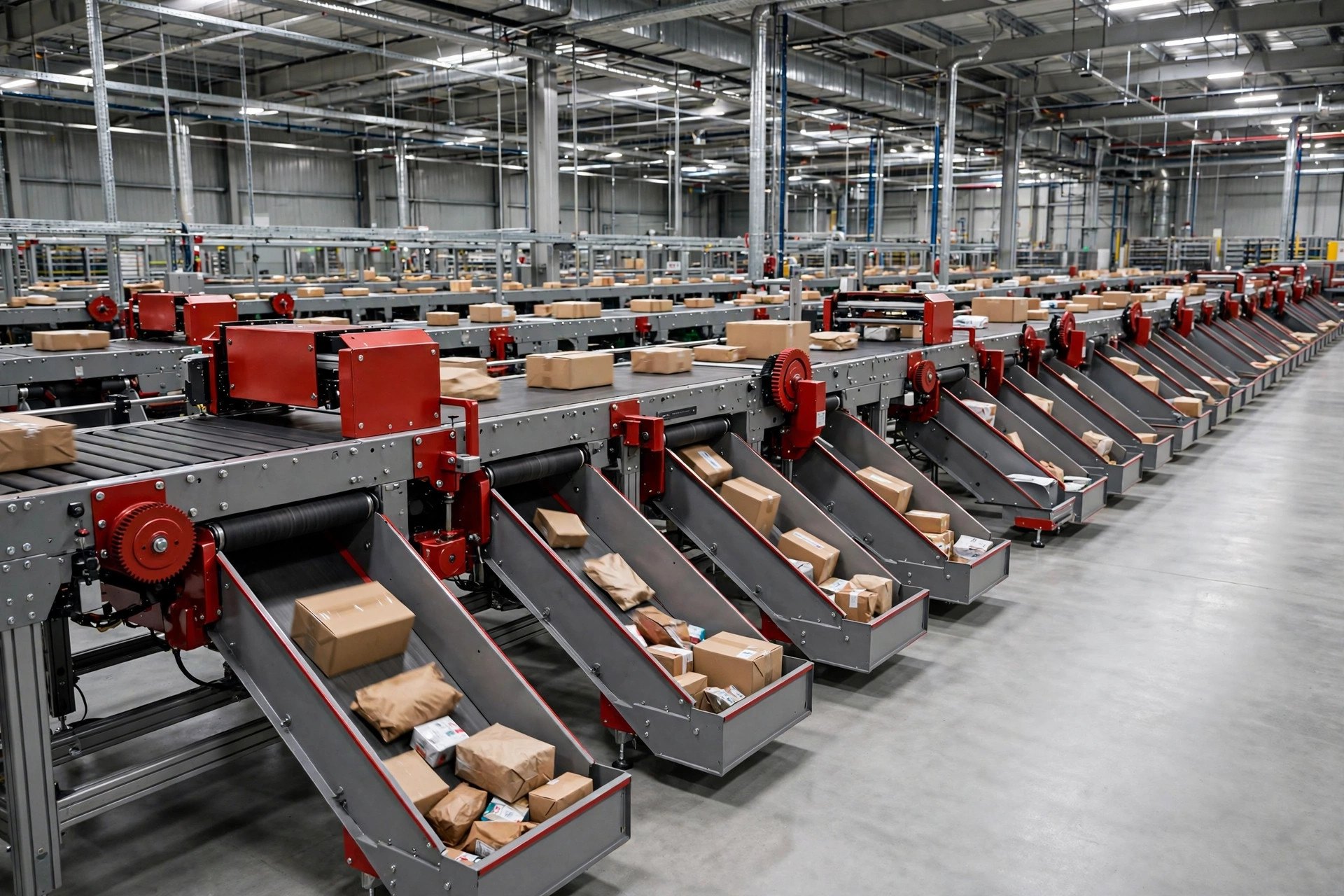
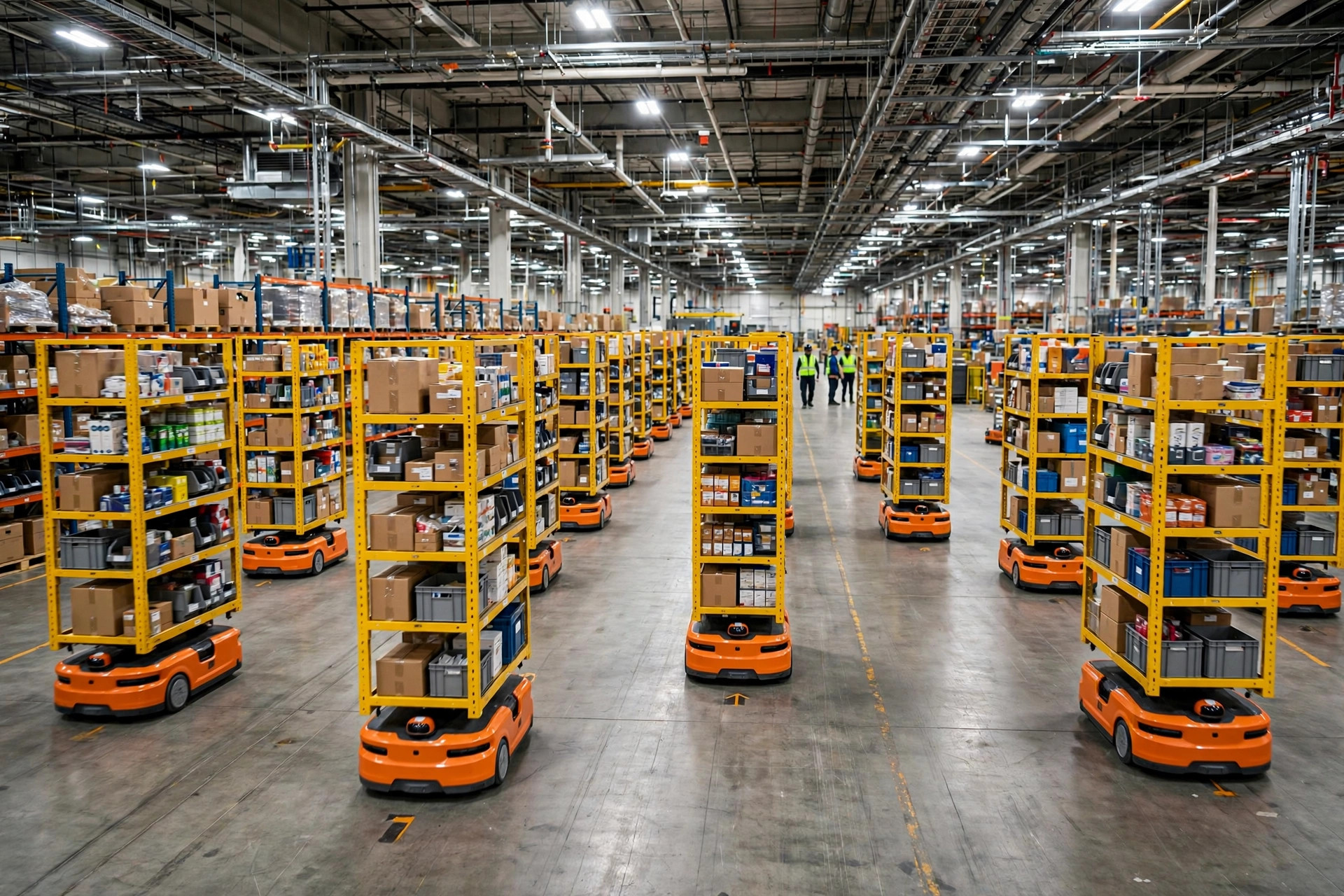
Mid-size sellers: a small US warehouse doing per-order fulfillment. Past ~500 orders a month, self-shipping breaks down on labor. Rent a slice of 3PL space on per-order pricing, outsource pick-pack-ship, and focus on listings and service. Returns go straight back to that warehouse and get relisted after refurbishment — for used/refurbished categories, this return-to-resale loop is a real profit center.
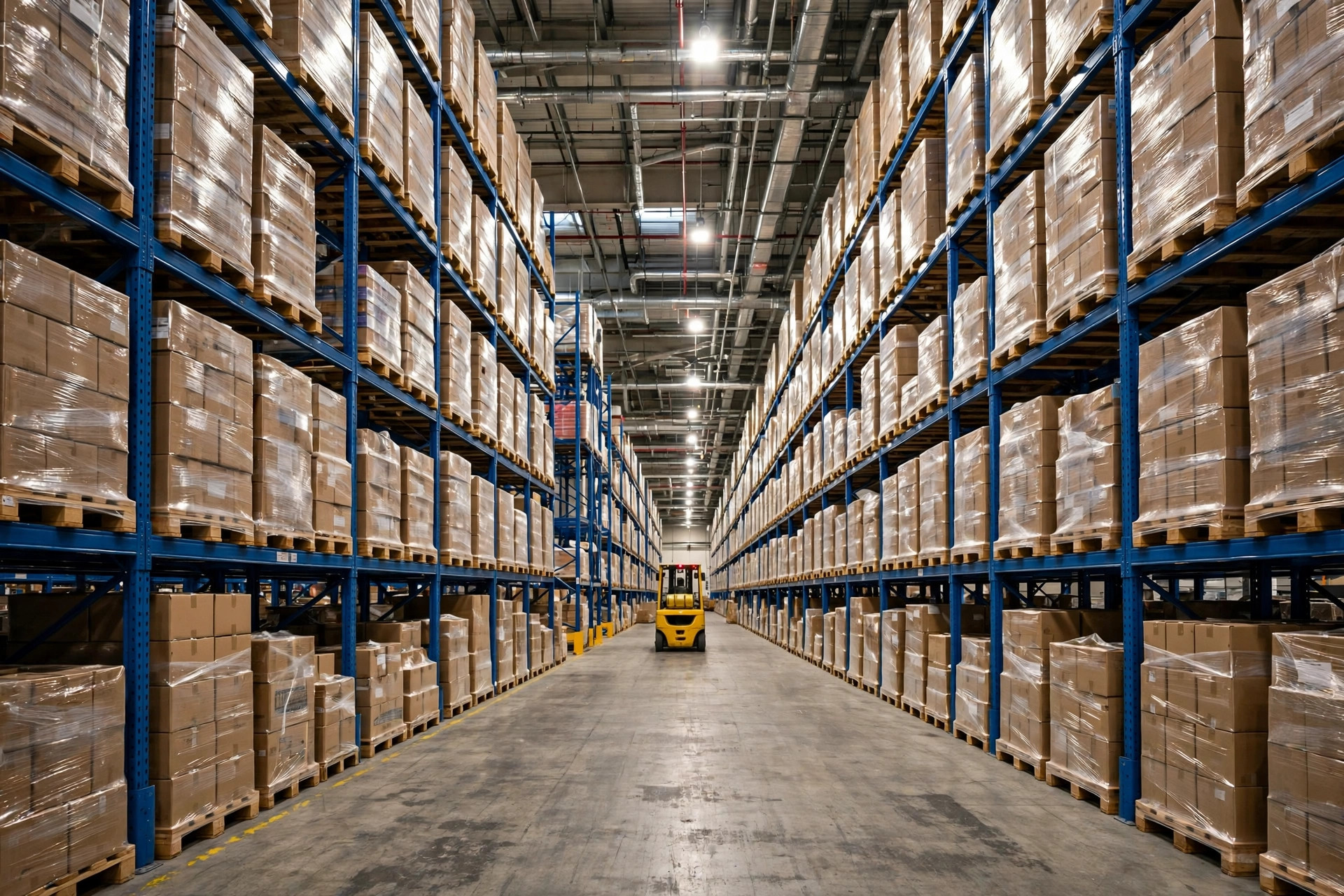
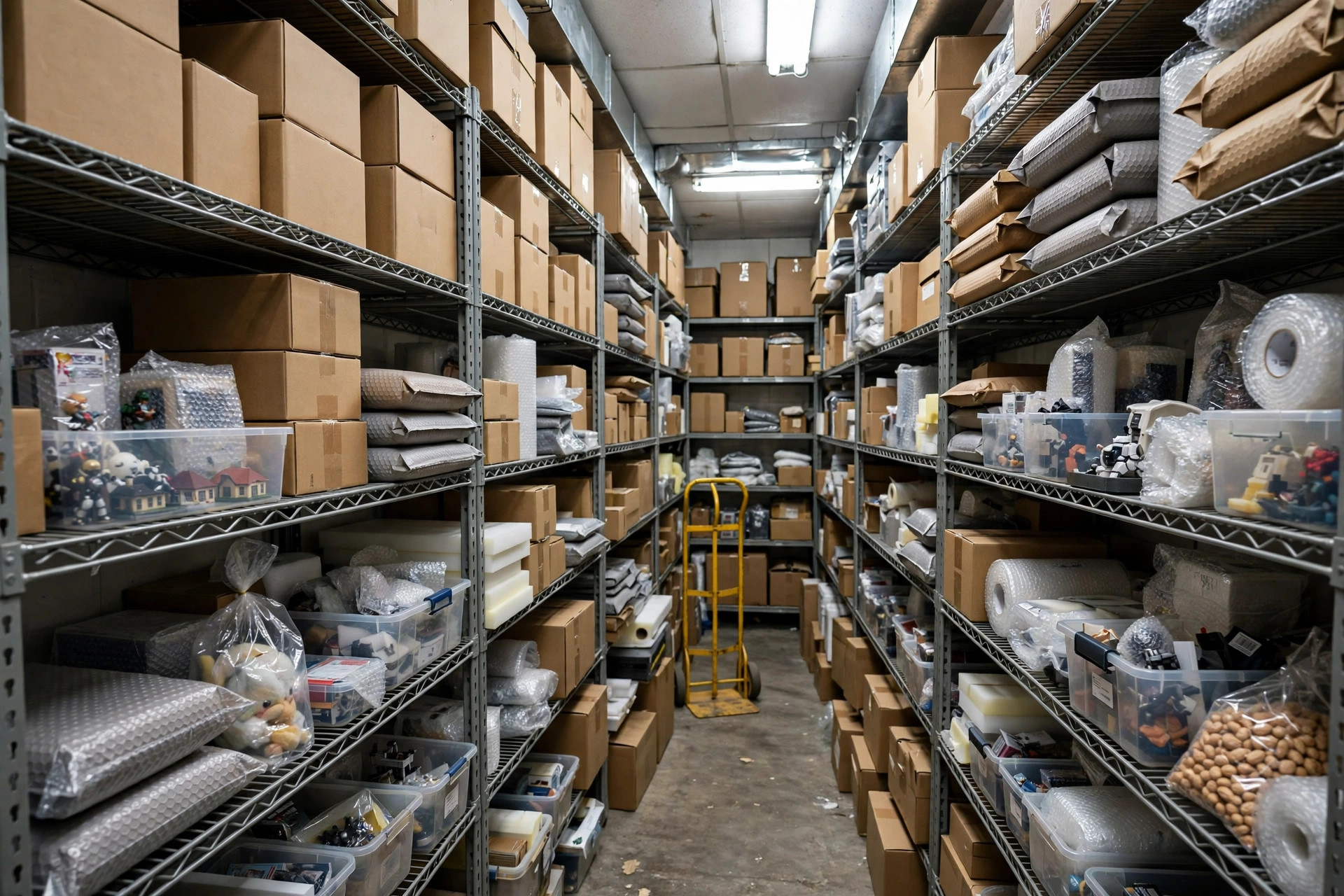
Auto parts and collectibles: warehousing IS the competitive edge. Buyers in these categories want complete, fast, and accurate: full SKU coverage, quick dispatch, correct fitment. A well-run small warehouse (clean bin locations, FIFO) paired with eBay's fitment data can double your conversion rate versus sloppy competitors. Here, warehousing isn't a cost center — it's a sales tool.
China-based sellers: a US warehouse is the dividing line. Listings that "ship from China" convert at a structural discount. Once monthly sales stabilize, forward your hot SKUs to a US warehouse — same listing, US ship-from, and a 30%+ conversion lift is common. You don't need much: 30 days of sales as a starter buffer is enough.
Bottom line: eBay rewards slow, careful work. Right category, complete attributes, steady shipping — and it pays top-three margins across all platforms. Just don't expect Amazon-style explosions.