In the fall of 2023, I visited a friend's "warehouse" in San Bernardino — his garage. Two rows of shelving, 300+ refurbished power tools, 400+ orders a month. Rent: zero. Every single order came from one place: Facebook Marketplace.
Here's my verdict up front: this is the lowest-barrier selling channel in America. An individual seller can start with zero fees. But it also has the lowest ceiling — don't try to build a serious warehousing operation on top of it. There's a gap between garage sellers and 3PL customers, and this article maps exactly where that gap is.
What this platform really is
Facebook Marketplace launched in 2016, embedded inside the Facebook ecosystem, with a massive US user base. The transaction logic is "people near you": local pickup first, shipping as an option. The three most seller-friendly facts: listings are free, there's no monthly rent, and local face-to-face sales carry no platform cut (shipped orders do incur a selling fee — check the latest official policy for the current rate).
The traffic quality is unusual: buyers are usually within 30 miles, decisions are fast, haggling is aggressive, and return rates are extremely low — inspect in person, cash and carry, minimal drama. The downsides are equally clear: no shopping-cart mindset, no brand equity, and repeat business depends entirely on you adding buyers as friends and following up yourself.
Requirements to sell
For individual sellers: a phone and a normal, active Facebook account is enough to start; the platform runs identity verification. If you want to operate longer-term, pair a Facebook business Page with a Commerce account — more legitimate, unlocks shipped sales and platform payouts.
The hard requirements are few: be 18 or older; shipped-order payouts go through the platform, so you need a US bank account; and products must comply with Commerce Policies — weapons, alcohol, tobacco, prescription drugs, counterfeits, don't even touch them. Getting an account back after a ban is painfully slow.
How to get on
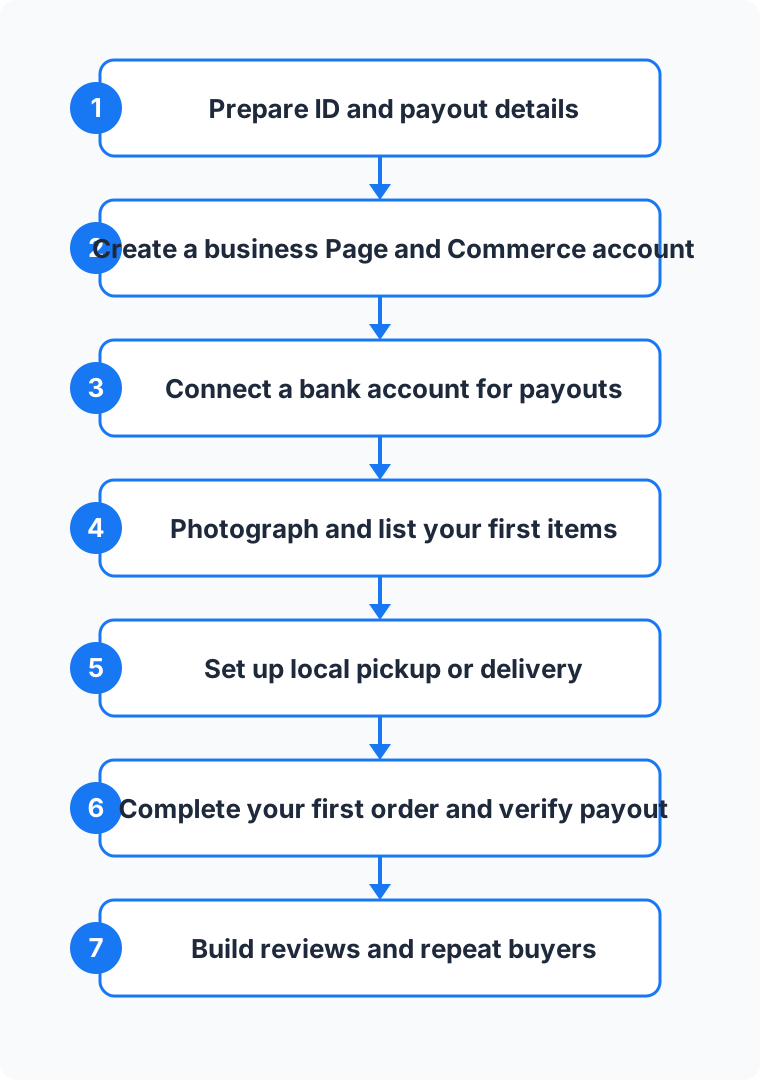
Step one, get your documents ready. Individual sellers need a driver's license or passport for identity verification. If you'll ship orders, have your bank account details ready — payouts only go to US domestic banks.
Step two, set up your seller identity. Casual sellers can use a personal account; anyone planning to stick around should create a business Page and open a Commerce account. Pages have a review system, and buyer trust is on a completely different level.
Step three, connect payouts. Link your bank account in the Commerce account; the platform sends two small verification deposits before you can withdraw. Don't use someone else's card — a name mismatch will stall your review.
Step four, list your first batch. Photos are life or death — the first image drives roughly 80% of clicks. Natural light, clean background, multiple angles, and disclose flaws in the description to avoid arguments at pickup.
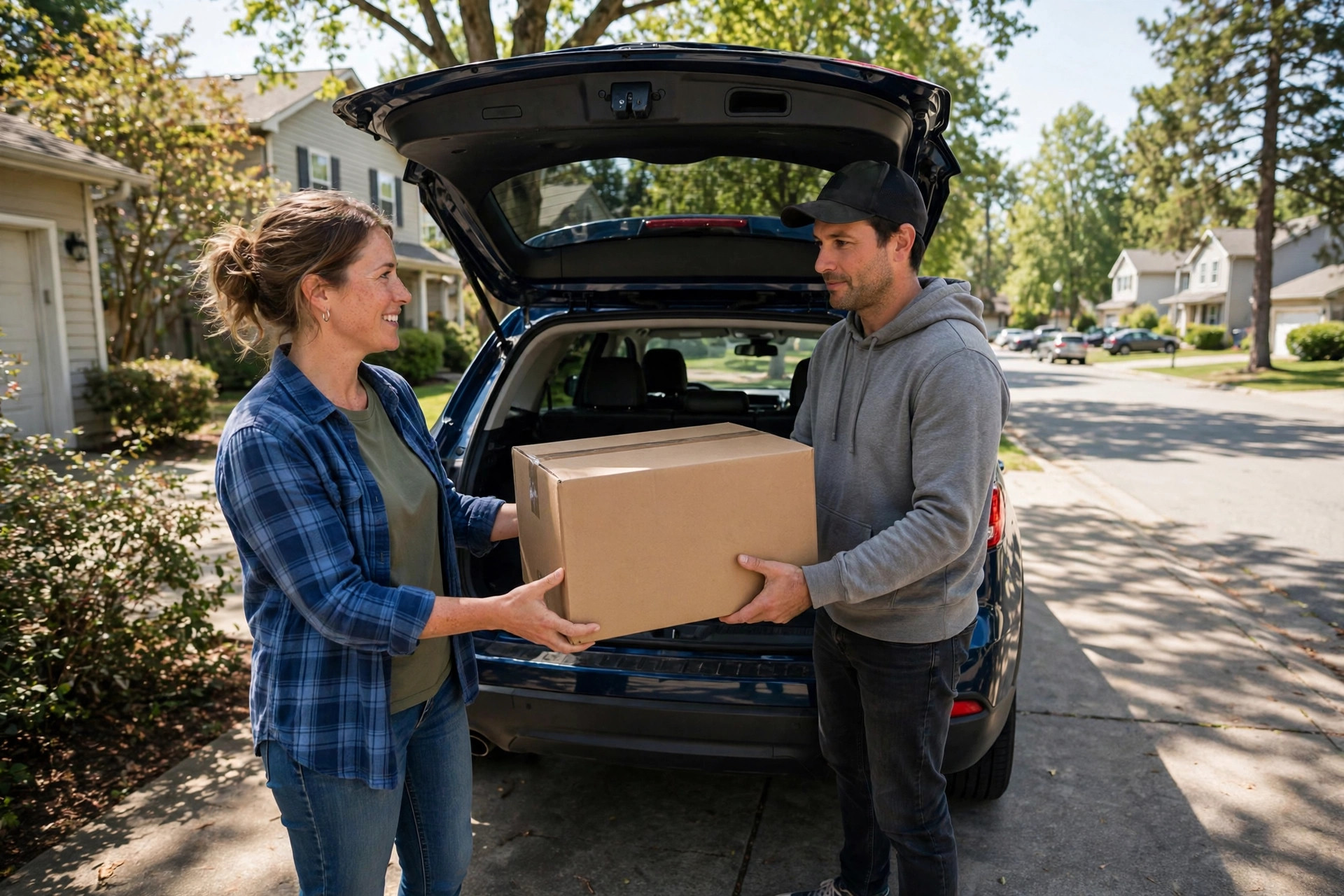
Step five, set delivery options. For local orders choose local pickup and meet in a public place. If you're willing to ship, enable platform shipping and use platform labels so lost packages leave a paper trail.
Step six, complete your first order. Payouts for the first shipped order don't arrive instantly — the platform settles after confirmed delivery, so mentally budget a few days of float.
Step seven, build reviews. On Marketplace, reviews are your storefront. Be punctual, honest, and easy to talk to, and repeat buyers and referrals show up on their own.
Fees: run the numbers
Local pickup: the platform takes nothing. Your only costs are time and gas.
Shipped orders: the platform charges a selling fee (check the official site for the current rate). Run the math: a $200 secondhand vacuum shipped, assuming a 10% fee, means $20 to the platform; $18 for UPS Ground in-state shipping; you net $162. Sell the same item face-to-face for $180 and you keep $18 more, with zero packing time.
Now the warehousing math: 200 square feet of garage holding 300 items costs nothing; a 10x10 storage unit runs $150–250 a month depending on the market; a 3PL — even a small one — with monthly rent plus inbound/outbound handling fees can eat half your margin in slow months. The conclusion is blunt: under 500 orders a month, don't touch a 3PL.
Practical tips
First, shoot the hero image in natural light — never use stock photos. Buyers are hyper-alert to anything that "looks like a scam," and a stock photo means getting skipped.
Second, price 10–15% above your walk-away number. The default opening line on Marketplace is "what's your lowest price" — list at your real price and nobody asks.
Third, reply within an hour. The platform displays your response speed, and fast responders rank higher. That's free traffic.
Fourth, bundle. A $20 single item sits; three items for $50 as a bundle moves fast and saves you three separate meetups.
Fifth, keep a simple spreadsheet for inventory. By item 50 you'll learn that tracking deposits and Saturday meetups in your head ends in disaster.
Pitfalls
Fake payment screenshots. A scammer sends a "transfer complete" screenshot pressuring you to ship; the money never arrives. Iron rule: the goods don't move until the money lands (or cash is in hand).
No-shows. Agreeing then ghosting is routine — for valuable items, ask for a small deposit first. It filters out 90% of the talkers.
Prohibited categories. Supplements, tickets, live animals — the rules shift often. Check Commerce Policies before listing; bans come faster than you'd think.
Lost-package disputes on shipped orders. Always ship on a platform label with tracking. Hand-writing a label means you have no evidence when a buyer claims non-delivery.
Taxes. Once shipped sales cross a threshold, the platform issues a 1099-K — check current tax law for the exact figure. Don't wait until tax season to think about it.
Logistics and warehousing: my home turf
Marketplace sellers fall into three tiers, each with a completely different warehousing answer.
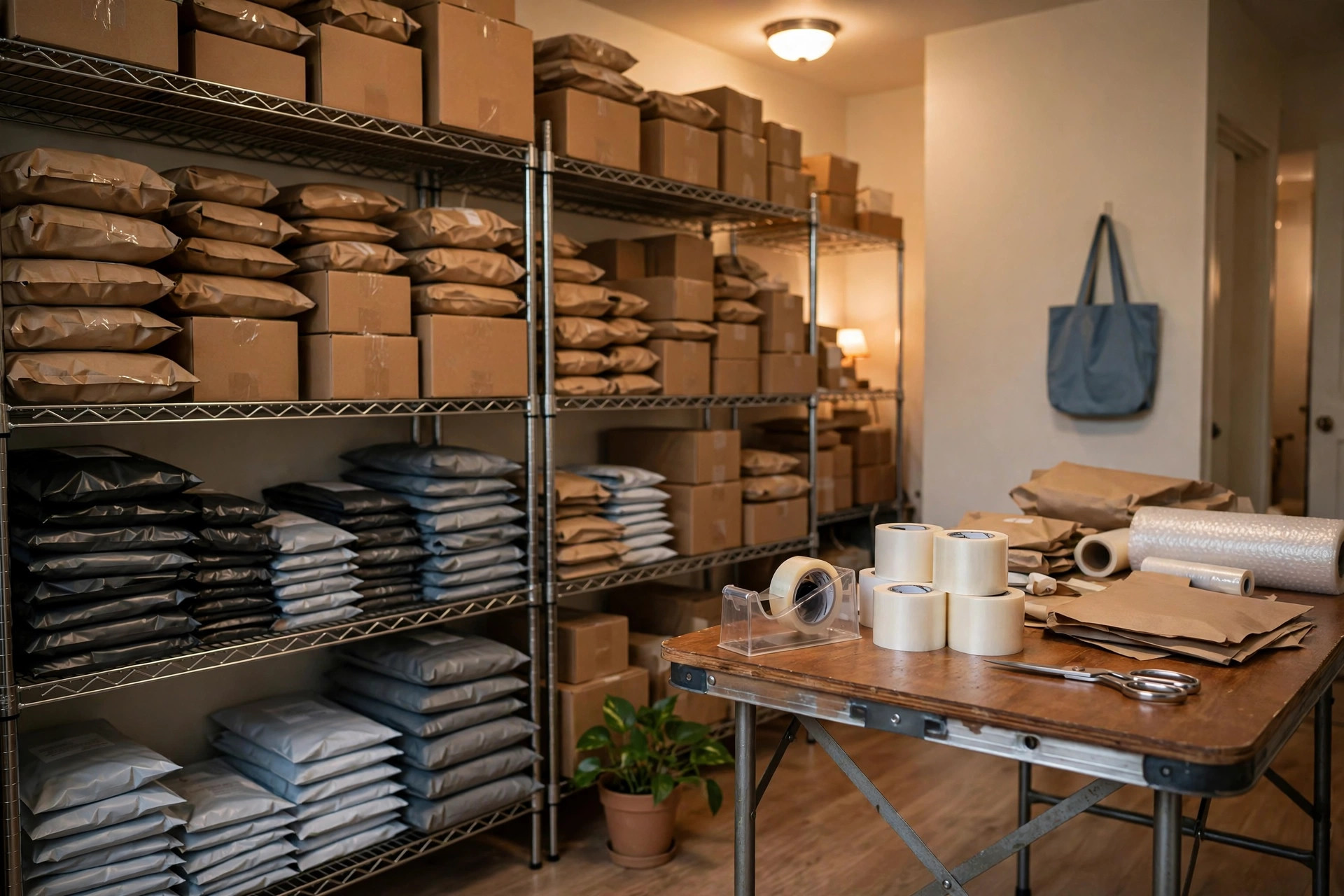
Tier one, garage sellers (under 200 orders/month): don't rent warehouse space. A garage plus shelving plus a label printer is your WMS. Three zones — to-list, listed, sold-awaiting-pickup — marker pen numbers on boxes, notes on your phone. That's enough.
Tier two, storage-unit sellers (200–800 orders/month): rent a unit within 15 minutes of home. The win is separation from your living space — meeting buyers at the unit beats meeting them at your house on safety. Buy UPS/USPS labels online; don't queue at the counter.
Tier three, sellers who want scale: my verdict is don't build a 3PL operation around Marketplace. Its order peaks and valleys are too random to justify a warehouse contract. Flip it: carve 10–20% of capacity in your main Amazon/DTC warehouse for Marketplace as a clearance and long-tail channel, ship on your main carrier account, and keep marginal costs at rock bottom.
One line to close: Marketplace is a zero-cost traffic inlet, not the foundation of a warehousing business. Keep the priorities straight.