There's an oddball among US marketplaces: you can't just join. Target Plus is invite-only — no open registration — and in 2026 it even uses AI to screen applicant brands. A home-goods brand I know waited 11 weeks from application to invitation. But in their first year inside, average order value ran 40% higher than their Amazon store, with half the return rate.
My verdict up front: Target Plus is the extreme embodiment of "quality over quantity." A fraction of Amazon's traffic, but the highest-quality buyers of any platform and competition so thin it barely feels like a marketplace. It's for brands with real equity and pricing power; white-label volume sellers shouldn't bother — don't even submit the application.
What This Platform Actually Is
Target Plus is Target's third-party marketplace, launched in 2019 and embedded in Target.com. Shoppers never feel the "third party" — checkout, payment, and returns are all Target's experience. In July 2026 Target added a fresh batch of brands (Forever 21, Clarks, JanSport among them); the partner count is in the hundreds, and the strategy is pure curation.
The core difference is one line: SKU exclusivity. Only one seller can sell a given UPC at a time. No Buy Box. No hijackers. Once you're in, you're the only seller on that SKU.
My take: Target Plus is the "anti-marketplace." It doesn't chase SKU count; it chases the Target aesthetic. Whether your brand makes the cut is the only ticket that matters.
Requirements: Invite-Only, Hard Gates
Target Plus accepts US companies only — no individual seller path. The practical bar in 2026:
- A US-registered company with real brand assets (DTC site, social presence, brand story)
- Proven sales on other platforms (Amazon, Walmart) with strong ratings
- Ability to ship within 24 hours (a hard fulfillment requirement)
- Price parity: your Target price can't be higher than other channels
- Product images and copy that meet Target's content standards (stricter than Amazon's)
- Category fit: Target recruits by filling assortment gaps — if your category isn't in the current expansion plan, even a great brand won't get in
Applications go through partners.target.com, but submitting isn't joining a queue — Target screens with AI tools, and 4–12 weeks of silence means a soft no. My advice: become a category leader on Amazon and Walmart first, then apply with a track record. The odds are completely different.
There's also a side door: Shopify sellers can apply through the Marketplace Connect app, which wires inventory straight through and saves real integration work. Target's merchandising team also scouts Shopify proactively and sends invitations — a polished DTC site and product pages double as a way to be discovered.
How to Join: Six Steps
Step one, prepare brand materials: brand deck, product catalog, sales data from other platforms, fulfillment capability statement. Material quality decides whether you survive the AI screen.
Step two, submit at partners.target.com with a clear brand positioning and category pitch.
Step three, wait 4–12 weeks. You may get requests for more information — reply within 48 hours.
Step four, sign the partnership agreement once invited, confirming commission terms and settlement details.
Step five, technical integration: EDI or API for inventory and orders (at any real volume, manual processing won't survive).
Step six, list products. Target's team reviews content; once approved, you're live. All fulfillment is self-ship — Target offers no warehousing service.

Fee Breakdown: Do the Math
Target Plus fees are lightweight: no monthly fee, no listing fees, no fulfillment service fees. (Compiled from public information — verify Target's current policy before modeling.)
- Monthly fee: $0
- Listing fee: $0
- Commission: roughly 5–15% by category
- Logistics: 100% self-fulfillment; you bear parcel costs
- Returns: Target handles returns centrally; costs are shared per the agreement
Do the math: a branded diffuser costing $18, sold at $59.99, commission at 12% = $7.20, parcel cost (2-lb package) ~$6.50. Net: 59.99 − 18 − 7.20 − 6.50 = $28.29, a 47% margin. The same product on Amazon via FBA — 15% referral plus fulfillment — nets $8–10 less per unit.
There's also a hidden line item: with no hijackers and no price wars, ad spend on Target Plus is near zero. On Amazon, ACOS in comparable categories runs 20–30%. Everything you don't spend on ads here drops straight to profit.
The cold-water view: Target Plus order volume may run 5–10% of Amazon's. That 47% margin times small volume is modest absolute profit. Its value is brand endorsement and a high-value customer base, not volume.

Practical Tips: The Five That Matter Most
SKU exclusivity is pricing power. No hijackers, no Buy Box — you never have to reprice against competitors daily. Price where your brand belongs and let content and reviews justify the premium. Nobody else offers this.
Ride Target's traffic perks. Target Circle members get 5% off, free shipping over $35, and free in-store returns — third-party sellers benefit too. Spell out the Target-backed return guarantee on your detail pages; conversion lifts visibly.
Lean into gifting. Target shoppers buy gifts at a high rate. Beautiful packaging and gift options win disproportionately. Brands entering Target Plus should build a dedicated gift-box variant.
Treat Target as a brand billboard. Many brands join Target Plus less for sales than for the "sold at Target" credential — useful for retail negotiations and fundraising. Count brand value in your math.
Stock up 6 weeks before peak. Target's holiday season (Nov–Dec) and back-to-school (Jul–Aug) are the only two real spike windows for third-party sellers. Low everyday volume breeds complacency, but these windows can run 5–10x normal. Build to 60 days of safety stock six weeks out — missing one peak means half a year wasted.
Pitfalls: Four to Avoid
24-hour dispatch is military law. Target's fulfillment bar is higher than Amazon's; late shipments hit your partnership standing directly. No US warehouse, no application. That's the floor.
Price parity is monitored network-wide. Target checks your prices on other platforms; pricing higher on Target gets you a conversation. Fix: one price across channels, with Target-exclusive variants for differentiation.
Content review has a high rework rate. Target's image and copy standards are near magazine-grade — white-background shots, lifestyle imagery, tone of voice all have rules. Getting bounced two or three times on first submission is normal. Budget 2–3 weeks for content prep.
Don't expect it to carry the business. I've seen brands go all-in on Target Plus and starve on the volume. The right framing: a high-margin brand showcase plus incremental channel. Amazon and DTC remain the base.
Logistics & Warehousing: My Home Turf
Target Plus has one defining trait: the platform provides zero fulfillment. Everything is self-ship — which makes your logistics bar higher, not lower:
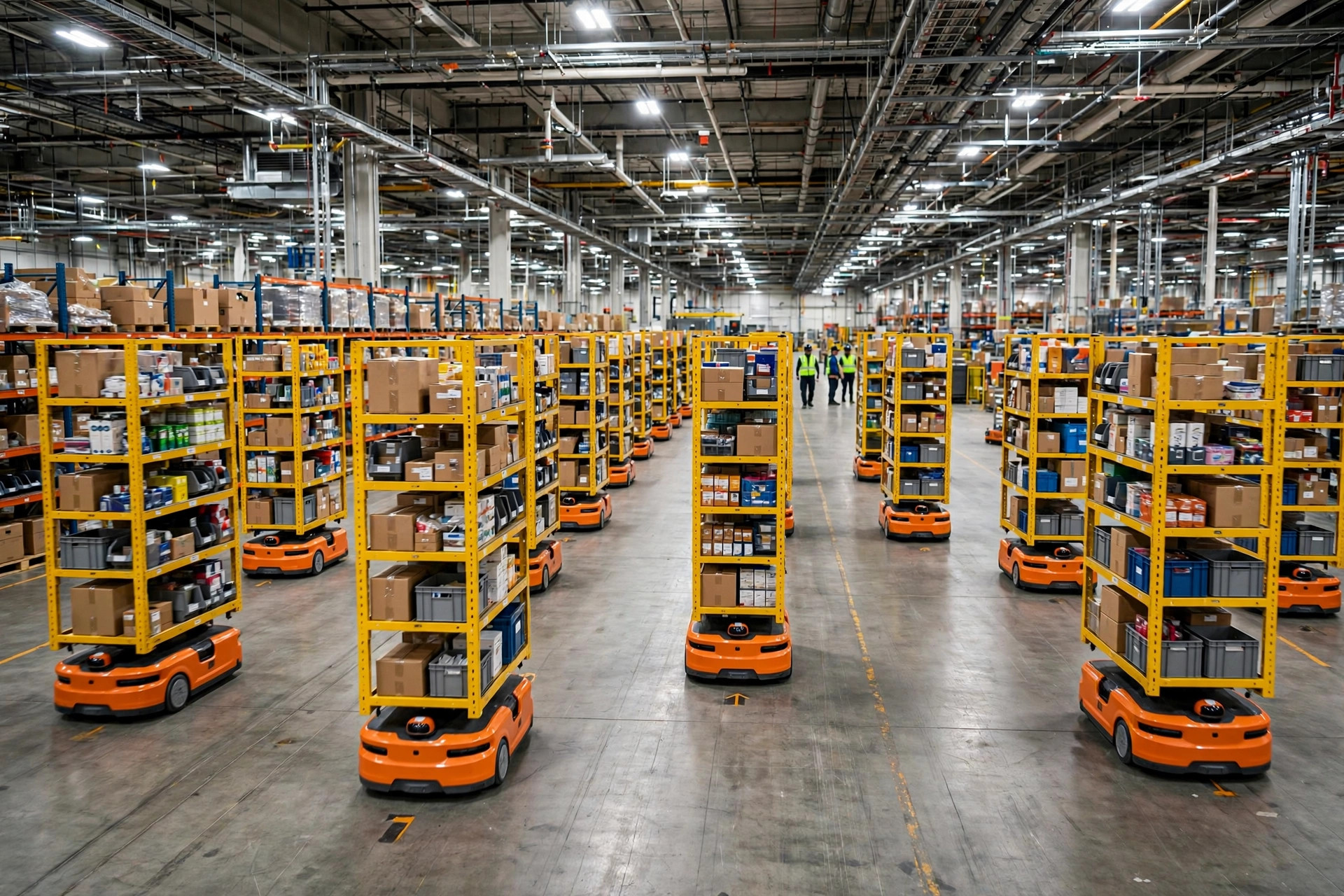
A US warehouse is table stakes, not optional. The 24-hour dispatch rule means your warehouse must be on US soil with highly automated order processing. Use a 3PL with API integration so orders push to the warehouse automatically — the less manual touch, the better.
One warehouse serving many channels is standard. The same US warehouse serves Target Plus, Amazon FBM, and DTC orders. Target's share is small but high-ticket and low-return, so its warehousing cost allocation is cheap. Key: tag channels in your WMS and give Target orders the highest dispatch priority.
Build a separate reverse-logistics flow. Target handles returns centrally, but the goods come back to your warehouse. Set strict refurbishment standards — Target's brand-buying customers return items in good condition, and refurbished resale margins are excellent.
Bottom line: Target Plus is a "special zone" for brand sellers. High bar, small volume, thick margins — get your US warehouse to a compliant 24-hour dispatch and you own the least competitive traffic in America.