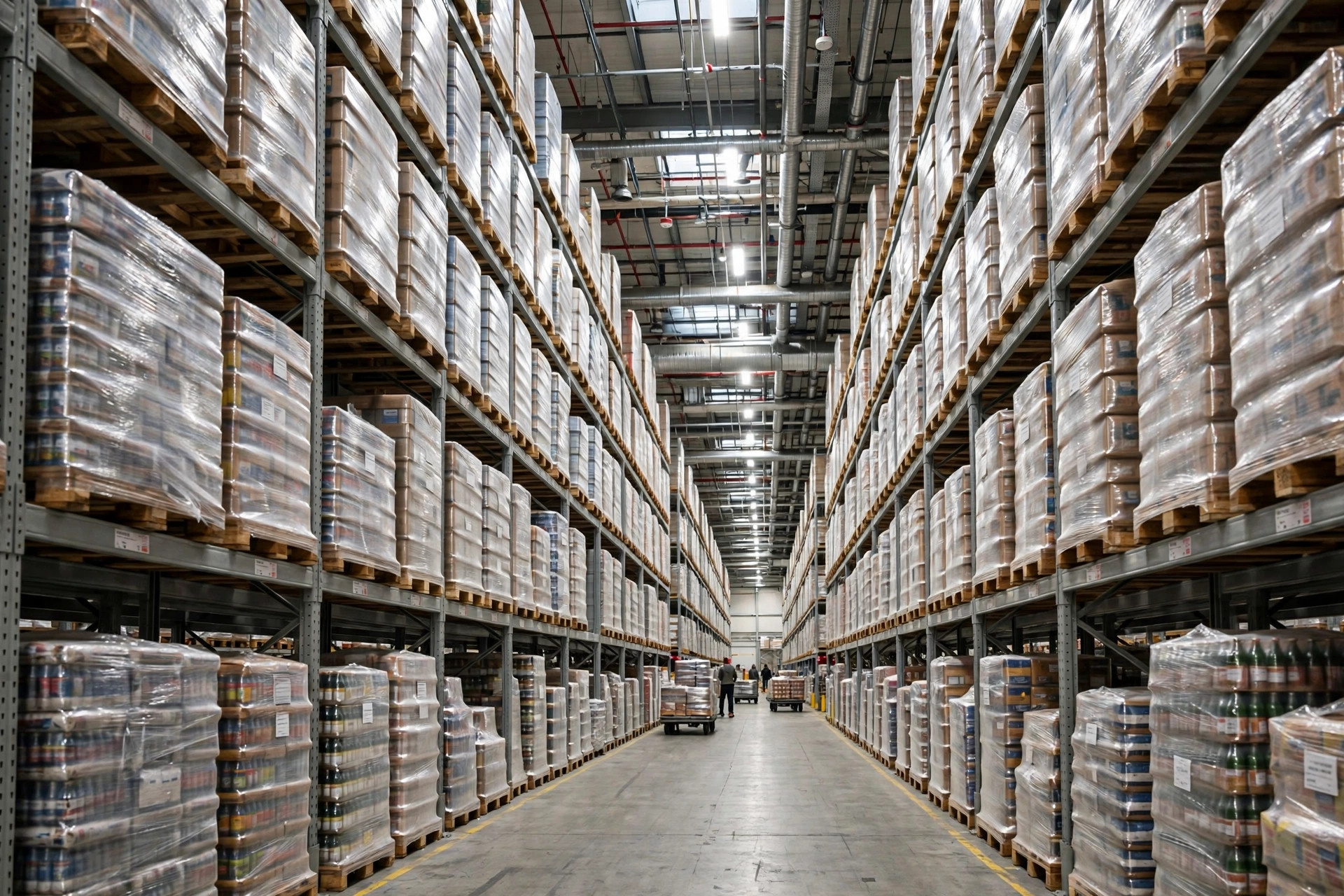
First, a cold splash of water: if you're looking for "how to register a Costco seller account" — stop. There isn't one. Costco has never been an open marketplace; in August 2026 it even shut down Costco Next, its only third-party online program. Selling at Costco doesn't mean "joining" — it means becoming a supplier and doing business with Costco's buyers.
Don't click away yet. I know a nut factory that got into Costco's regional test in 2023; a year later they were in 200 stores nationwide, doing $9 million a year through this one channel at 28% margin. Costco's logic: brutally high bar, massive volume, disciplined payment terms. It's a money printer for suppliers — and a lie detector.
My verdict up front: Costco isn't for small sellers wanting to "test the waters." It's for factory-type sellers with capacity, cost advantage, and the stomach for low margin at high velocity. Figure out which one you are before reading on.
What This Platform Actually Is
Costco is America's largest warehouse-club retailer: 800+ warehouses worldwide, membership renewal rates above 90% year after year. Its merchandising logic differs from every marketplace: extremely few SKUs (about 4,000 per warehouse — a fraction of Walmart's), one or two brands per category, and money made on ruthless inventory turns.
Three paths to sell at Costco:
First, into the warehouses: become a Costco supplier with product on physical shelves. Hardest path, biggest volume.
Second, onto Costco.com: some products run on a supplier-fulfilled model — Costco handles the storefront and checkout, you handle fulfillment. Lower bar than warehouses, and the first stop for many brands.
Third, regional tests (roadshows and demo tables): common for food — test in a handful of warehouses, expand if the numbers work.
My take: Costco is buyer-driven retail, not a platform. You're dealing with category buyers, not algorithms. Winning over a buyer matters a hundred times more than optimizing a listing.
Requirements: Supplier Standards, Not Seller Standards
Becoming a Costco supplier means preparing a different package:
- A US-registered company with complete manufacturing/supply-chain credentials (FDA and category certifications for food)
- A product that meets Costco's "value" bar: either the category's value king or genuinely unique
- Proven capacity: a Costco PO can mean dozens of containers — failing to deliver is worse than never getting the order
- Compliant packaging: Costco has dedicated specs (pallet dimensions, stacking standards, labeling)
- EDI capability: purchase orders, ASNs, invoicing all run on EDI — manual processing isn't an option
- Liability insurance: product liability coverage, with limits set by category
There's no "registration link." Entry is through Costco's supplier application channel or meeting buyers at trade shows (like Natural Products Expo). Reality check: a warm introduction from someone in the industry multiplies your odds.
How to Join: Six Steps
Step one, build the proposal: product story, pricing, packaging plan, capacity data, competitive comparison. It must answer the buyer's core question: why would members buy yours instead of the incumbent brand?
Step two, submit the application or reach the category buyer through your network and land a meeting.
Step three, the buyer meeting: bring samples, data, and factory video. Buyers ask detailed questions — cost structure, capacity ceiling, quality control processes.
Step four, small-batch test: usually a few warehouses or online first, watching velocity. Costco measures sales per square foot — slow movers get delisted with no second chance.
Step five, sign the supplier agreement: pricing, payment terms, return terms, promotional commitments. Note Costco's famously generous return policy — bake that cost into pricing.
Step six, EDI integration and first shipment: ship to Costco's logistics spec (appointments, pallet standards, labels), and you're officially supplying.

Fee Breakdown: Do the Math
Costco charges no commission and no monthly fee — it's a wholesale model; Costco makes its money on the buy-sell spread. (Compiled from public industry information — actual terms are negotiated.)
- Entry fee: $0 (but test runs, promo participation, and marketing spend are hidden costs)
- Margin structure: Costco asks suppliers to leave room for its markup — typically only 10–14% (versus 30–50% at conventional retail)
- Logistics: you ship full pallets to Costco's regional depots; freight is on you
- Return costs: Costco's member return policy is famously lenient — in high-return categories this is a major line item
- Promotional spend: holiday promos, demo tables, coupon events — suppliers share the cost
Do the math: a nut gift box costing you $8, supplied to Costco at $12 (leaving room for their markup), retailing at $13.99. Your margin: 12 − 8 = $4, a 33% margin. Less than retail? Sure — but one warehouse moves 200 boxes a day, and 200 warehouses means 40,000 boxes a day. Turns are the highest of any channel. Thin margin, massive volume — literally.
The flip side: get delisted and every dollar sunk into tooling, certifications, and test runs is gone. Payment terms typically run ~30 days, so cash-flow pressure is far heavier than on marketplaces.
Practical Tips: The Five That Matter Most
Design packaging to Costco spec from day one. Costco shelves are pallet-direct; packaging must be "open-and-sell" (PDQ tray displays). Walk in with standard retail packaging and the buyer shakes their head at first glance.
Leave promo room in pricing. Costco's price image is "always the lowest," plus coupon events on holidays. Build 5–8% promo elasticity into your supply price — don't bleed when the buyer asks for a markdown.
Data is the only language. Test-period velocity, repurchase rate, basket size — buyers only trust numbers. Turn your other channels' sales data into a one-pager for the proposal; it's the most persuasive material you have.
Go regional before national. Don't pitch all-US distribution on day one. Win 1–2 regions in test, and with good numbers the buyer will come to you about expansion. Small steps, high survival.
Buyer relationships are long-term work. Costco buyers don't rotate often; one good relationship lasts years. Share new-product plans and capacity expansions regularly — be the "reliable long-term partner," not the one-shot supplier.
Pitfalls: Four to Avoid
Lying about capacity is a death sentence. Take a Costco PO you can't fulfill and you don't just lose the channel — you earn a reputation across the industry. Estimate capacity conservatively; don't bluff to win the order.
Read the return terms word by word. Costco's unconditional member returns can push your return rate far above other channels. Have a lawyer review the return-cost allocation before signing.
Don't put every egg in one basket. I've watched a factory put 70% of capacity into Costco and snap its cash flow when delisted. Past 40% of revenue from Costco, diversify urgently.
Zero tolerance for quality swings. Member trust is Costco's lifeblood — one quality incident means full-category delisting. Incoming, in-process, and outbound QC must exist before the partnership, not after the first problem.
Logistics & Warehousing: My Home Turf
Costco logistics run at pallet scale — a different universe from every other marketplace's parcel scale:
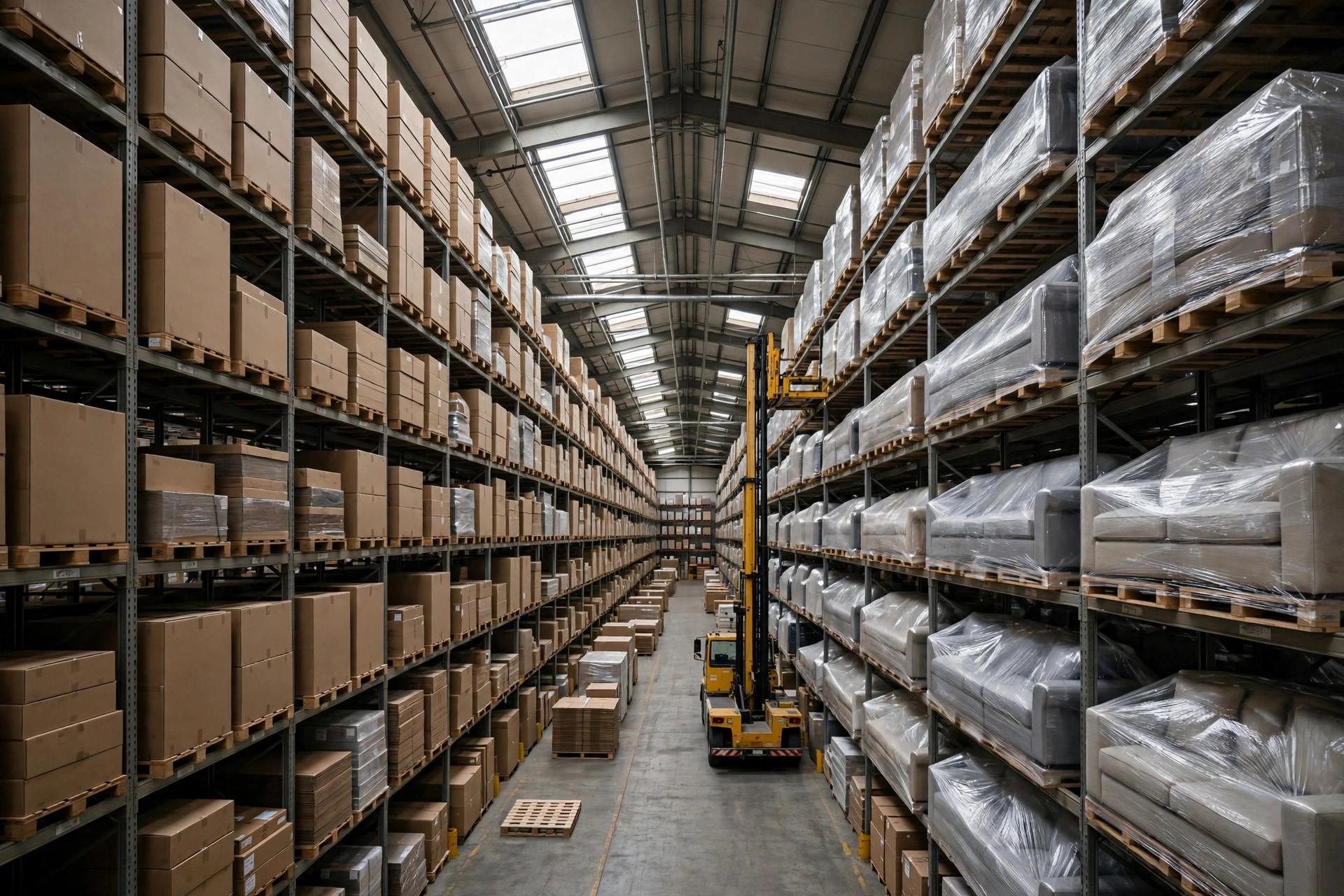
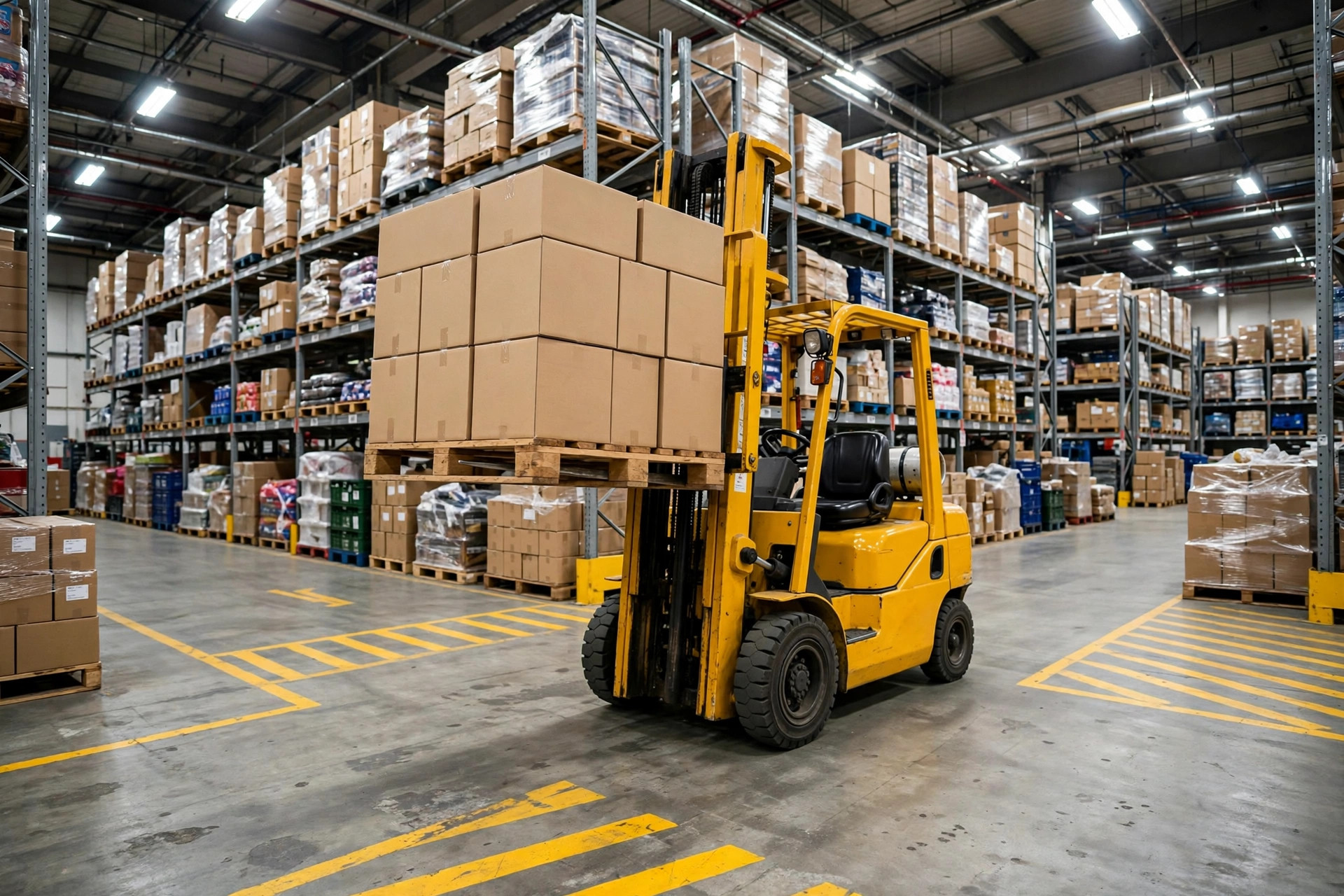
Depot delivery is the standard. Costco operates 10+ regional depots across the US; suppliers ship full pallets per buyer orders. Your warehouse needs pallet-position storage, full-pallet shipping capability, and appointment management. Small warehouses can't play — you need at least a mid-size pallet-capable operation.
Costco.com direct fulfillment is the light entry. If warehouses are out of reach, negotiate supplier-fulfilled on Costco.com: you ship parcels from a US warehouse, Costco brings the traffic. The bar is 2–5 day delivery — same as self-fulfillment elsewhere. It's a low-cost way to validate your product with Costco's demographic.
Design packaging and logistics as one. Costco's pallet spec (48×40" GMA pallets), stacking heights, and label positions are all standardized. Build these in at the product-design stage — ten times cheaper than reworking packaging later. My advice: use a 3PL that has served Costco suppliers; they know this spec cold.
Plan safety stock in weeks, not days. Costco order swings are violent — one promo week can move a normal month's volume. Keep 3–4 weeks of safety stock, 6 weeks before big promos. This is a capital-heavy game; your cash-flow model must reserve for it.
Bottom line: Costco is the final round of American retail. If capacity, cost, or quality has any weak link, stay out. If all three are strong, the volume here is something no marketplace can match.