Shein now outsells legacy US retailers in women's fashion by a wide margin. But let me pour some cold water first: Shein's third-party seller marketplace is not a print-money machine — it's the most supply-chain-hungry meat grinder in fast fashion. If your turnaround can't keep up, you'll walk in and pay tuition.
Verdict up front: sellers with apparel supply chains who can do small-batch quick replenishment will find Shein the fastest-growing incremental channel of 2026. Pure traders betting on stocked-up inventory should think twice.
What This Platform Actually Is
Shein grew out of China on the "small-batch, fast-replenishment" model, compressing the fast-fashion cycle to 7 days — Zara needs three weeks; Shein needs one. Starting in 2023, Shein opened third-party seller onboarding (Shein Marketplace) across the US, Brazil, and Europe, expanding from pure self-operated to a hybrid model.
The entire logic is one sentence: test, hit, replenish. New styles launch in small batches; winners get reordered within 48 hours; losers get delisted. Traffic allocation follows conversion data ruthlessly — no sentiment, no brand storytelling.
Apparel is the undisputed core, with home, beauty, accessories, and pet categories gaining ground as "Shein-adjacent" plays. One caveat: Shein's users are extremely price-sensitive young women. Low average order value is in the DNA — selling high-ticket items here means swimming upstream.
Getting In: Application-Based, Not Registration-Based
Unlike Amazon's "register and you're in," Shein Marketplace runs on approvals:
- A company business license (sole proprietors generally don't pass)
- Demonstrable supply-chain capacity in apparel or adjacent categories: factory info, capacity proof
- Brand qualifications or a clean authorization chain for certain categories
- A资质 review through Shein's Seller Center — measured in weeks
- A security deposit by category (check the latest official policy for amounts)
Cross-border sellers go through the China seller channel; US-local sellers use the domestic channel — the logistics requirements and settlement rules differ, so don't pick the wrong one at application time.
How to Get Set Up: Six Steps
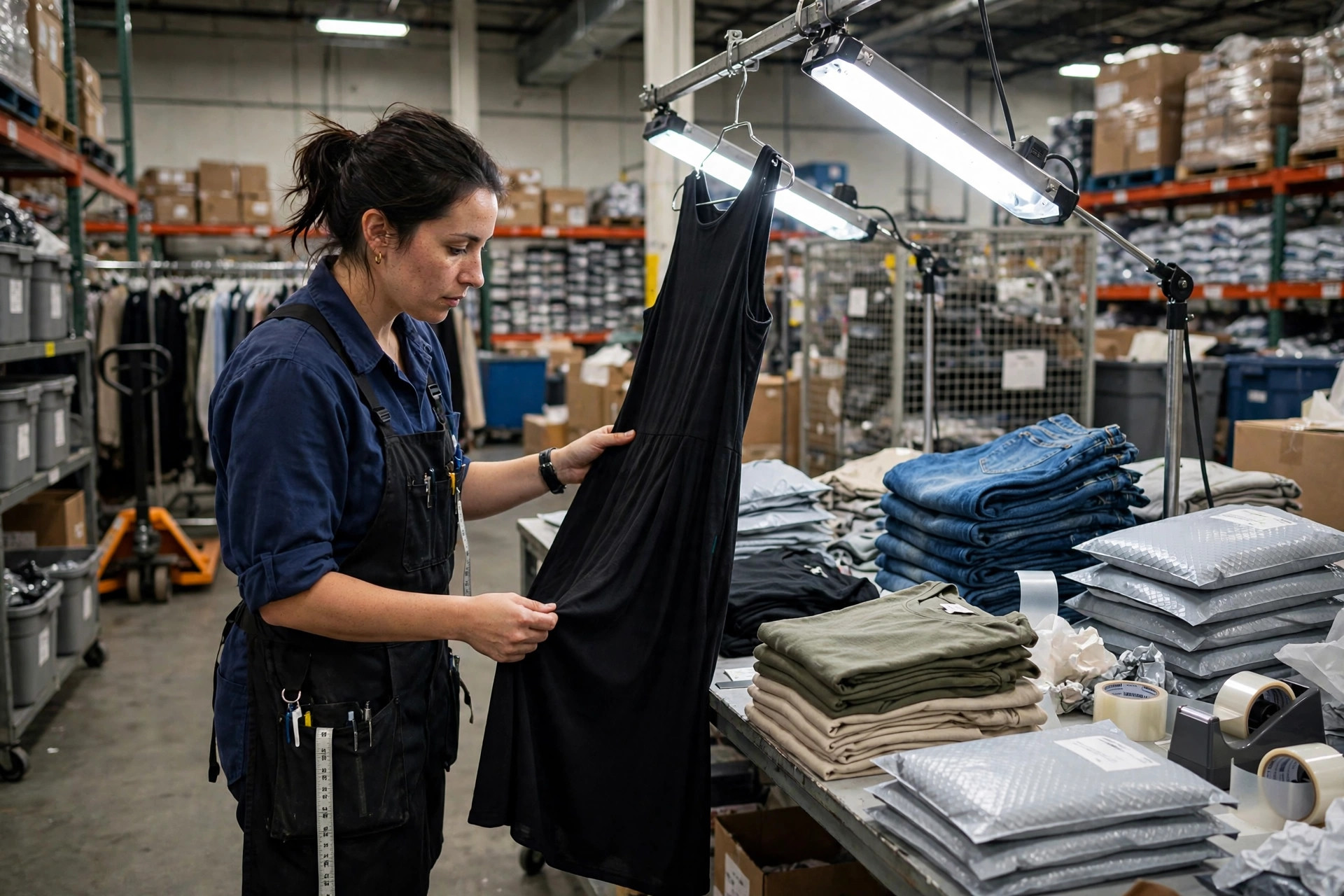
One, log into Shein's Seller Center and submit your application, choosing the right site and seller type. Two, upload your business license, legal-rep ID, brand credentials, and related documents. Three, wait for review — the most grinding step; incomplete materials get bounced, so prep against the checklist. Four, sign the contract and pay the deposit once approved. Five, finish shop setup: payout account, return address, customer-service contacts. Six, submit products — images, pricing, inventory — and wait for product approval before going live.
Application to first listing takes 3–4 weeks when smooth. Product review is ongoing: non-compliant images or missing size charts get bounced.
Fee Structure: Let's Do the Math
Shein Marketplace fees look simple; the hidden costs sit in inventory (rates per the latest official policy):
- Commission: by category, roughly 10% for apparel, varying by category
- Security deposit: one-time, refundable on exit
- Logistics: sellers cover getting goods into Shein's fulfillment flow; first-mile is on you
- Promotion: on-site ads are performance-based — skip them and you get no incremental traffic beyond organic
The math on a $15.99 dress costing $5 ex-factory: ~$1.60 commission at 10%, ~$2.50 allocated first-mile and platform logistics. You net ~$11.90, margin ~$6.90, about 43%. Looks fine? But Shein's apparel return rate is famously 30%+ — one return's reverse logistics and relisting cost can eat the profit of 3–5 full-price orders. Running Shein numbers without the return rate is not running the numbers at all.
Tactics: Five Survival Rules
Volume of test launches beats everything. The Shein playbook is "cast a wide net": dozens or even hundreds of new styles per week, letting data surface winners. Sellers launching 10 styles a month have no presence here.
First orders stay small; reorders must be fast. 100–200 units to test; if the data pops, you need replenishment capacity within 48 hours. A supply chain that can't keep up turns winners into stockout one-star reviews.
Shoot images the Shein way. White background + on-model shots + detail close-ups is the standard; artsy product photography converts at the bottom here. Size charts must be complete — US buyers have zero tolerance for sizing surprises.
Lock into the price band. Study your category's price distribution; hero SKUs must land inside the platform's mainstream band. Two dollars too expensive can halve your traffic — that's the Shein reality.
Mine your return reasons. The return-reason dashboard in the backend is the best product-development guide you'll ever get — "runs small" three times means fix the pattern now, not after reviews bury the listing.
Pitfalls: Four Expensive Ones
Image and design infringement. Fast fashion has more IP disputes than you'd think. Borrowed design images or celebrity-lookalike shots mean delisting at best, account bans at worst. Original or licensed patterns are the only durable play.
Betting the warehouse on one style. Seeing good data and stocking 5,000 units is the classic rookie death. Shein hit cycles are measured in weeks — split reorders into three batches rather than going all-in once.
Ignoring compliance. US apparel rules on flammability, formaldehyde, and labeling (care labels, fiber content, origin) are hard law. Failed spot checks mean whole-batch delisting and possible fines. Choose fabric suppliers on more than price.
Running Shein like Amazon. The operating logics are opposites: Amazon rewards listing authority built over time; Shein rewards launch velocity and conversion data. Porting the "nurture the listing" playbook over buys you three months of nothing.
Logistics & Warehousing: Fast Replenishment Is Life
Shein-mode logistics has one requirement: speed. Two layers:
First-mile and inbound must be clocked. From order to saleable, shorter is better. Sellers with means should run a US front warehouse: small-batch air replenishment from China, 2–3 day delivery to buyers. Pure cross-border direct shipping loses to domestic-warehouse sellers on transit time — and on traffic allocation.
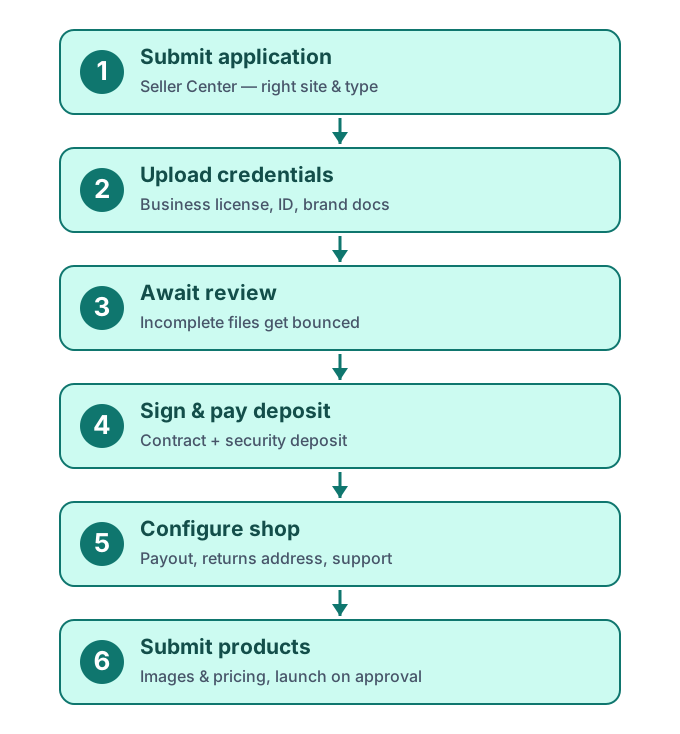
You need a returns warehouse. At 30%+ return rates, no US return address is suicide. Returns need fast QC and relisting — a returned dress with a quick steam-press is resaleable, and that's a real profit line. Find a 3PL that handles returns processing (inspection, pressing, repackaging); anyone who's run the return math knows what that service is worth.
Warehouse management for the SKU explosion. Dozens of new styles a week means 10,000+ SKUs within half a year. A small warehouse without a WMS will drown in find-the-goods chaos. SKU coding rules, slotting discipline, FIFO — build all three before joining Shein, not after you blow up.
Bottom line: Shein is a supply-chain arena, not an operations showcase. Factory-type sellers, this is your home field. Traders: get your supply chain in hand before you walk in.