
A $9.90 desk lamp with free shipping on Temu. A $0.99 phone case. Behind the buyer frenzy, the question I get asked most is: do sellers actually make money?
Verdict up front: Temu isn't "open a shop and sell" in the traditional sense — it's a supply model. Supply-chain sellers who accept the fully-managed/semi-managed rules and can squeeze costs to the bone can move serious volume here. If you want brand-building, price control, or pricing power, walk around.
What This Platform Actually Is
Temu, from the PDD Holdings stable, launched its US site in September 2022 and rode the fully-managed model into the top of America's download charts within two years. Its model differs from every mainstream platform:
Fully-managed: sellers only supply goods and ship to Temu's domestic warehouses (or overseas warehouses). Pricing, marketing, customer service, after-sales — all handled by the platform. You quote a supply price; Temu handles the rest.
Semi-managed: pushed hard since 2024 — sellers ship from US domestic warehouses, keep a bit more operational control and slightly more pricing power. Built for sellers with US inventory.
Understanding that distinction is lesson one: in fully-managed you're a "supplier"; in semi-managed you're half a "seller."
Getting In: Low Bar, Tight Screening
- A company business license (sole proprietors accepted in some categories — check current policy)
- Legal-rep ID and bank account details
- Stable supply capacity: Temu looks at your output and category fit
- A security deposit by category (check the latest official policy)
- Semi-managed extras: US warehousing and shipping capability, with on-time performance up to standard
Temu's review doesn't ask "who are you" — it asks "are your goods good enough": competitive pricing, capacity that keeps up, quality that passes. A platform that squeezes price to the extreme reviews with extreme pragmatism.
How to Get Set Up: Five Steps
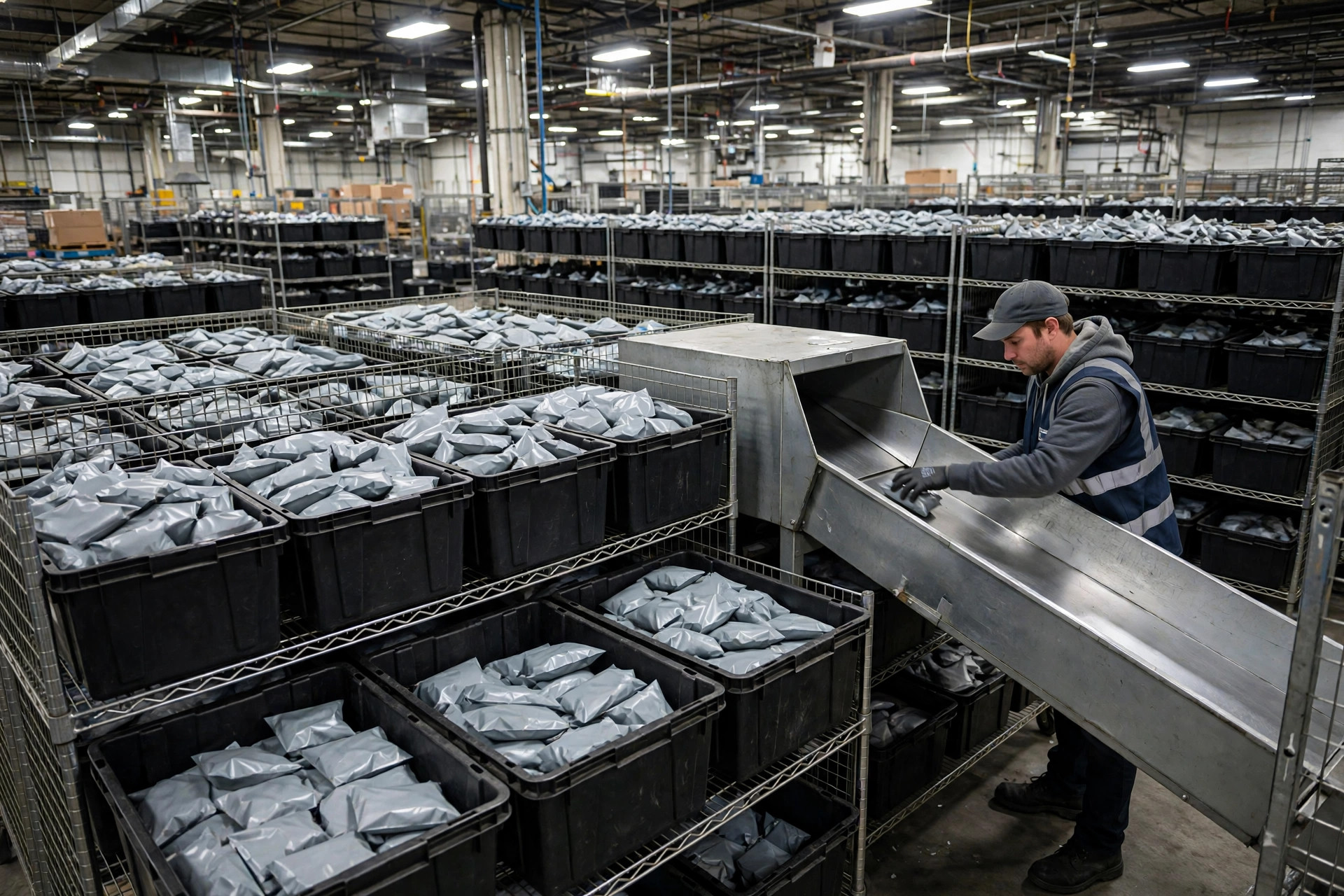
One, register at Temu's Seller Center and choose fully-managed or semi-managed. Two, submit your business license, legal-rep info, and bank details. Three, pay the deposit and sign the cooperation agreement. Four, submit products: upload images, fill in your supply price and stock quantity, and wait for price review — Temu's buyers will negotiate with you, so come mentally prepared. Five, once pricing clears, ship goods to the designated warehouse per instructions (fully-managed goes to domestic consolidation warehouses; semi-managed stocks US warehouses), and you're live.
Registration to launch takes 2–3 weeks when fast. The slowest link is price negotiation: Temu's buyers are brutally price-sensitive, and two or three rounds of back-and-forth is normal.
Fee Structure: Let's Do the Math
Temu's fee structure looks nothing like traditional platforms (per the latest official policy):
- Fully-managed: no traditional commission — your profit is simply "supply price minus cost," and pricing power sits with the platform
- Semi-managed: a technical service fee/commission applies; check the latest official policy for rates
- Security deposit: one-time, refundable on exit
- Logistics: in fully-managed, the platform handles the cross-border leg; sellers cover getting goods to the domestic warehouse. In semi-managed, domestic shipping is entirely the seller's cost
Fully-managed math: a phone case costing $1.20 ex-factory, quoted at $1.80 supply price, retails at $3.99 with free shipping. Per-unit margin: $0.60, 33%. Thin? But Temu can move 5,000 units a day for you — $0.60 × 5,000 = $3,000/day. Razor-thin margins at extreme scale are still a fortune. Flip it: if your cost is $1.70 and you can only quote $1.90, you make $0.20 a unit — $1,000 a day on 5,000 orders, not worth the trouble. That's the Temu truth: cost structure decides everything; operating tricks have almost no room to matter.
Semi-managed math: a $12.99 home gadget, ~$3.50 domestic shipping from a US warehouse, ~$0.65 platform service fee at 5%, $4.00 product cost. Per-unit margin ≈ $4.84. Thicker than fully-managed — but you manage inventory, shipping, and after-sales yourself.
Tactics: Four That Decide Survival
Cost accounting down to the cent. Temu's price negotiation grinds downward round after round. Your floor price must be locked in advance: materials, labor, packaging, first-mile, shrinkage, returns — miss one line item and the negotiated price is a loss-maker.
Hero-product thinking, single-SKU breakthroughs. Temu traffic concentrates brutally: 80% of a shop's sales come from 20% of SKUs. Better to perfect the pricing and supply chain of 20 potential hits than to list 500 SKUs.
Semi-managed is the 2026 window. Fully-managed price wars are down to the bone; semi-managed domestic shipping wins on speed and experience, and the platform is steering traffic there. Sellers with US warehouse resources should prioritize semi-managed.
Stock to the promo calendar. Temu mega-sales (Black Friday, Christmas, back-to-school) run multiples of normal traffic — stock 45 days out. Stockouts are punished hard on Temu; a hero SKU going dark hands the slot to a competitor.
Pitfalls: Five to Avoid
Going soft in price negotiation. The buyer says "drop 5% more and I'll feature you on the homepage" — you drop, then realize you're losing money, and the supply agreement is already signed. Your floor is a red line: write it down before negotiating and don't move on the spot.
Failing quality spot-checks. Temu's QC is fly-by inspection style; a failed batch gets returned in full, freight on you. Don't leave QC to luck — pre-inspect against platform standards before shipping.
Doing fully-managed with zero brand equity. In fully-managed mode, buyers remember Temu, not you. Long-term pure fully-managed means working for the platform — run semi-managed or a standalone site in parallel to keep some customer assets in your own hands.
Ignoring IP. Cheap white-label goods are the easiest infringement targets — cartoon characters, logo variants, one complaint and you're delisted. Temu's infringement tolerance is zero.
Cash-flow rupture. Temu's settlement cycle plus stocking cycle ties up more capital than expected. A 100,000-unit hit means stocking cash goes out first and comes back after the payment term — if you can't model cash flow, a blowout order is a blowout.
Logistics & Warehousing: Two Models, Two Playbooks
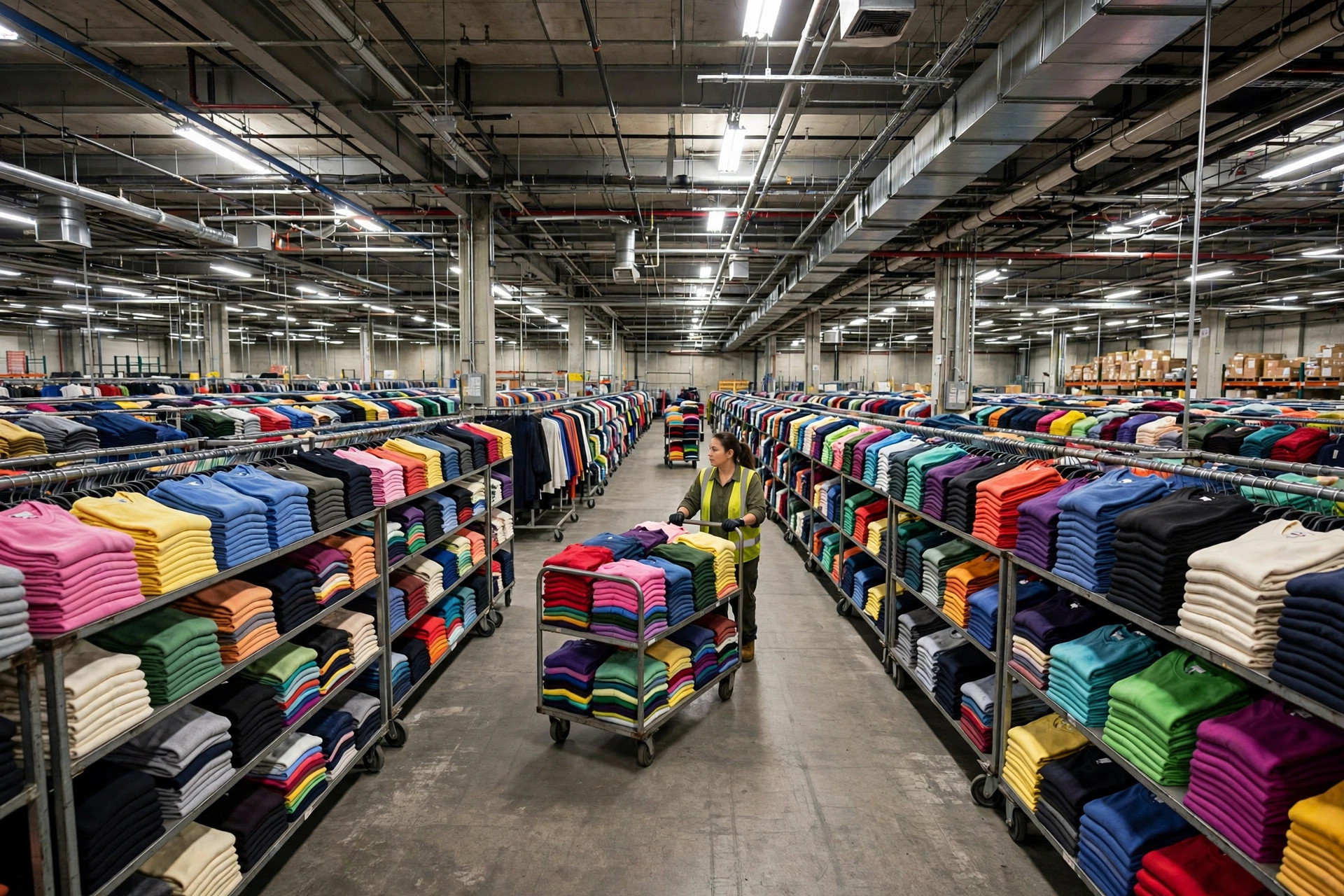
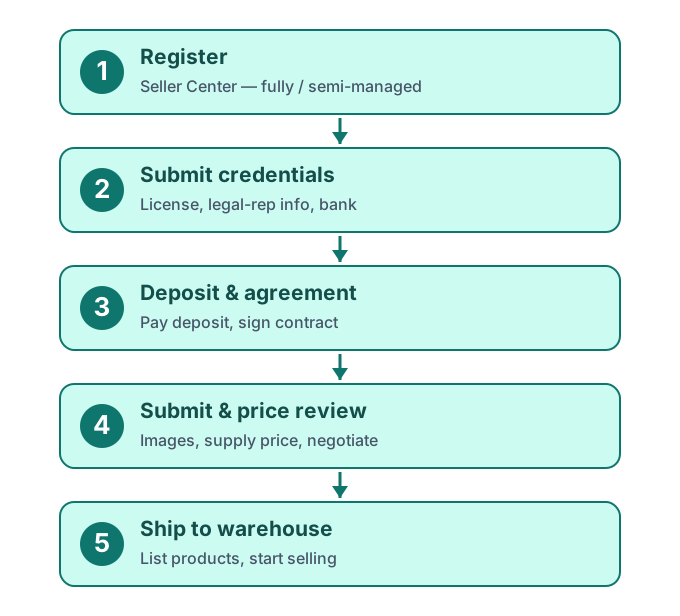
Fully-managed: domestic warehouse + consolidation is the base game. Goods go to Temu's designated domestic consolidation warehouses; cross-border, customs, and last-mile are the platform's problem. Your job is minimizing landed-to-warehouse cost: standardized packaging, maximized carton fill rates, tiered freight forwarder pricing. Don't underestimate fill rates — 10% more units per container is real per-unit profit.
Semi-managed: the US domestic warehouse is the decider. Transit time (2–5 day delivery), returns handling, restock speed — all hinge on the domestic warehouse. Pick on three criteria: location (near your core sales regions, at least one each on West and East Coast), systems (can the WMS integrate with your ERP), and returns capability (QC and relisting).
Overseas-warehouse stocking model. Semi-managed's twin killers are stockouts and overstock. Run "safety stock + rolling replenishment": first batch sized to 30 days of sales, then weekly top-ups against sell-through. Temu demand swings hard — better to air-freight top-ups in batches than to gamble 90 days on one ocean shipment.
Bottom line: Temu is a cost game, not an operations game. Every dime squeezed out of the supply chain is real money under Temu's volume leverage. If you can't squeeze cost, you're here to keep someone else's seat warm.