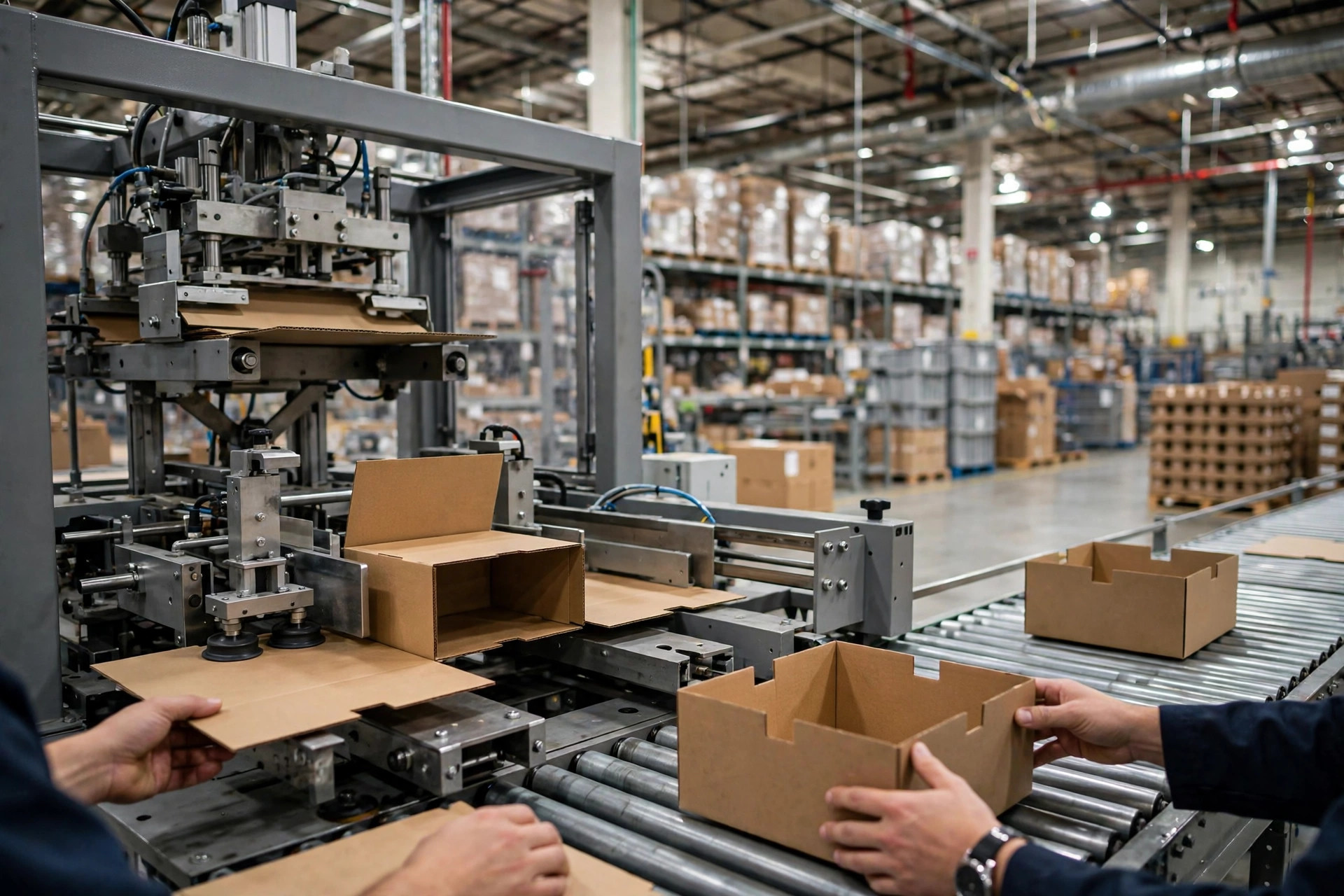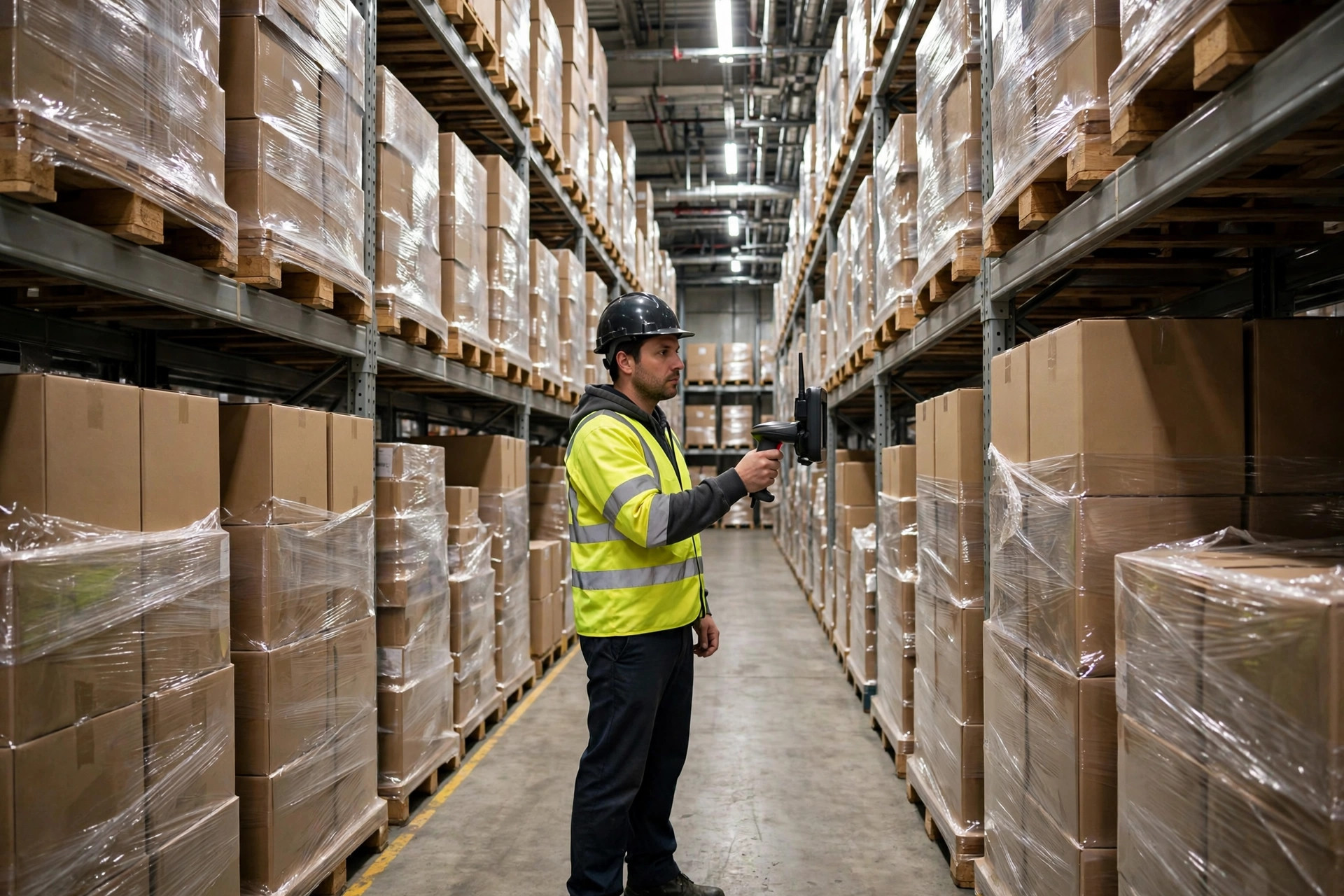
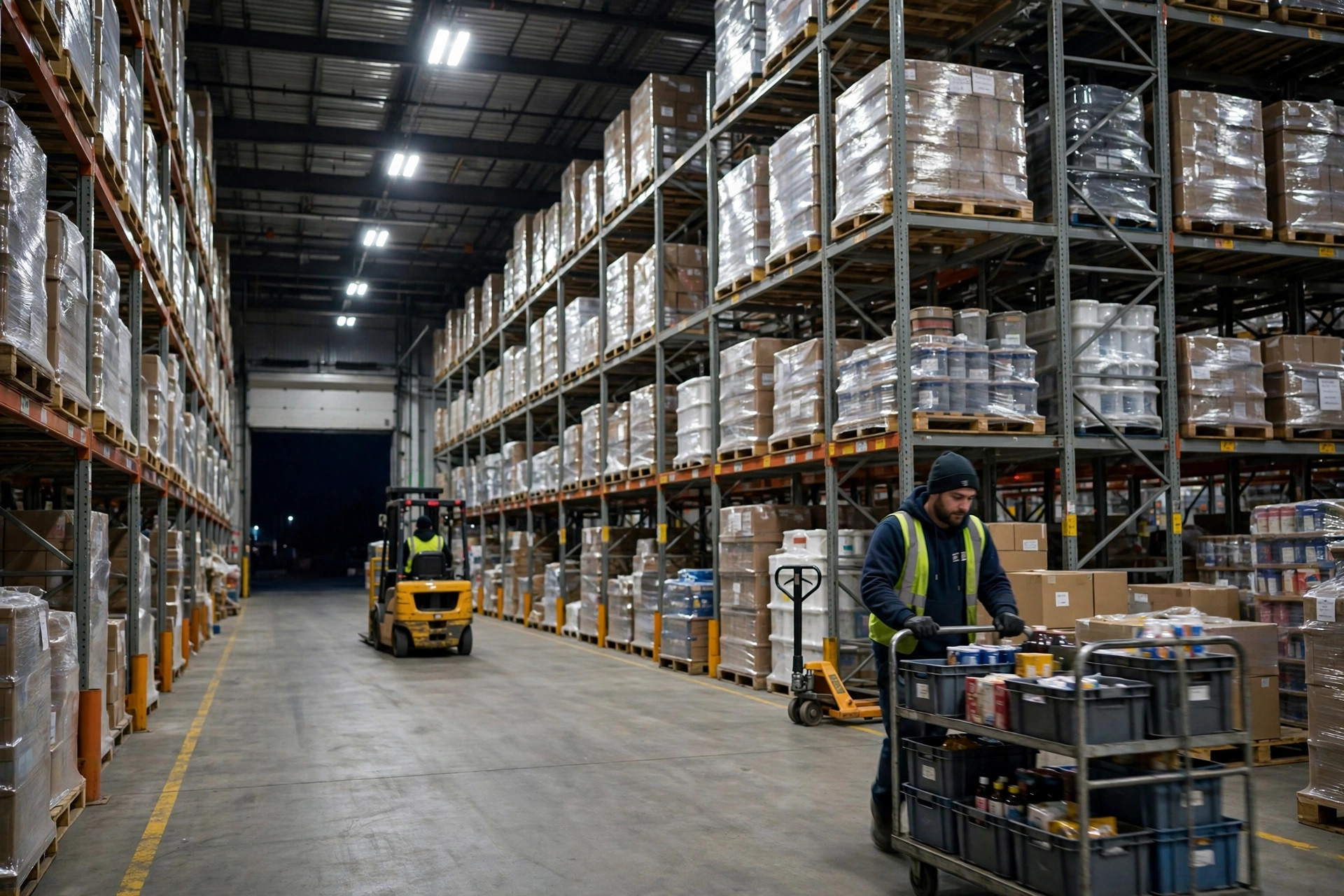
In the fall of 2023, I walked into a 120,000-square-foot 3PL warehouse in Fontana, California, for an operational assessment. The operations manager's opening line: his 18-person night crew was underperforming — pick rates at barely 60% of day shift — and he was about to replace half of them. I asked him to hold off, and spent three nights on the floor with the crew.
Here's my verdict up front: at that building, the people were at most 30% of the problem. The other 70% was unfinished business from the day shift and the system, dumped on 18 people working through the night. Replacing the crew is the most expensive fix you can buy, and the least effective one. Bring in 18 fresh faces and they'll fall into the same holes — three months later, you'll be replacing them too.
Do the math first
Day-shift pickers at that building earned $21 an hour. The night shift differential added $3, bringing nights to $24. Eighteen people, eight hours: $3,456 in wages per night. Day shift averaged 118 units per hour (UPH); nights managed 74. Convert that to labor cost per unit: $21 divided by 118 is about $0.18 on days; $24 divided by 74 is about $0.32 at night. Every unit picked overnight cost roughly 80% more in labor than the same unit picked during the day.
Money spent, output missing. The manager's instinct said "bad people." But when I broke that 74 apart, most of it wasn't slow picking. It was not picking at all — waiting on replenishment, waiting on waves, waiting on freight, waiting on someone with the authority to make a call. The idle time added up to more than the actual picking time.
The day shift's unfinished business comes due at midnight
Night shift started at 10 PM. On my first night, 12% of forward pick slots were empty. One in eight slots had nothing in it, but the system released orders anyway. Pickers walked to the location, found air, and either stood around waiting for replenishment or reported a short and looped back. I estimated the wasted walking at roughly two kilometers per picker per night.
Why empty? Replenishment belongs to the forklift drivers, and the day-shift drivers spend their last hours staging full pallets for the next day's day shift — that's what their shift is measured on. Night replenishment requests go to the bottom of the list. Day shift hits its numbers; night shift inherits the holes.
Worse was the wave release timing. Carrier cutoff was 6 AM, but waves didn't drop until 9 PM. Night shift clocked in at 10 PM with barely an hour of work for 18 people — some picking, some wandering the aisles. We moved wave release to 7:30 PM so the crew started the night with three solid hours of work in the queue. That single change killed the dead time in the first half of the shift.
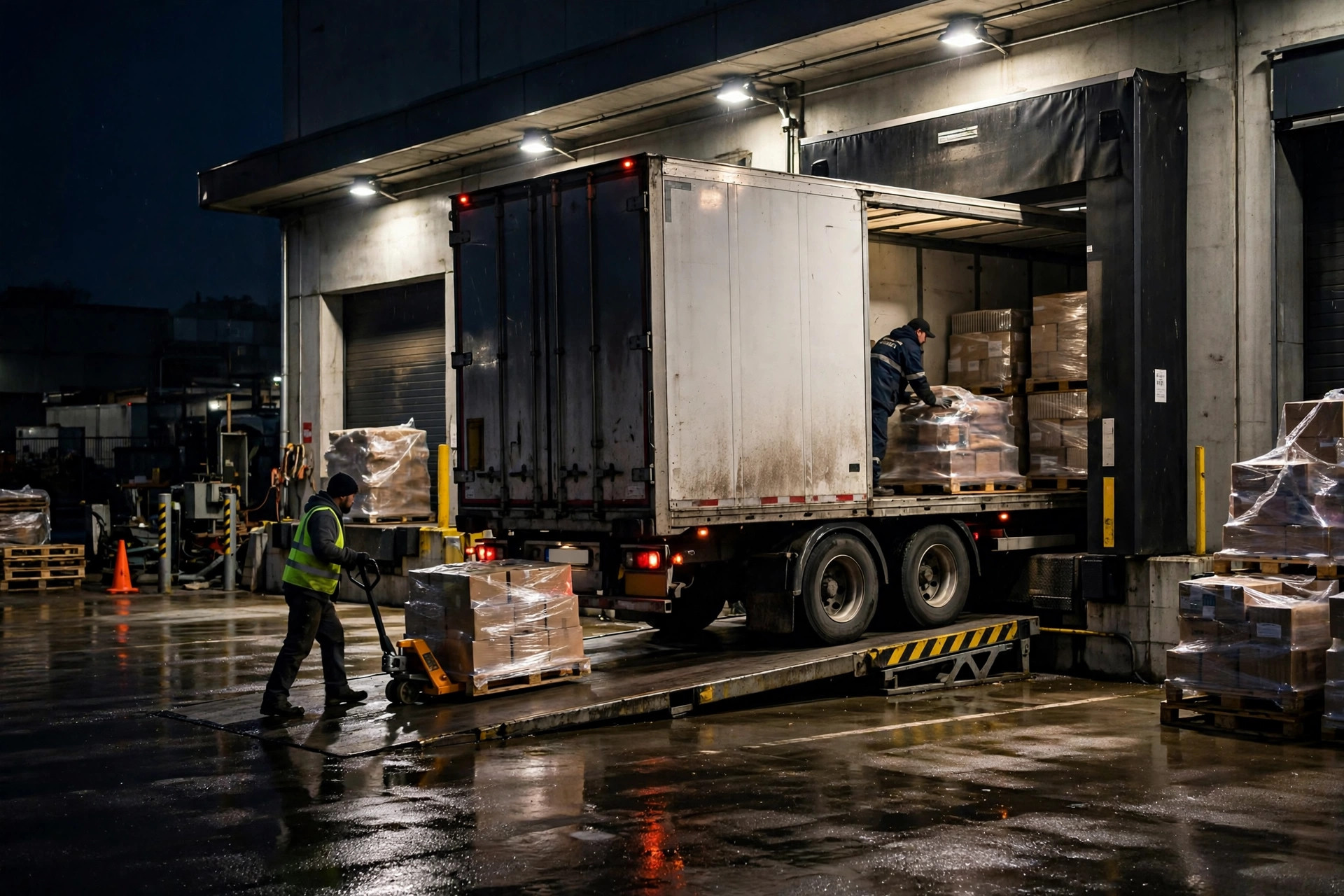
Then there's inbound. Carriers love arriving at night — daytime freeway traffic in Southern California is brutal, so drivers cluster between 11 PM and 3 AM. On my second night, five trucks were backed up outside with two receivers on the dock. Trailers queued in the yard while unloaded pallets, with nowhere to stage, piled up in the main aisle. Pickers couldn't get their carts through. Forklifts couldn't get through either. Receiving and picking fought over the same aisle, and UPH never stood a chance.
That wasn't lazy receivers. Staffing was built on average inbound volume, and nobody had planned for the nighttime peak.
Two quieter killers, both self-inflicted by management. Lighting: to save on the power bill, only half the high-bays were on at night. Pick locations were dim, scan guns missed on the first try, and workers had to re-aim — three to five seconds per order. Temperature: the heat was turned down overnight in winter, so people wore thick gloves to operate scanners and terminals, and mis-scans multiplied. Together I'd estimate those two ate 5 to 8% of efficiency. Savings on the utility bill, paid for many times over in labor.
Nobody at night can say yes
The building had no night supervisor — just a "senior associate" earning $1 an hour extra, with zero authority to resolve exceptions. Damaged product, shorts, system-locked slots: he couldn't touch any of it. He wrote it all down and waited for the day supervisor to arrive in the morning. I pulled the system data: exceptions sat an average of nine hours overnight.
For nine hours, the blocked slots couldn't be picked, the affected orders couldn't ship, and pickers routed around the problem, fragmenting wave integrity and creating rework for the morning crew. Nobody ever calculated the cost of those nine hours, but everybody paid it.
So the chain looks like this: day shift leaves replenishment unfinished, so nights start short on stock; waves release late, so the first half of the night idles; inbound peaks at midnight against a skeleton receiving crew, so aisles clog; nobody can authorize exception handling, so problems sleep for nine hours; lighting and heat get discounted, so scanning and handling slow down. The people are one small link in that chain.
Three things you can copy tomorrow
The prescription I gave that building was three things, all directly copyable.
First, a pre-shift checklist. Thirty minutes before start, the night lead checks off every item — no green light until all pass: tonight's waves released with three hours of work; hot-SKU slot fill verified, empty rate under 3%; prior-shift exceptions cleared or handed over in writing; tonight's appointment count confirmed with receiving staffed to the peak; all high-bays confirmed on; forklifts charged with spare batteries staged. The list hangs on the night office wall, the lead signs it, and a photo goes to the team chat. It sounds trivial. It turns "ready for night shift" from a vibe into a standard.
Second, a one-page day-to-night handover SOP. Every day at 5:30 PM, the day supervisor fills it out: incomplete replenishments, down to the slot number and SKU; open exceptions with case numbers and status; tomorrow's wave release plan and expected volume; equipment issues — which forklift, which scan gun. The night lead countersigns, and both stand through a 15-minute handoff meeting. Day shift used to clock out and walk away, leaving nights to discover the holes. Now the holes get written down — and anything unwritten, the day supervisor has to explain first.
Third, staff to the inbound curve, not the average. Pull 30 days of hourly receiving volume: four receivers from 11 PM to 2 AM at the peak, two after 4 AM. Labor follows the freight, not the clock.
Two months later, night UPH at that building went from 74 to 96. Not one person replaced. Labor cost per unit fell from $0.32 to $0.25. The manager later told me the best money he spent was hiring a real night supervisor — $4 an hour above base pay — and exception resolution time dropped from nine hours to forty minutes. That $4 was the best-spent labor dollar in the building.
One more note on scheduling: fixed nights beat rotating shifts. People on a two-week rotation never adjust; they're permanently jet-lagged. Fixed nights with a real differential work. In 2024 I saw a warehouse in Ontario move nights to four 10-hour shifts — four on, three off — and night UPH rose 9% while turnover fell. People will take a predictable night shift for predictable money. Nobody wants to lose sleep over not knowing whose turn it is next month.
Here's something you can do tonight: have your night lead log one metric for three days — non-picking wait time per picker per hour. Minutes waiting on replenishment, on waves, on exceptions, on blocked aisles. After three days, put the numbers on the table. You'll see exactly how much of this is a people problem. Then decide whether those 18 people really need replacing.