The week after Black Friday last year, the customer service lead of a personal-care e-commerce brand called me, voice completely hoarse: more than 300 cancellation requests that day, and the warehouse had only intercepted about half. The rest all shipped. They came back as returns, and outbound-plus-returns processing burned close to twenty thousand dollars. The warehouse wasn't slacking — their OMS simply had no cancellation-intercept flow designed into it. By the time the cancellation reached the warehouse system, the parcels were already on the conveyor to the truck. Money spent, goods shipped, and angry customers: "I cancelled — why did you still ship it?"
The cancellation cutoff sits on two pins
The first design decision for cancellation intercept is two cutoff points in the OMS.
Pin one: wave release. The moment a wave is released, the order enters execution. Cancel before that and it's a "direct cancel" — the OMS voids the order, no WMS task ever existed, inventory is released in place, zero cost. Cancel after that and it enters the "intercept flow" — whether you can stop it, and how, depends on how far the order has traveled.
Pin two: carrier handoff. Before the parcel changes hands to the carrier, interception still pays; after handoff, the intercept cost (fee plus labor) is usually higher than "just ship it and take the return." Don't hard-code this second cutoff — sync it daily from the carrier pickup schedule. Three pickups a day in peak season, one in the off season; the cutoff moves with it.
Many brands promise "free cancellation within 30 minutes of ordering" on their storefront. Those 30 minutes have to line up with the wave plan. My take: if your waves release hourly, an order placed 15 minutes ago may already be in a wave, and the 30-minute promise is a bad check. The honest approach is a dynamic window computed from the next wave release — show "enters picking in about X minutes" on the page. Customers understand it, and support tickets drop.
Picking, packing, verified — a different move at each stage
Interception isn't a matter of shouting "don't ship it." The move depends on where the order is:
Wave not yet released: the easy one. The OMS voids it directly, the WMS task is cancelled, inventory is released in place. This is the cheapest interception there is — the goal is to catch as many cancellations as possible at this layer.
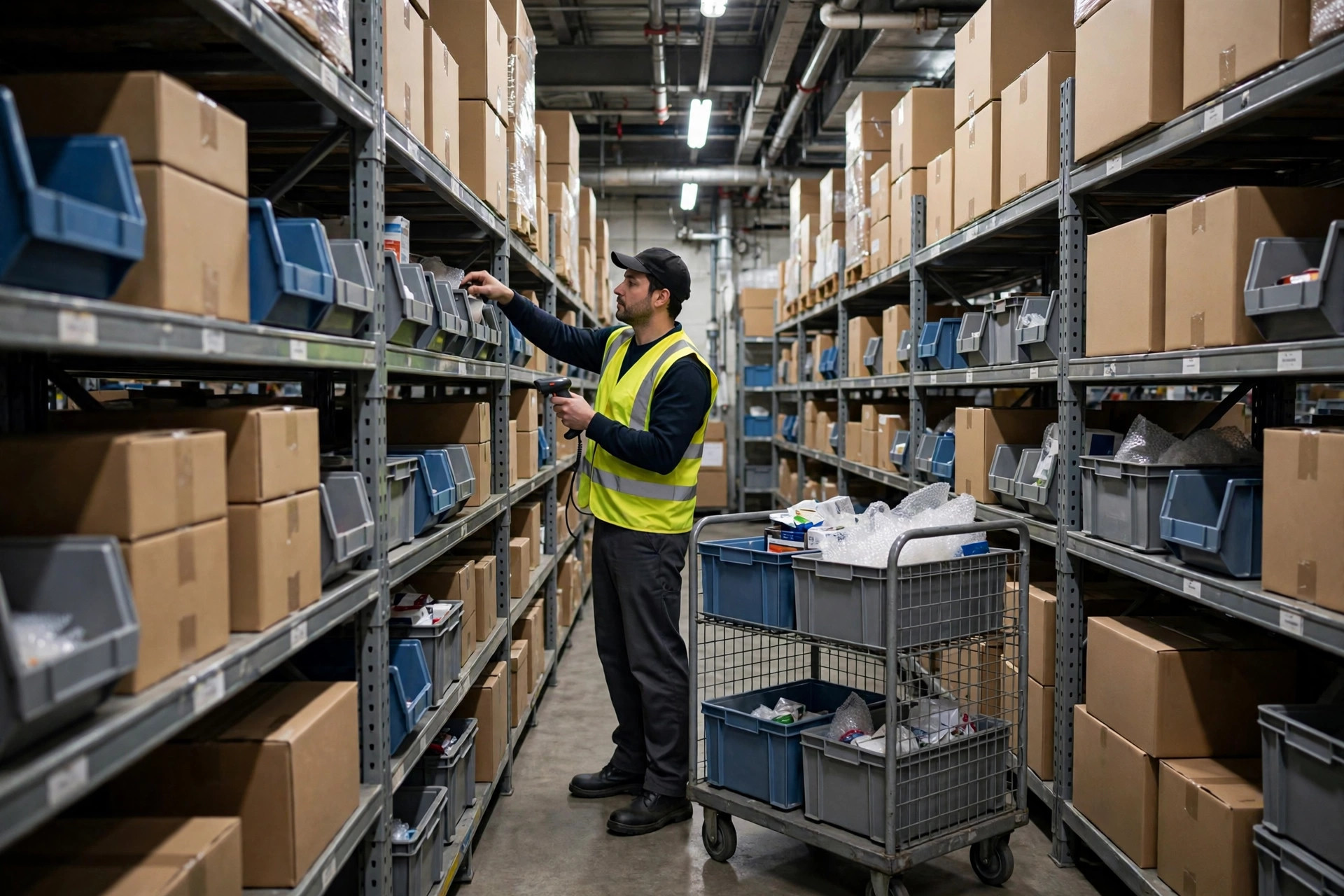
In picking: the WMS flags the pick task as "cancel-intercept" and pushes it to the picker's handheld within five minutes, voiding the task at the top of the queue. Shouting across the floor or radioing it in is too slow and guaranteed to miss some. Items already picked go to an exception staging area, and the shift lead re-slots them in a batch every hour. One discipline matters here: every re-slot gets a scan confirmation. Toss it on a shelf by hand and your inventory accuracy is gone.
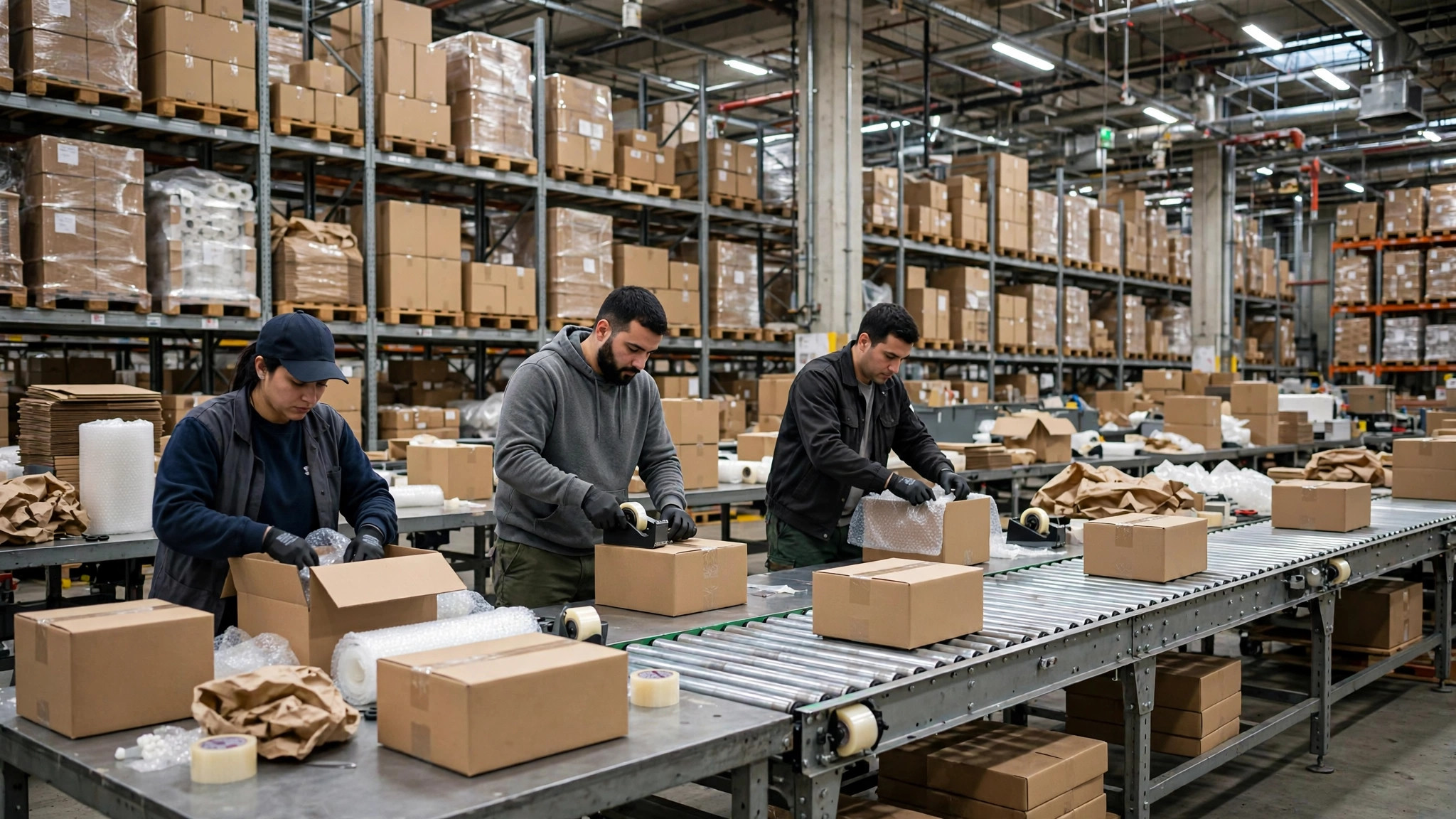
In packing: the pack station screen pops an intercept alert, the parcel gets an "intercept" tag and goes into a holding cage; if it's already sealed, open it, return the goods to stock, scrap the packaging. Don't cry over a few cents of carton and label — one wrongly shipped parcel costs more in round-trip freight than a roll of cartons.
Verified, labeled, not yet handed off: void the shipping label, move the parcel into a cancel-intercept zone, and open and re-slot everything in one batch before end of shift. The thing most often missed at this stage is the label void — an unvoided label still bills from the carrier. Money deducted, interception wasted.
When it can't be stopped, keep the reverse flow tidy
Once the carrier has the parcel, there are two roads. One: the carrier's package intercept service — most major carriers offer it, for a fee; you file the intercept in the carrier's system and the parcel gets pulled at a hub and sent back (check each carrier's site for current fees and rules). Two: do nothing and let it come back as a refused delivery or return. My take: if the order value is below the intercept fee, don't intercept — shipping it and taking the return is cheaper. Build this math into the OMS as an automatic rule — order value vs. intercept fee vs. return processing cost, system decides. Don't make support agents do the arithmetic by hand; hand math will be wrong.
Returned parcels go through the normal returns flow: inspect, re-slot, and write the status back as "cancelled — returned to stock." Don't skip inspection because it's a cancellation — after a round trip, the damage rate runs higher than a normal return.
The system write-back checklist — miss none of it
Where cancellation intercepts most often rot is in the write-backs: the OMS says cancelled, the WMS task is still hanging, finance never got the refund instruction, and support is still telling the customer "we're processing it." Six write-backs, checked off one by one:
- OMS order status to cancelled, with a mandatory reason — customer-cancelled, intercept-succeeded, intercept-failed-to-return. Without clean reasons, every downstream analysis is garbage;
- WMS task voided, picked items re-slotted, available inventory restored;
- Shipping label voided, void reference kept on file;
- Refund triggered at the payment gateway, refund reference written back to the OMS, refund timing baked into the support script;
- Carrier intercept reference (if any) kept on file;
- Support macros pushed: two versions, intercept-succeeded and intercept-failed. Don't let agents improvise — the macro states the refund arrival time.
My recommendation: build these six into a single cancellation-intercept workbench inside the OMS and WMS — one screen, start to finish. Make an operator hop between five systems and missed steps are a matter of time.
If your OMS has no cancellation intercept flow today, don't try to build it all at once. Step one is a single thing: automatic interception for cancellations before wave release — the highest success rate, the smallest investment. Once that's smooth, extend to pack-station intercepts and label voids. Get this chain running before Black Friday and your returns cost comes down hard. It's not difficult work. The difficult part is deciding to treat it as a real process instead of asking the warehouse to "try to catch it" every time.