
I know a silversmith who sells on Etsy — 400 orders a month in 2024, nearly all from repeat buyers and organic search, not a dollar spent on ads. She told me something I've never forgotten: Etsy is the last corner of American e-commerce where you don't have to compete on price.
Here's my verdict up front: if you sell handmade, custom, or vintage goods — products with a human touch — Etsy is one of the most worthwhile US marketplaces to enter in 2026. But if you're moving generic white-label products, don't bother. The traffic logic here is a completely different animal from Amazon.
What This Platform Actually Is
Founded in Brooklyn in 2005, Etsy is the world's largest marketplace for handmade and vintage goods. The buyer profile is razor-sharp: mostly women aged 25–45 who shop for story and uniqueness, and who are far less price-sensitive than Amazon shoppers. The platform has close to 100 million active buyers, with repeat purchase rates among the best in the industry.
What sells here: handmade goods, custom products (engraving, made-to-measure), vintage items (20+ years old), and digital downloads (wedding invitation templates, sewing patterns — zero-inventory digital goods). What doesn't: mass-produced generic products, resold wholesale goods (except vintage or craft supplies), and IP-infringing merch — Etsy's takedowns are faster than you'd expect.
My take: Etsy runs on a trust economy. Buyers aren't paying for cheap; they're paying for "a person made this." Your shop story, process photos, and packaging details convert just as hard as price does.
Getting In: Low Bar, Don't Underestimate the Review
Etsy sets almost no financial bar — individuals and companies can both open shops. But there are hard requirements:
- Products must fit one of three buckets: handmade, vintage, or custom. The platform spot-checks; violations mean delisting plus a shop warning
- A valid payment method (Etsy Payments in the US, linked to a bank account)
- Identity verification: individuals provide ID, companies provide business license and legal-rep info
- Tax info: US sellers file a W-9; non-US sellers provide the relevant forms per site
A note for cross-border sellers: Etsy accepts sellers from China, but shop location affects search ranking — when US buyers filter "Ships from United States," shops shipping direct from China start at a disadvantage. More on that in the logistics section.

How to Get Set Up: Five Steps
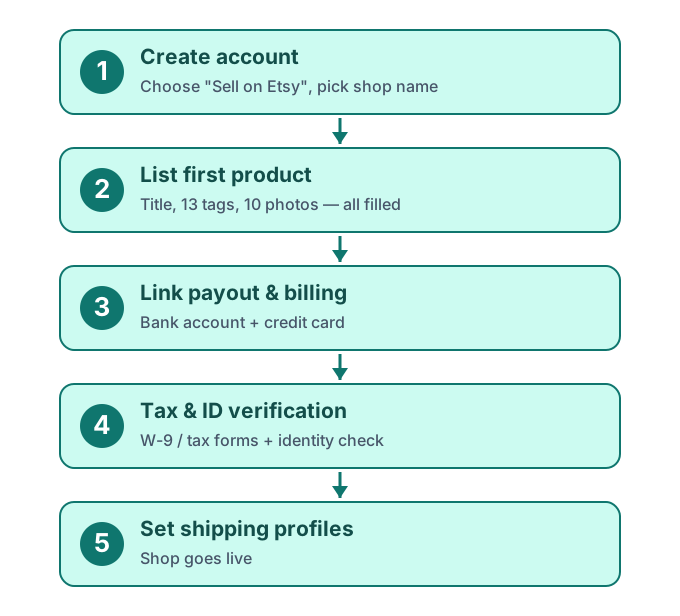
Step one, register an account and choose "Sell on Etsy," then pick your shop name (think carefully — renames are limited). Step two, list at least one product to open the shop — title, description, all 13 tag slots, 10 photos, every field filled. Step three, set up payment and billing: link a bank account and a credit card (for monthly fees and ad spend). Step four, submit tax info and complete identity verification. Step five, configure shipping profiles, and you're live.
The whole flow takes an afternoon if you're fast. But the real work is step two: Etsy is a search-driven platform. Sloppy titles and tags are the equivalent of opening a store with no sign.
Fee Structure: Let's Do the Math
Etsy's fees are the "small but many" type — each looks trivial, but they add up (rates below are compiled from public information; always check the latest official policy):
- Listing fee: $0.20 per listing, valid 4 months; auto-renewal charges again
- Transaction fee: 6.5% of the sale price (including shipping)
- Payment processing: roughly 3% + $0.25 per order in the US
- Offsite Ads: once your shop passes $10,000 in trailing-12-month sales, Etsy auto-enrolls you — orders from it cost 12%–15%, and you can't opt out
- Optional: Etsy Ads (pay per click), Pattern standalone site (monthly fee)
The math on a $45 handmade candle costing $18 to make: $0.20 listing + $2.93 transaction fee + $1.60 processing = $4.73 in fees. You net about $40.27, margin around $22.27 — close to 50%. Looks great, right? But if that order came through Offsite Ads, subtract another 12% ($5.40) and margin drops to $16.87. For high-volume shops, offsite ads are the biggest line item — your pricing has to reserve room for it from day one.
Tactics That Actually Work
Write titles and tags the way buyers search, not the way you think. Etsy's search box has autocomplete — type your core keyword and see what it suggests. That's real search demand. Fill all 13 tag slots with long-tail phrases ("custom mothers day necklace" beats "necklace" ten to one).
Your shop story page isn't decoration. The About page with process photos and videos directly moves dwell time and conversion. Shops with a fleshed-out story page routinely convert 20%+ better.
Price in promo headroom. Etsy buyers respond to "sale" pricing — $50 at 20% off outsells a flat $40. Adjust pricing two weeks ahead of platform sale events (holidays, Mother's Day).
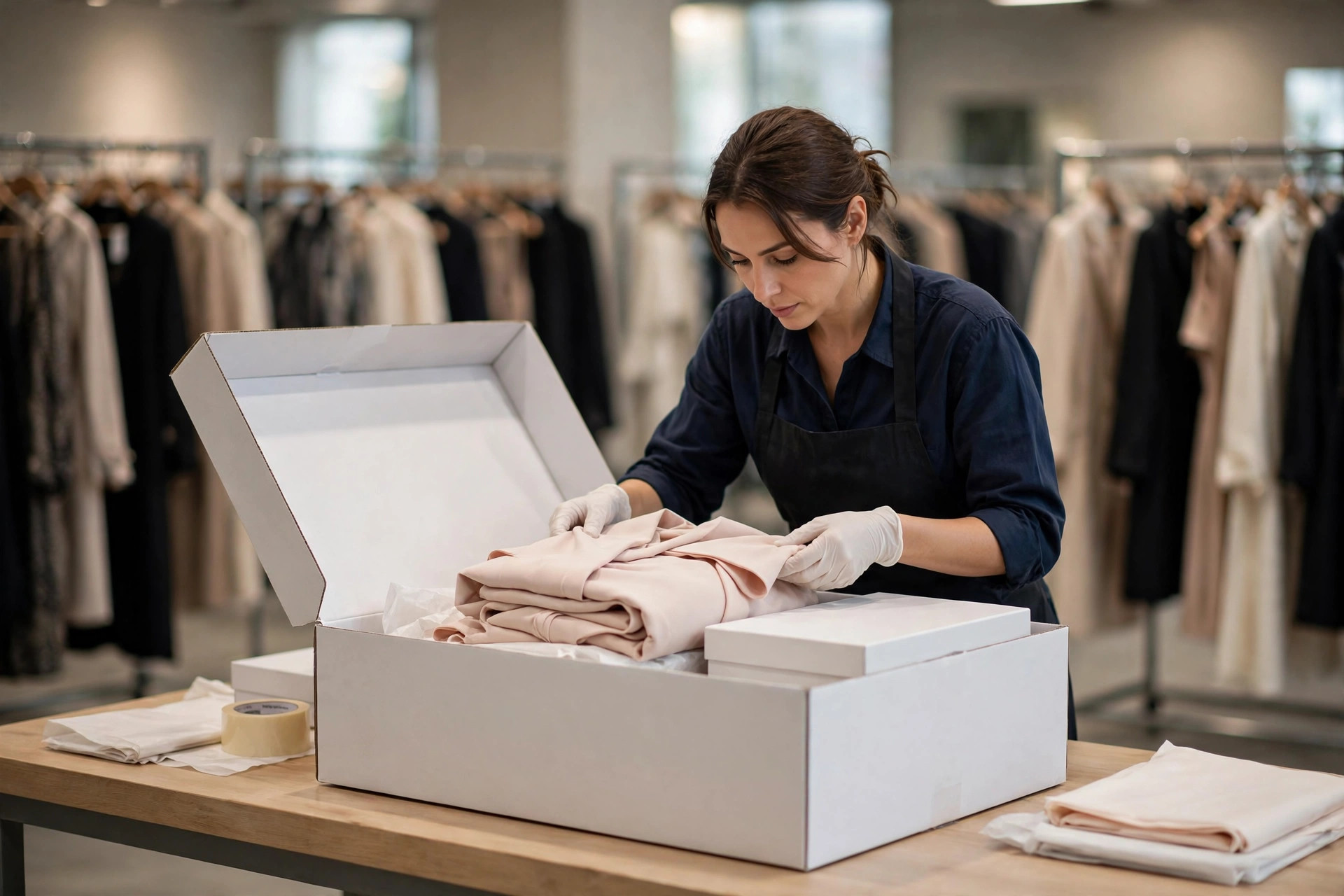
Win repeat business with packaging. Handmade categories have naturally high repeat rates. A handwritten thank-you card plus a next-order discount code costs pennies per parcel and lifts repeat purchases visibly.
Pitfalls: Five to Avoid
IP infringement is a third rail. Disney, anime IPs, celebrity names — touch none of it. Etsy delists first and notifies later; appeals take months and your shop ranking resets to zero.
Don't fake orders. Etsy's fraud detection is no softer than Amazon's. One strike on review manipulation and the shop is gone, no second chances.
Don't wing your shipping profiles. US buyers are hypersensitive to the $35 free-shipping threshold; bad shipping setup means brutal cart abandonment. Fold shipping into the price and offer "free shipping over $X."
Auto-renewal is a silent drain. A few hundred listings auto-renewing at $0.20 each quietly costs over $100 a month. Prune dead listings regularly.
Offsite Ads enrollment is mandatory. Past $10K in annual sales you're auto-enrolled at 12%–15% with no opt-out. Build it into your pricing model now — it's why plenty of sellers lose money right when they start scaling.
Logistics & Warehousing: My Home Turf
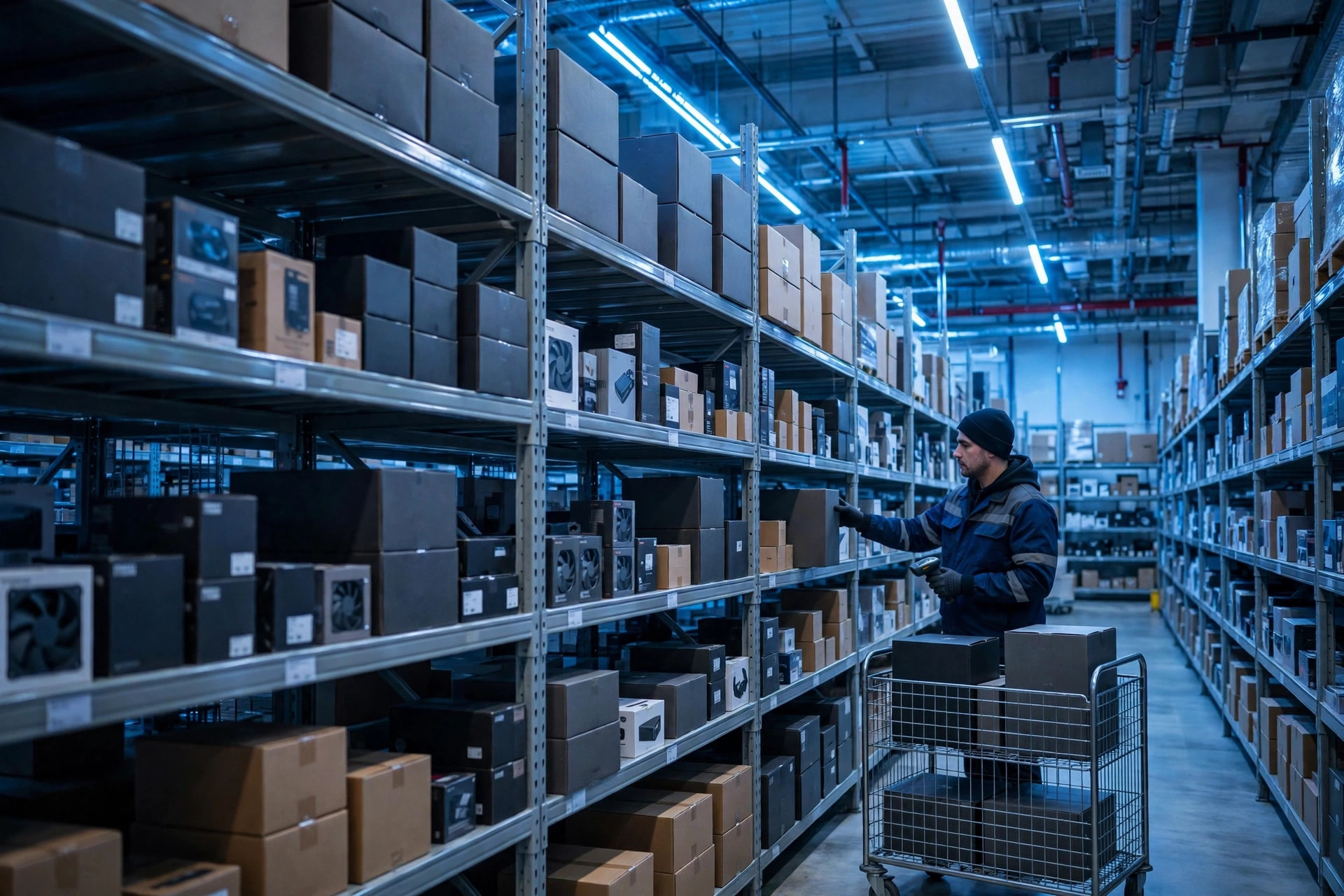
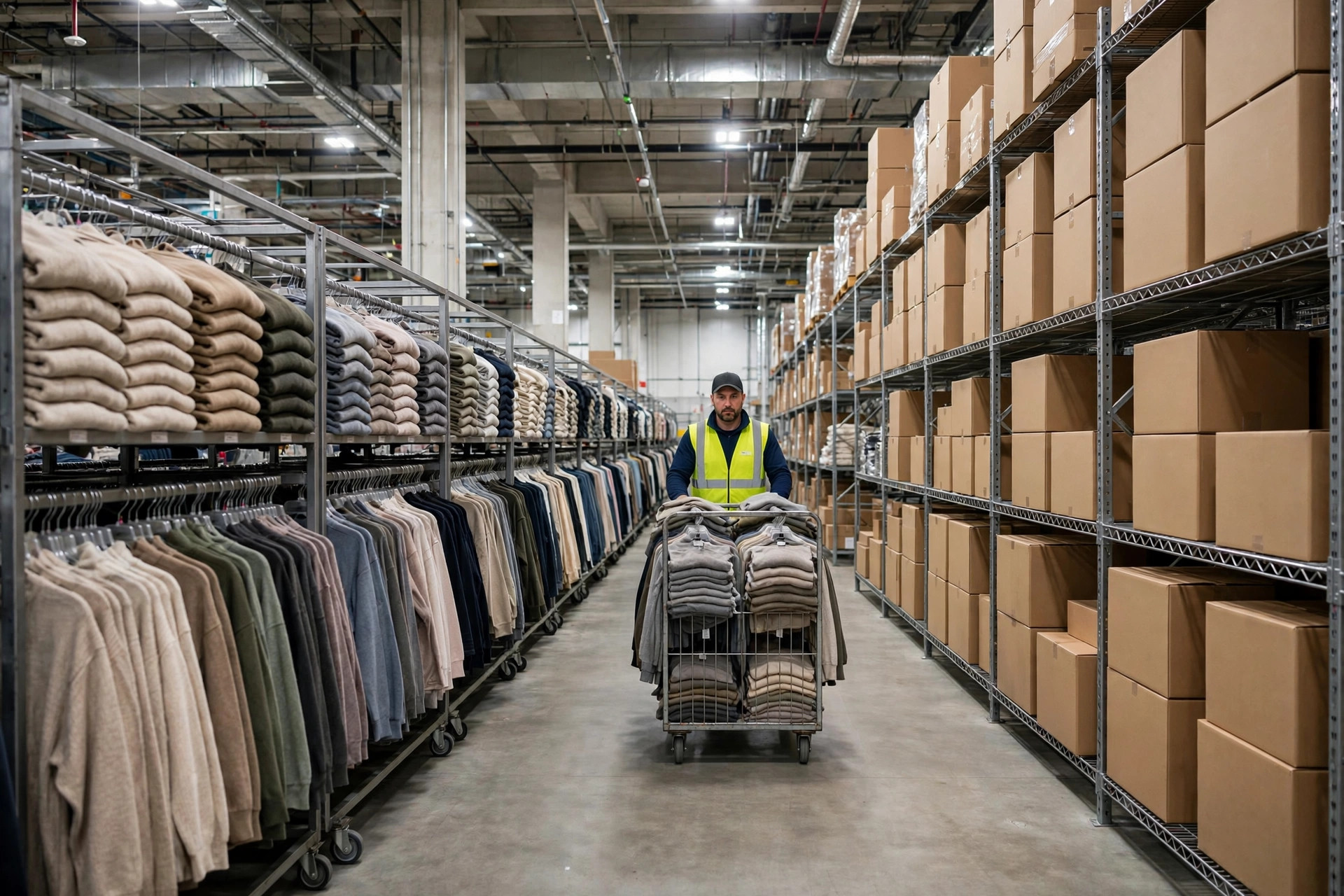
Etsy's order profile — small volumes, many SKUs, high customization, buyers sensitive to ship-from location — dictates the logistics playbook:
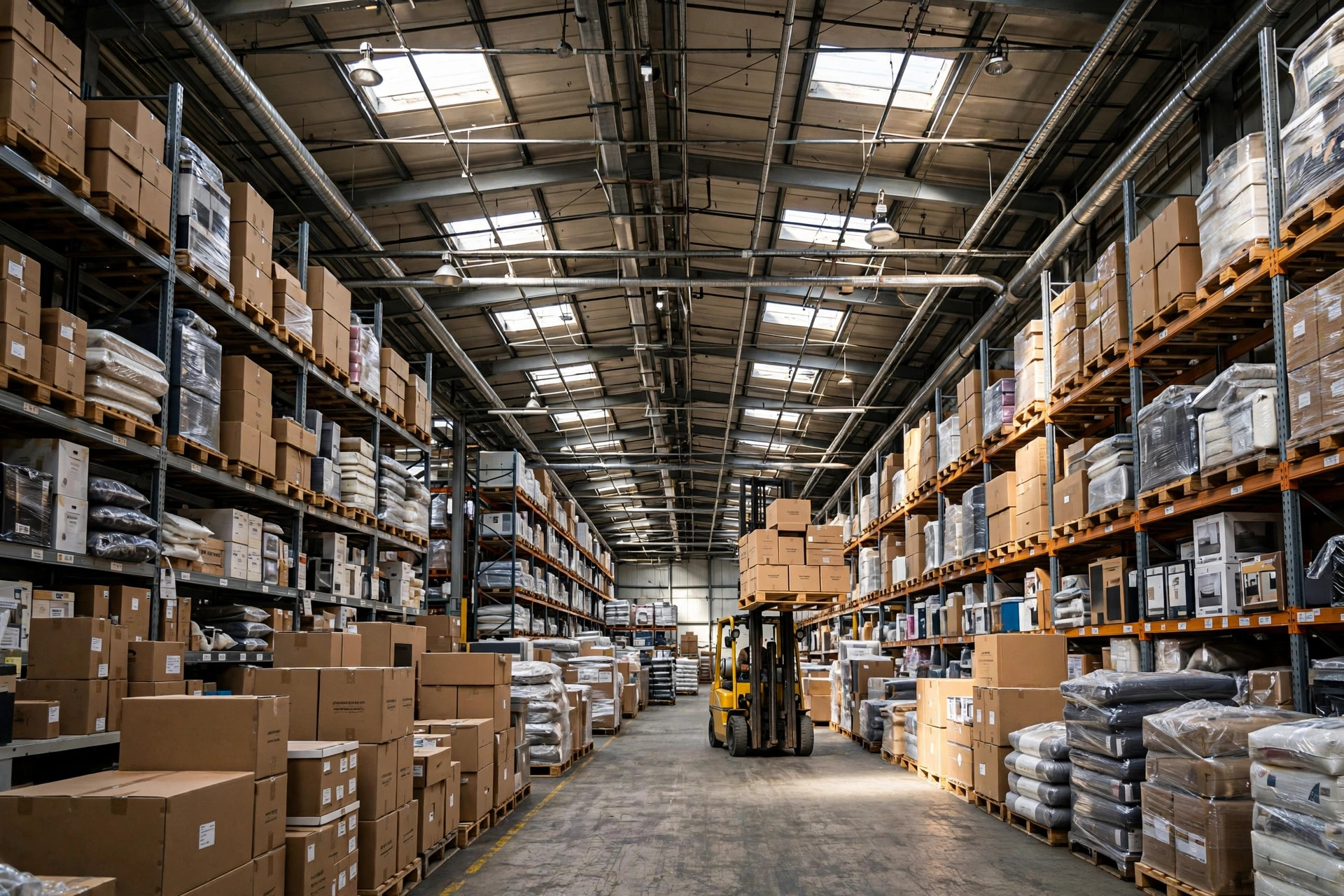
A US warehouse is the dividing line. The same product listed "Ships from California, arrives in 3 days" vs. "Ships from China, arrives in 15 days" can convert at double the rate. Once monthly volume passes ~200 orders, it's worth renting pallet or per-order space with a 3PL (many offer small-warehouse plans) or using overseas-warehouse dropshipping.
Self-fulfillment is fine — but be disciplined. Etsy doesn't force a carrier; USPS, UPS, FedEx all work. The rule is to under-promise on timing: commit to 5 days and deliver in 3, never the reverse. Late-shipment rate is a major ranking factor.
Build a separate flow for custom orders. Production time plus ship time must be calculated separately, and the product page should state "made to order in 3–5 days" so buyers don't expect off-the-shelf speed. Stock up on materials before peak season (Oct–Dec); don't go sourcing after you blow up.
Keep returns generous. Etsy's dispute system leans buyer-friendly. State "no returns on custom items unless defective" for personalized goods, and offer 30-day returns on ready-to-ship items — the cost of a return is far below what one bad review costs in traffic.
Bottom line: Etsy is a slow business; fast money should look elsewhere. But if you nail the human touch and hit domestic-level delivery times, the margins here are among the best of any platform.