Packing Tape and Stretch Film: The "Small Money" That Eats a Forklift a Year
A while back I helped a 3PL warehouse in Chino do a cost review. I flipped through their consumables purchasing records on a whim: $28,000 a year on packing tape, $35,000 on stretch film — over $60,000 combined. The ops director just stared at me. He'd always thought of consumables as "small money." Turns out that "small money" could buy a decent used electric forklift.
Bottom line: tape and stretch film are the most underestimated cost black holes in a warehouse. Not because the unit price is high, but because volume is huge, waste is rampant, and nobody owns the number. Cutting 20 to 30% off is real money.
Start with the math: what are you actually spending
Plenty of warehouses can't even answer this. Tape and film get lumped together with cartons and labels on purchase orders, and finance only ever sees one big "packaging materials" line.
Here's how to break it out: pull 12 months of purchasing records, split them by category, and compute two key metrics — consumables cost per order (total consumables spend ÷ outbound orders) and stretch film cost per pallet (film spend ÷ pallets wrapped).
Some reference points: for an e-commerce warehouse doing 3,000 orders a day, tape cost per order of $0.08 to $0.12 is normal — above $0.15 means something's wrong. Stretch film at $1.20 to $1.80 per pallet is normal; above $2.50, you're definitely wasting it. The worst I've seen was $4 per pallet — workers wrapping 8 turns per pallet "to be safe," and not even pulling it tight.
Once the numbers are on the table, hunt down the waste.
Tape: four waste points, plug them one by one
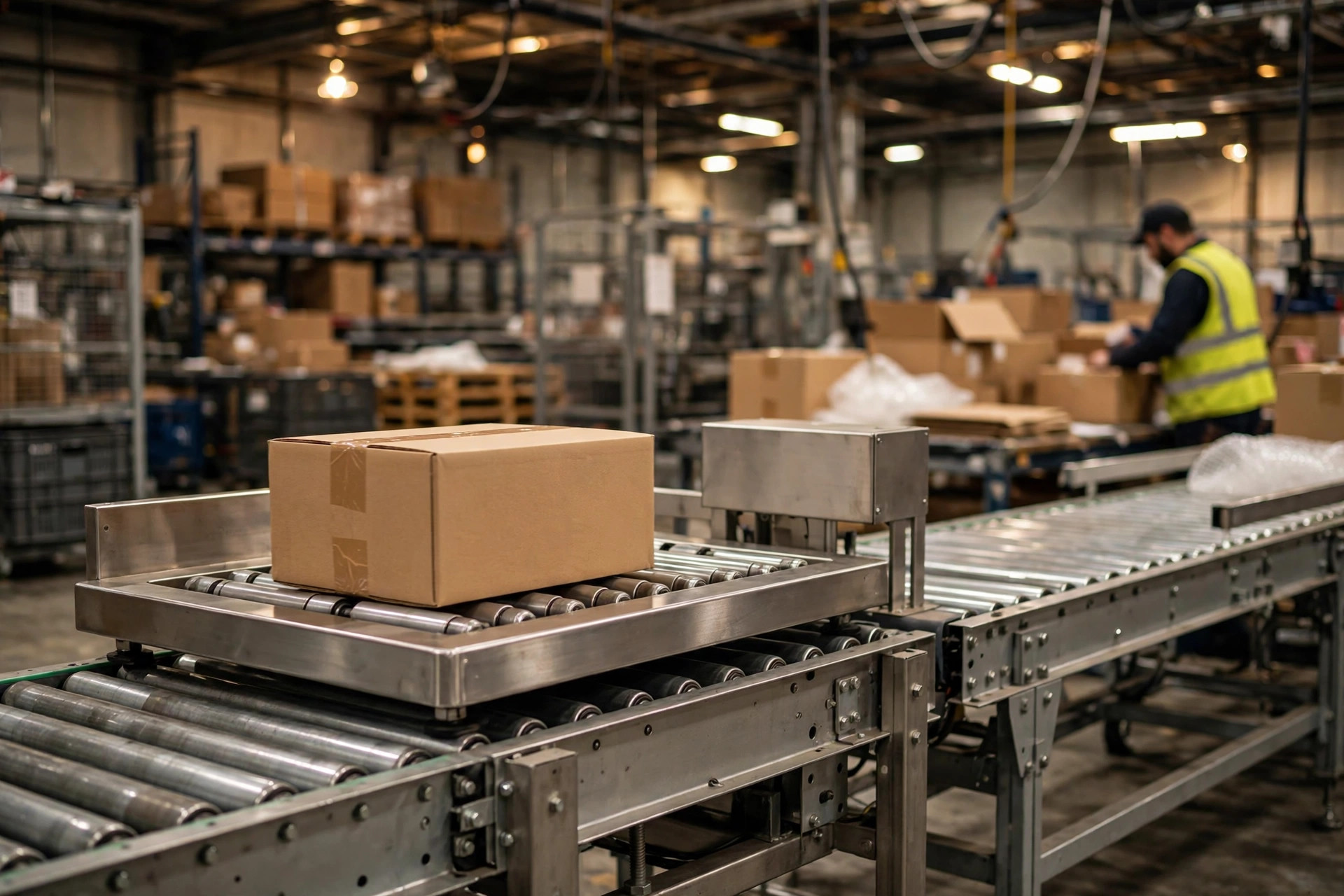
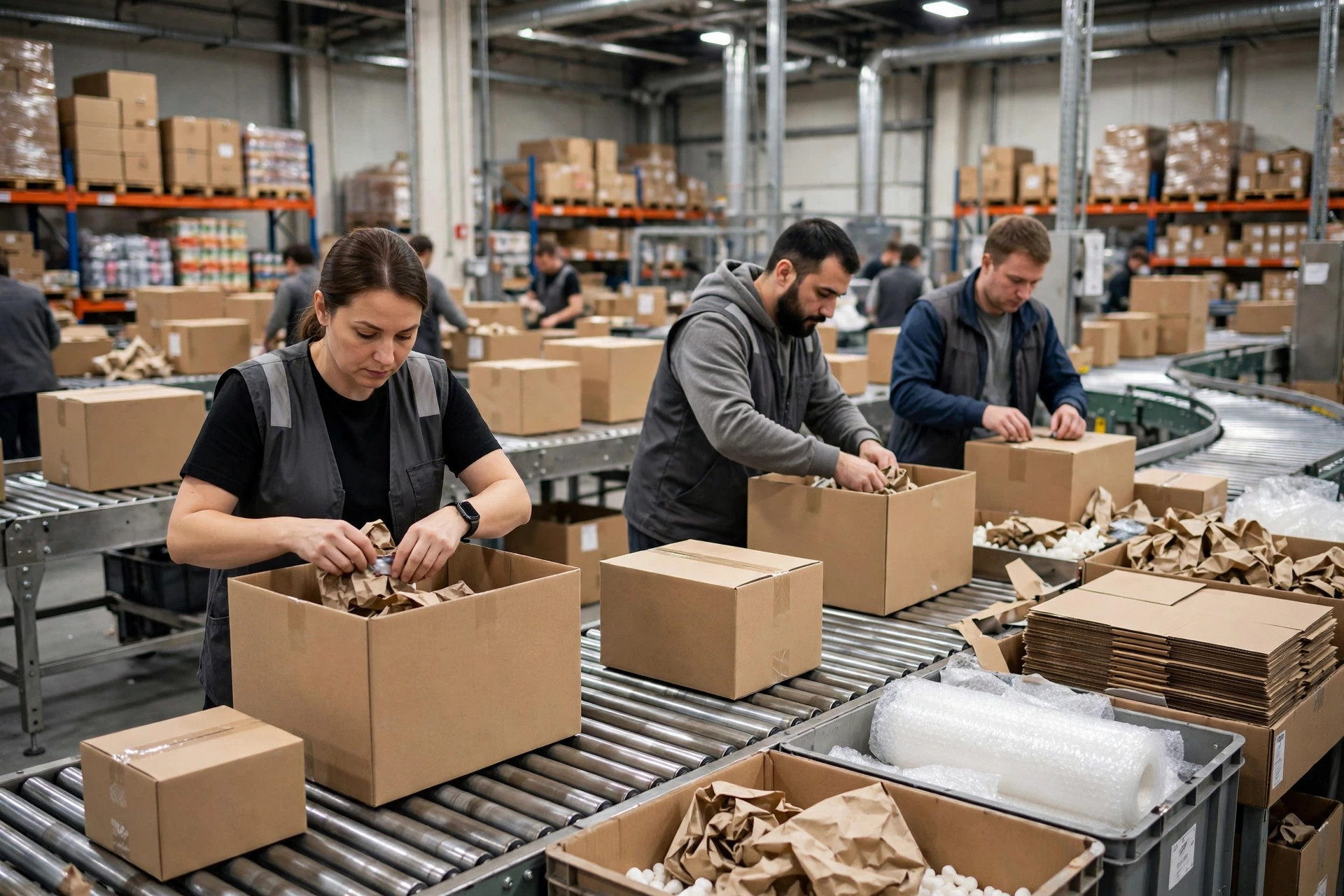
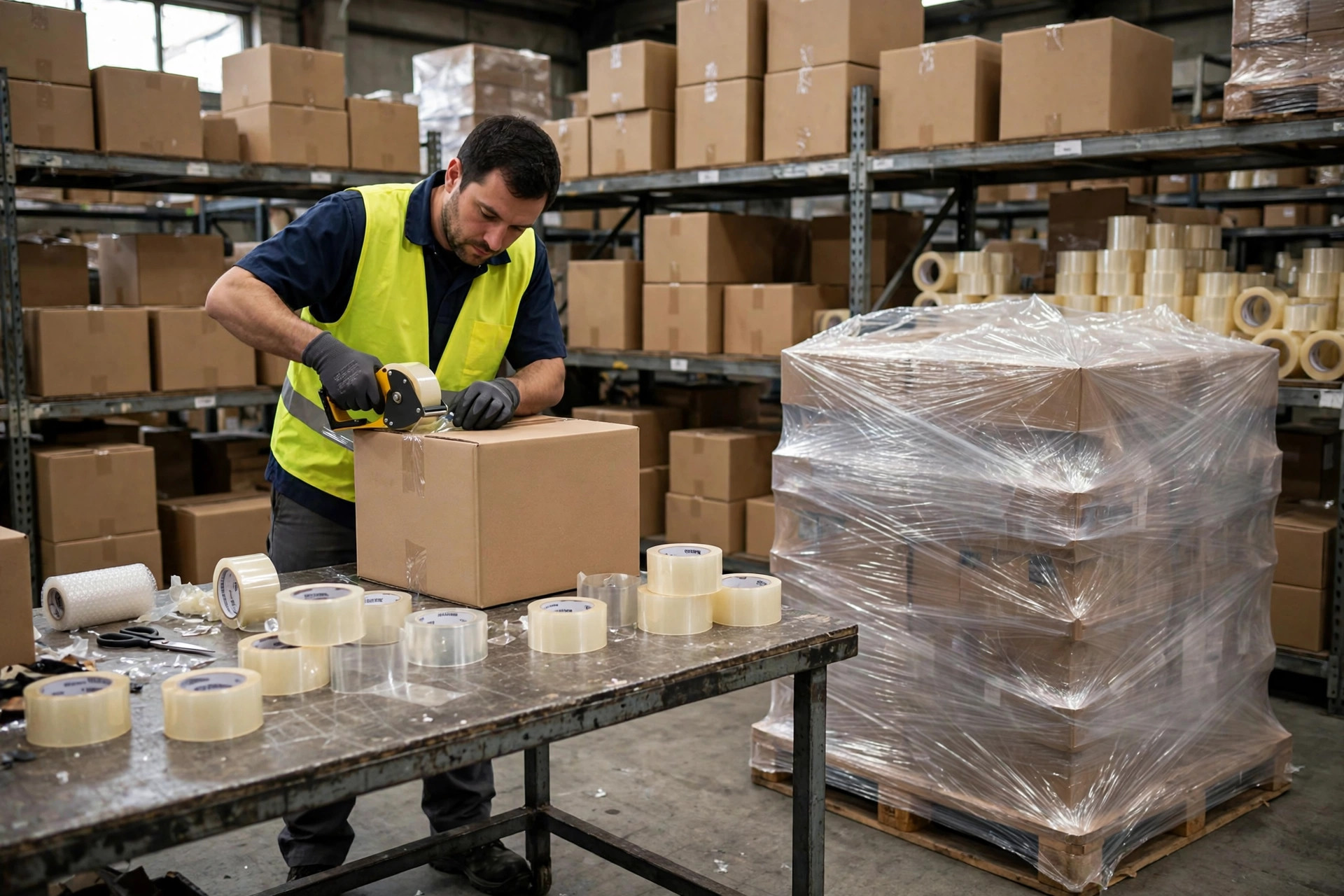
Waste point one: taping technique. Plenty of pack stations default to "three strips per box" regardless of box size. The standard should be: small boxes (under 12 inches) get one center strip; only large boxes need center plus edges. I've measured it — standardizing technique alone cuts tape usage by 25%.
Waste point two: tape dispensers. Cheap dispensers have dull blades, so workers yank and tear and waste a length every time. A decent dispenser with tension adjustment feeds evenly. The price difference is only $15 to $20 per dispenser, and each lasts a year. For a warehouse with 20 pack stations, that's $400 to upgrade everything — paid back in two months.
Waste point three: tape width. The standard 48mm × 100m roll looks cheap per roll, but using 48mm tape on small boxes is pure waste. Zone your pack stations by box size: 36mm narrow tape in the small-parcel area, 48mm in the large-parcel area. Don't dismiss that 12mm difference — it adds up to about 15% of annual usage.
Waste point four, and the sneakiest: tape quality. Ultra-cheap tape has poor adhesion, so workers instinctively wrap an extra turn — and use more of it. Buy mid-range BOPP tape: pick the cheapest roll that passes an adhesion test. The rule for tape is "good enough," not "cheapest possible."
Stretch film: pre-stretch is everything, hand wrapping is the original sin
Eighty percent of stretch film waste comes down to three words: pre-stretch ratio.
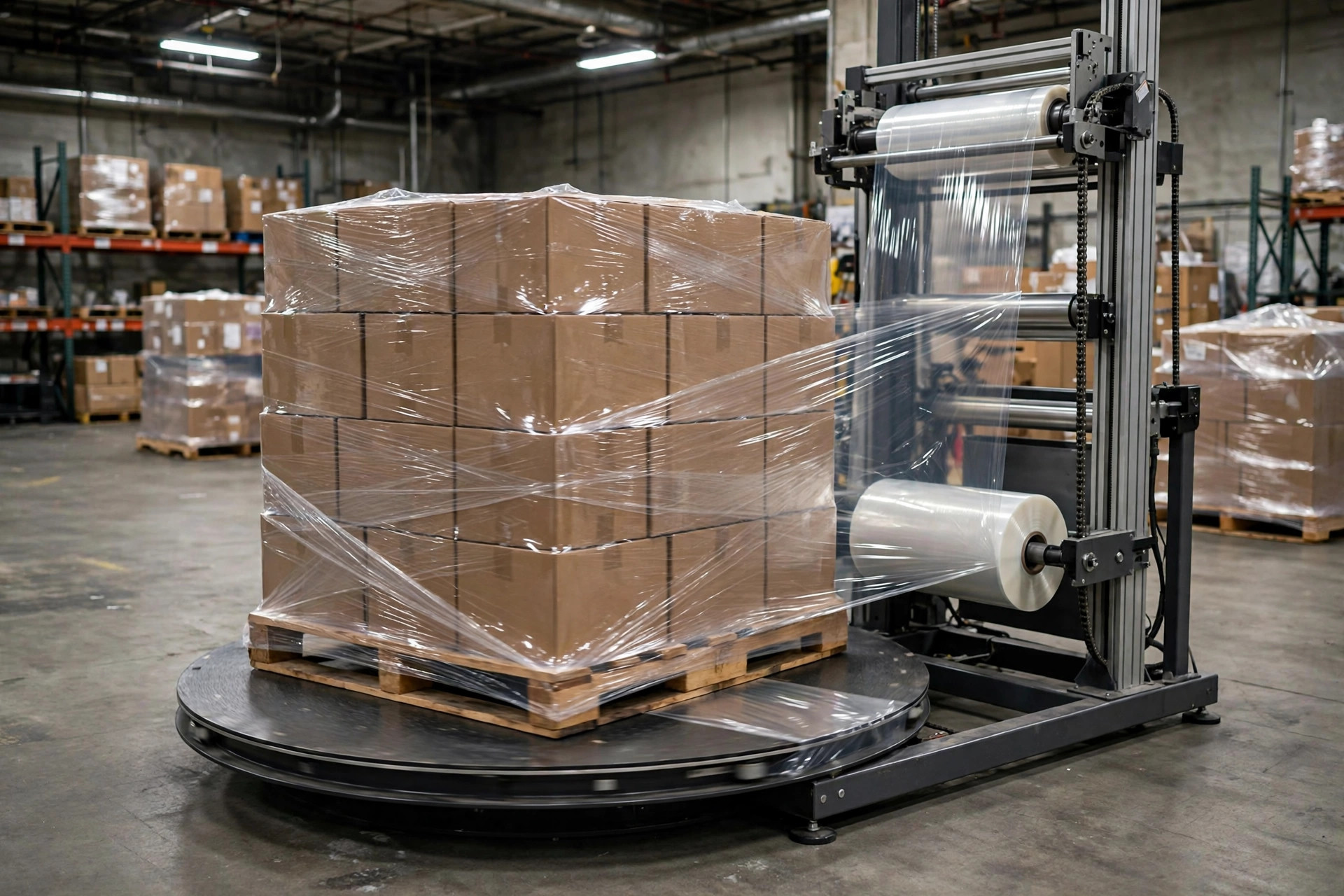
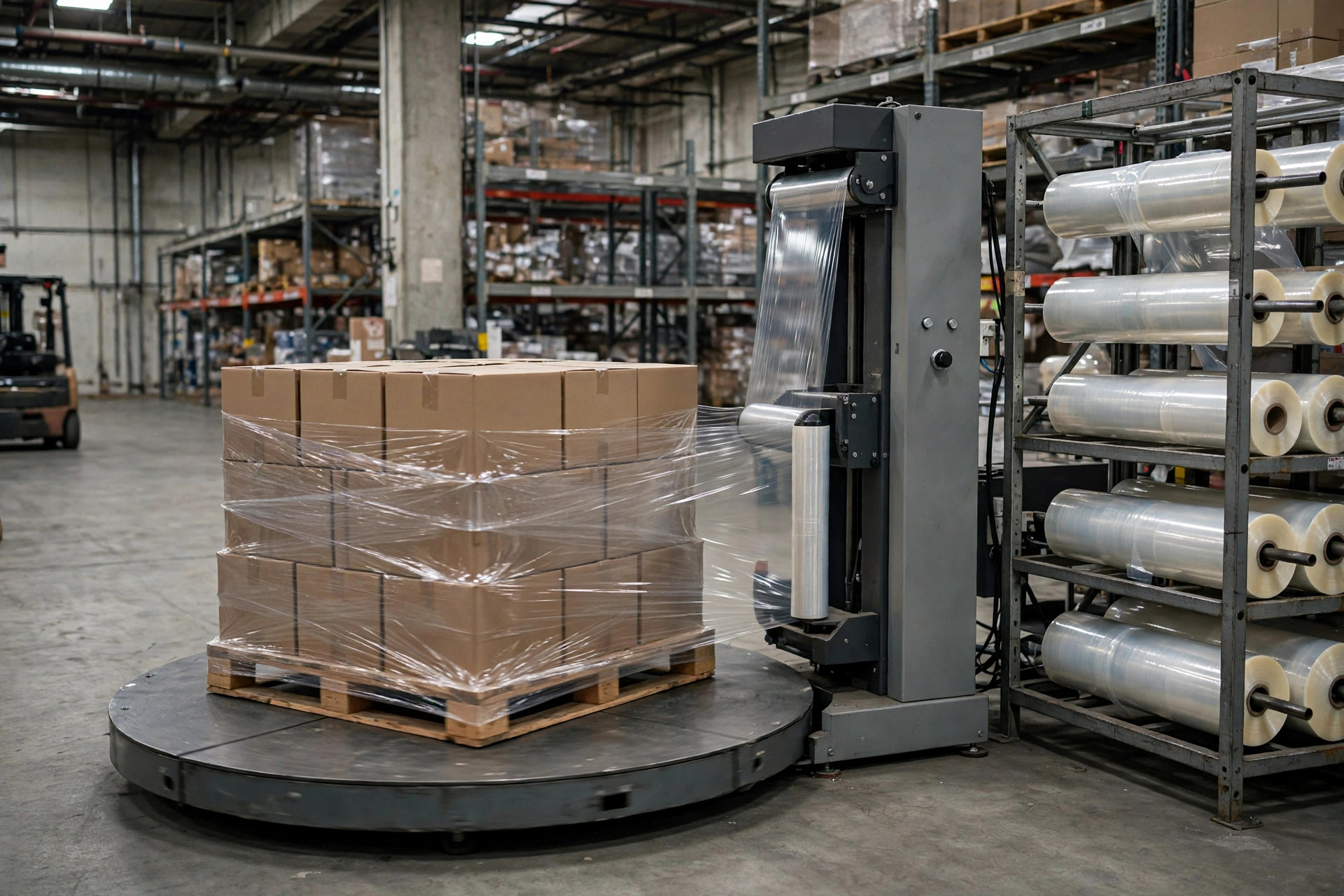
Hand wrapping gets you essentially zero pre-stretch — workers pull as tight as they feel like, and a 1,500-foot roll covers maybe 15 to 20 pallets. Even a semi-automatic turntable wrapper hits 150 to 250% pre-stretch, so the same roll covers 35 to 50 pallets. Usage gets cut in half, just like that.
The math is simple: a semi-auto wrapper costs $4,000 to $7,000. A warehouse wrapping 80 pallets a day spends about $22,000 a year on film by hand (at $2.50 a pallet). Machine wrapping brings it to $1.20 a pallet — saving $11,000 a year. The machine pays for itself in 6 to 8 months, and everything after that is pure savings.
If you're not ready to buy equipment, do two things at minimum: set a hand-wrapping standard — "4 to 5 turns per pallet, top sheet included" — and post it on the wall in the wrapping area. Second, switch to pre-stretched film rolls, which deliver some pre-stretch even by hand. They cost about 10% more per roll but use 20% less — a net win.
One more thing most people miss: wrap turns should match the load. Heavy, neatly stacked pallets need 3 turns; light, tall, unstable loads need 5 to 6. Wrapping everything at 5 turns as a blanket rule is just waste.
Manage it: consumables need an owner
Everything above is technique. This last one is management, and it's the hardest: assign someone to own consumables.
It's simple in practice: issue a monthly quota to each pack station and wrapping area at the start of the month, count remaining stock at month-end, and compute actual usage. Over quota? The shift lead explains why. Three months over in a row? Audit the technique, the equipment, the specs. That's exactly what the Chino warehouse did — tape usage dropped 18% in the first quarter, and they changed nothing except having someone watch the number.
And when purchasing, don't compare unit prices. Compare tape by cost per meter and film by cost per pallet — factoring pre-stretch into the math. Rebid suppliers every six months, but don't churn vendors constantly; the waste from quality swings costs far more than the price difference you save.
My recommendation
Something you can do tonight: walk the floor and count how many tape rolls one pack station burns in a day, and how many turns go around one pallet. Write both numbers down and check them against the reference ranges above — odds are you'll be surprised.
Money saved on consumables is pure profit. Cut 25% off a $60,000 consumables bill and that's $15,000 straight to the bottom line, without selling a single extra order. Not bad for "small money," right?