Here's a number worth sitting with: more than 80% of Chewy's net sales come from Autoship recurring orders. In Q1 of fiscal 2026, that figure hit 84%, with 21.5 million active customers spending an average of $597 a year. For a pet brand, getting into Chewy means stepping into the highest-repeat-purchase pond in American e-commerce. There's just one catch — this pond doesn't have an open door. You need an invitation first.
What this platform actually is
Founded in 2011, Chewy is America's largest pet-focused online retailer. Unlike Amazon's everything-store model, Chewy does exactly one thing: pet products. Dog food, cat litter, toys, supplements, prescription meds, plus telehealth vet consults. Its moat isn't price — it's service and Autoship. Once a pet parent puts kibble on auto-delivery, they stop comparison shopping. That behavioral lock-in is the whole game.
For sellers, there are two doors in. The first is the brand/vendor partnership: you wholesale to Chewy or list on a direct-ship basis, admitted by Chewy's merchandising team on an invitation-led basis. In August 2024, BARK — the well-known pet toy brand — announced it was launching its bestselling toy lines on Chewy, a clear signal that Chewy's third-party brand channel is expanding. The second door is Practice Hub, Chewy's B2B marketplace for veterinary clinics to sell prescription meds with Chewy handling fulfillment. That one's for vet clinics, not consumer brands, but it shows Chewy keeps moving toward platformization.
The key thing to internalize: Chewy has no self-serve seller onboarding. There is no "start selling" button. It operates more like a members-only club with invitation and review-based admission. That single fact shapes everything below.
Where the bar sits
Chewy's merchandising team looks at four things.
First, brand and product strength. White-label, me-too products with no differentiation are dead on arrival. Chewy wants brands that enrich its assortment and carry repeat-purchase potential.
Second, compliance. Pet food must meet AAFCO nutritional standards plus relevant FDA requirements. Supplements and Rx categories need additional credentials. This is a hard gate — incomplete paperwork means instant rejection.
Third, supply chain stability. Stockouts are fatal under the Autoship model, so Chewy evaluates your production capacity and delivery reliability. A workshop pushing a few hundred units a month isn't ready for this stage.
Fourth, US-based fulfillment capability. Whether you wholesale to Chewy or ship direct, you need a way to get products to American consumers fast and reliably. Pure cross-border direct mail with two-week delivery times won't survive Chewy's customer expectations.
Getting in, step by step
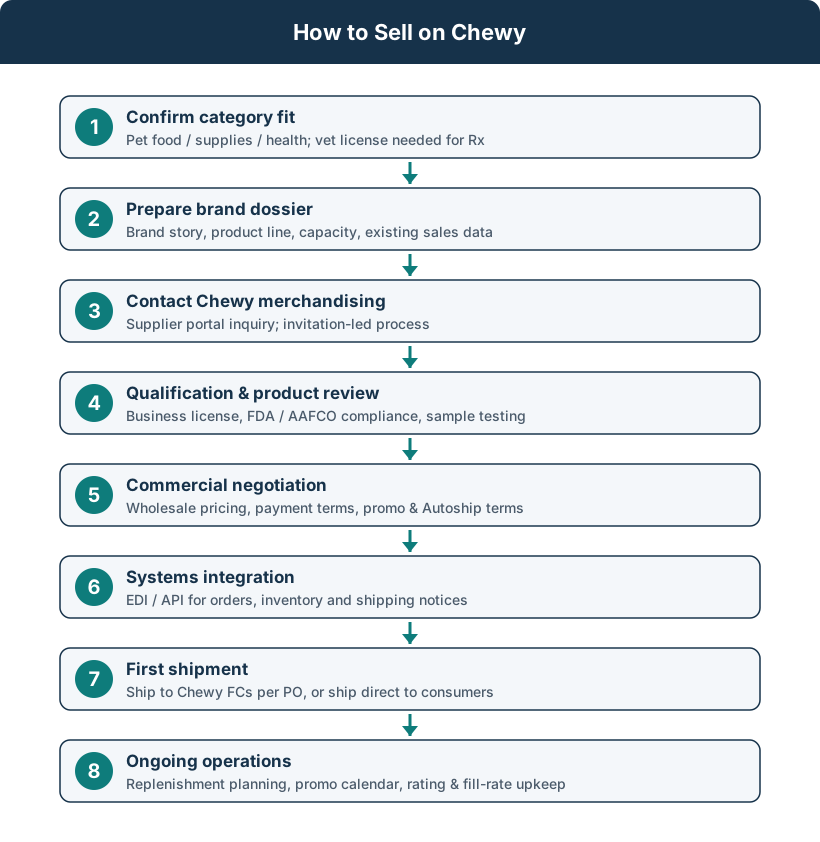
The chart shows eight steps; let me unpack the ones that actually decide your fate.
Reaching merchandising is the first hurdle. Chewy's site has a supplier inquiry entry point — submit your brand story, product line, capacity, and existing channel sales data. Warm introductions help, but a strong dossier works too. The merchandising team reviews dozens of applications; if you can't articulate why Chewy specifically needs your brand, yours goes nowhere.
Sample testing is the second hurdle. Pet food brands will almost certainly be asked to send samples for Chewy's own evaluation. Packaging, labeling, palatability claims — sweat every detail.
Commercial negotiation is the third hurdle, and it's where your next two years of margin get decided. Wholesale pricing, payment terms, promotional support, Autoship eligibility — negotiate every line. My advice: in your first negotiation, don't fixate on wholesale price alone. Autoship admission is worth far more than two extra margin points.
Running the numbers
Chewy publishes no commission rate card — wholesale terms are negotiated case by case, so treat the math below as an illustrative model and confirm everything against your actual contract.
Say you make a mid-tier dog food retailing at $59.99 a bag on Chewy. Wholesale purchase prices typically run 55–65% of retail; assume 60%, or $36. Your factory cost is $22, leaving $14 gross profit per bag — a 39% gross margin.
At 2,000 bags a month, that's $28,000 in monthly gross profit. Subtract: promotional support (your share of Chewy's promo discounts, budget 5–8%), inbound freight to Chewy's fulfillment centers, samples and marketing spend. A 20–25% net margin is achievable and healthy for the pet category.
But the real math works like this: Autoship customers spend $597 a year on average — 4 to 6 repeat purchases per locked-in customer. Amortize your acquisition cost across five repeat orders and it's a completely different business. During negotiations, ask "how soon can my product enter the Autoship recommendation pool" before you haggle over first-order wholesale pricing. That answer is worth ten times more.
Tactics that work
First, make Autoship admission your north-star metric. Every operational move — review accumulation, promo cadence, customer service response times — should serve that goal. Once you're in the auto-renewal pool, your traffic cost trends toward zero.
Second, lead with large-pack SKUs. Pet food is freight-sensitive; big bags carry lower per-unit shipping cost and are more likely to be picked by Autoship subscribers. Small packs work as traffic drivers, not profit drivers.
Third, defend your ratings fast. Chewy's customer service is famously demanding — respond to negative reviews within 24 hours. Pet parent communities spread word of mouth at terrifying speed; one mishandled complaint can taint a whole product line.
Fourth, plan seasonal inventory 60 days out. The year-end holiday season is peak stock-up time for pet supplies, and Chewy's buying plans lock two months ahead. Miss the submission window and you watch competitors sell.
Fifth, invest in your English-language product story. Chewy's product detail pages reward rich content — brand story, feeding guides, ingredient explainers. Listings with strong content can convert 30% better.
Pitfalls to avoid
Pitfall one: hunting for a "seller central." Chewy has no self-serve storefront. Any agency promising to "open your Chewy store" for a fee is selling snake oil. The only legitimate path is the supplier/brand partnership channel.
Pitfall two: stockouts equal demotion. Nothing kills an Autoship business faster. One stockout doesn't cost you one order — it costs you a $597-a-year customer. Carry 45 days of safety stock, not 30.
Pitfall three: label compliance. Pet food labels carry hard FDA requirements — ingredient panels, feeding directions, net quantity statements. Discover a labeling problem after your container lands in the US and the whole shipment needs rework.
Pitfall four: cash flow under wholesale terms. Payment terms typically run 30–60 days while peak-season inventory ties up cash. Model your cash flow before accepting big POs — growth can kill a company faster than stagnation.
Fulfillment and warehousing: how to set it up
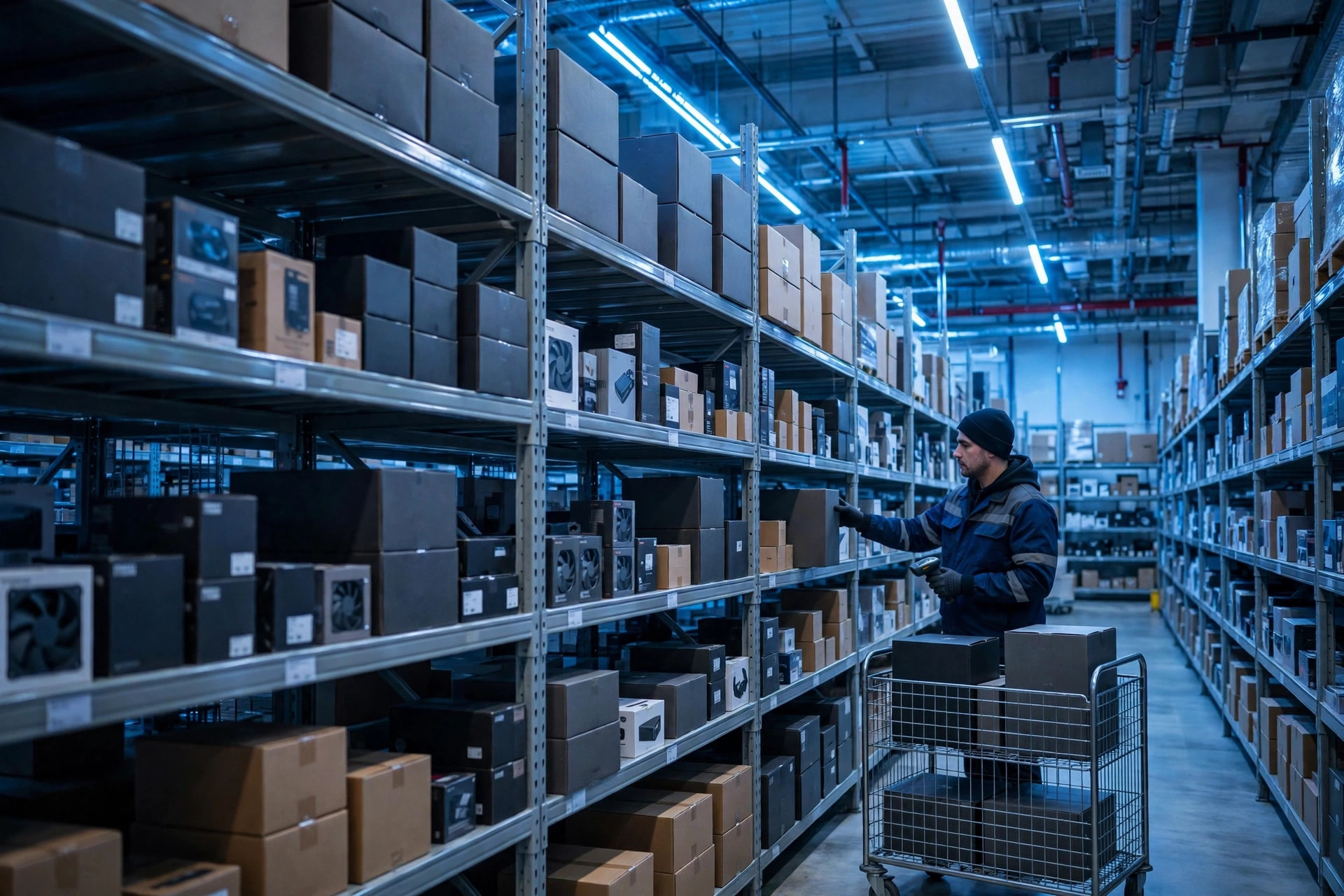
This is my home turf, so I'll go deeper. Pet food is classic heavy, low-value freight — logistics eats margin for breakfast, and picking the wrong fulfillment model wipes out everything you negotiated.
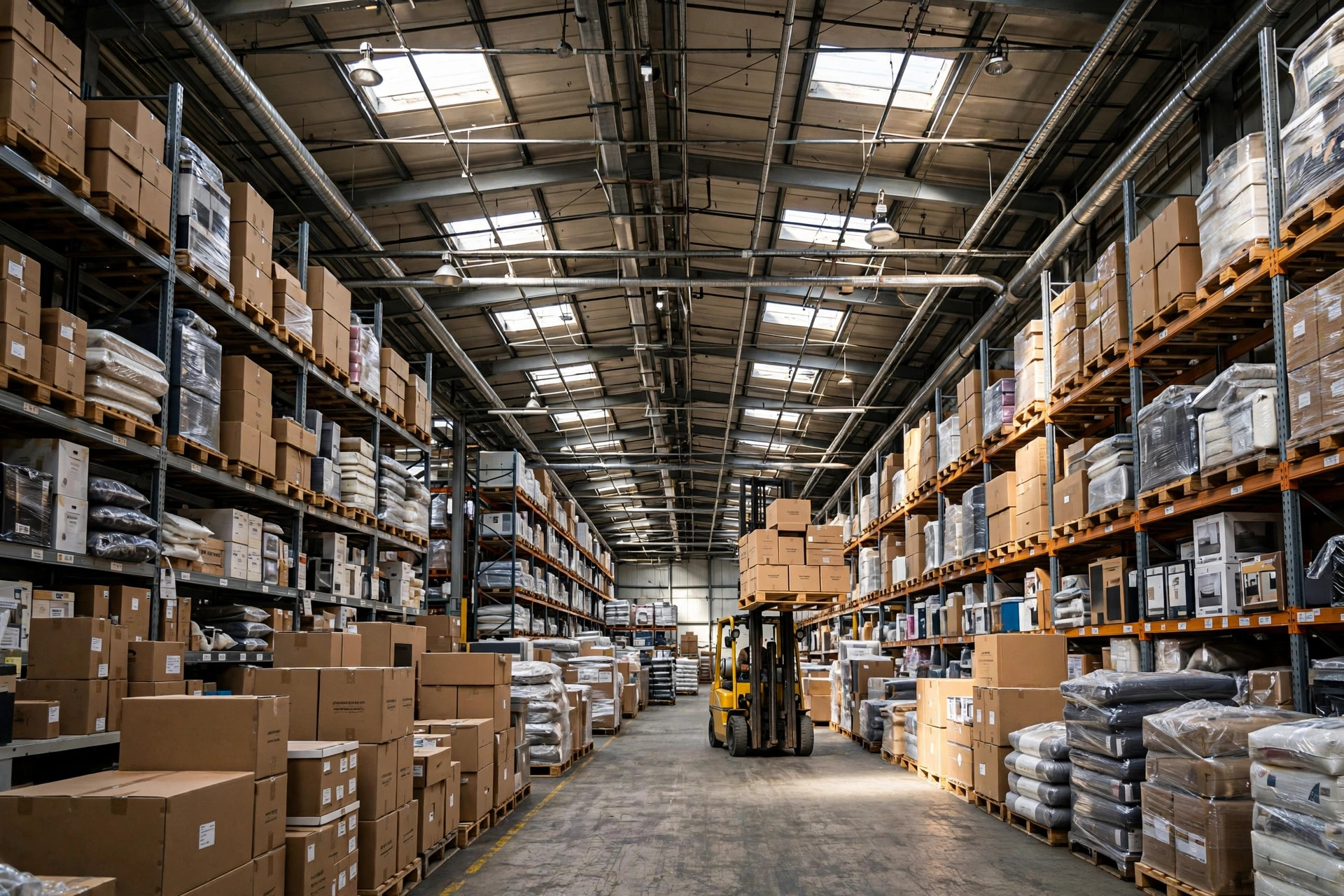
Under the wholesale model, your job is shipping full truckloads to Chewy's fulfillment centers. The levers: truckload cost control, appointment scheduling at the FC, and dock coordination. I recommend forward stocking near Chewy's FC clusters — one node on each coast. Ocean-ship full containers to port, then transload and distribute; that beats shipping truckloads direct from overseas by 30% or more.
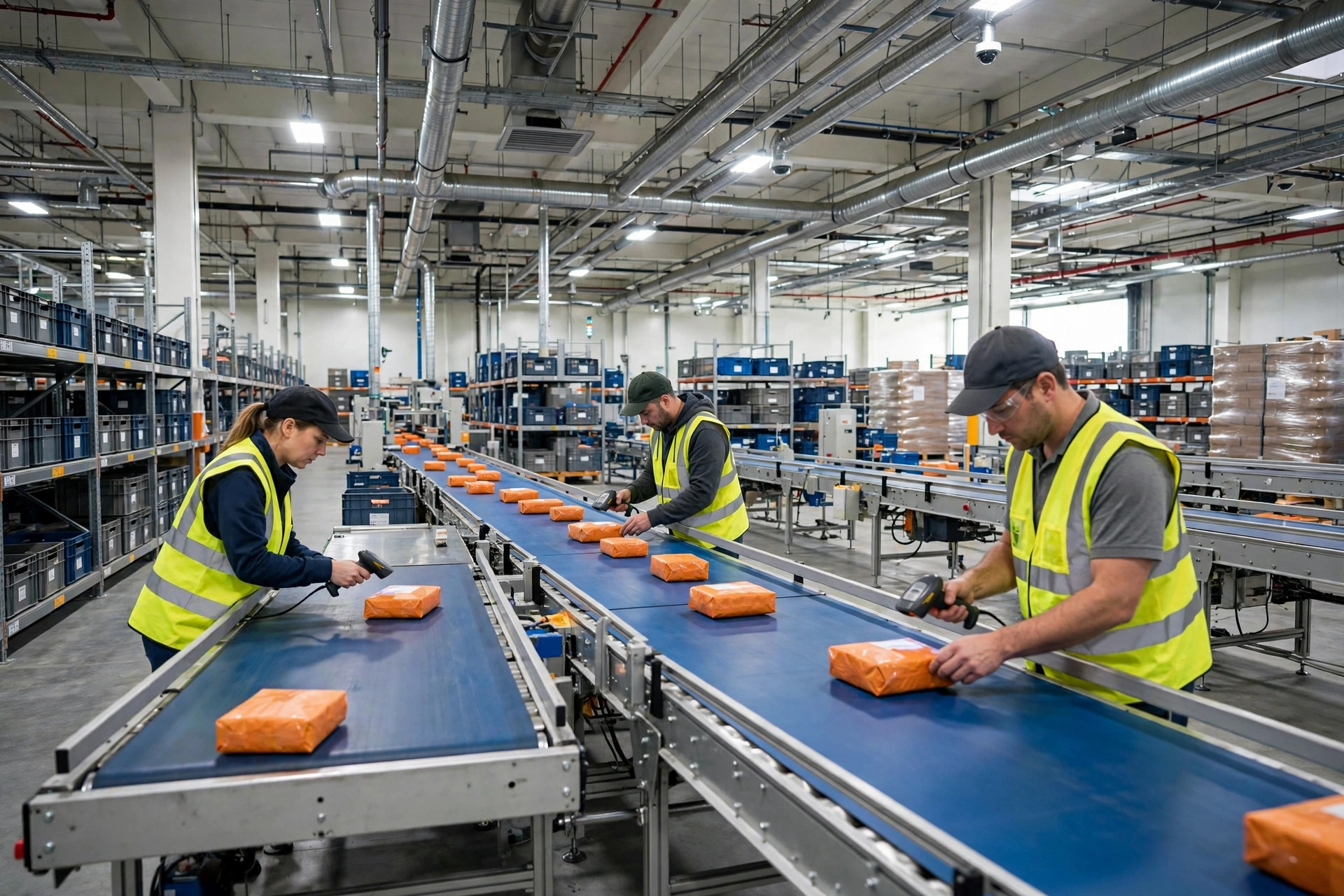
Under the direct-ship model, you are Chewy's cloud warehouse. Autoship demands brutal fulfillment standards: orders out within 24 hours, inventory accuracy at 99.5% or better. You need a reliable US 3PL — an LA-area warehouse for the West, New Jersey or Pennsylvania for the East — covering 90% of the population in 2–3 days. Your WMS must integrate with Chewy via EDI or API; inventory sync lag beyond two hours invites oversells and stockouts.
One more money-saver for heavy goods: ocean freight full containers to the West Coast, deconsolidate, then top up the East Coast warehouse in smaller batches. Ocean cost amortized per bag of kibble is an order of magnitude cheaper than air. Plan 60–75 day replenishment cycles aligned with Autoship's repeat rhythm.
One action for tomorrow: take your hero product and model the repeat-purchase economics post-Autoship — acquisition cost divided by annual repeat frequency. If that number excites you, write the merchandising email. If you can't do that math, Chewy's door might as well not exist. And one timing note: Chewy's merchandising reviews typically run on quarterly cycles, so starting your prep now lines you up for next quarter's assortment review.