For home improvement e-commerce in America, two mountains block the road: Home Depot and Lowe's. Start with the big one. In 2022 I sat with an outdoor-tool client through Home Depot's vendor onboarding — EDI integration alone took six weeks, and test orders got bounced three times over a single packing-slip format error.
My verdict up front: Home Depot is the highest-ceiling channel in the home-improvement category — pro customers, high tickets. It's also the strictest. If you can't handle EDI and your packaging can't survive truck freight, don't touch it. Touch it unprepared and you'll pay to look busy.
What this platform really is
Home Depot is America's largest home-improvement retailer, with two doors in: small sellers go through the Marketplace; bigger ones go through the vendor program, supplying its distribution network directly. Either way, the core customer is the same: contractors and hardcore DIYers.
This crowd buys like pros and returns like judges. Get one spec number wrong and a contractor will write a 500-word review teaching you your job. The upside is ferocious repeat business — win one contractor over and a single job site can reorder a dozen times.
Requirements to sell
Five gates. First, a US business entity with an EIN — even Marketplace sellers should incorporate; pro customers don't trust personal storefronts. Second, product liability insurance at a serious coverage level (check the official requirement) — no insurance, no conversation. Third, category certifications: UL for power tools and electricals, SDS for chemicals, sourcing compliance for lumber. Fourth, EDI capability — orders, ship notices, invoices all run over EDI, non-negotiable. Fifth, packaging and logistics muscle: bulky goods must ship LTL, fragile items need drop-test reports.
How to get on
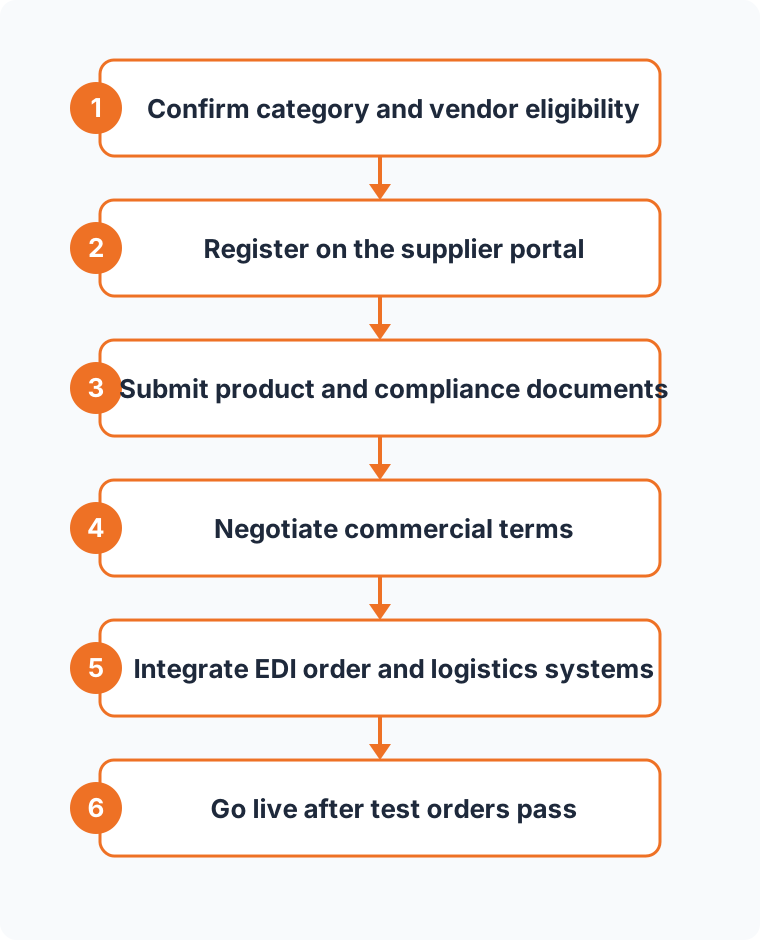
Step one, confirm category and eligibility. Check the official site for whether your category is open to third parties — some building-material categories are locked to first-party. Don't waste the effort.
Step two, register and submit. Create an account on the supplier platform and file company details, product-line overview, and annual capacity. Play up the "pro-grade" angle in your materials — Home Depot eats that up.
Step three, submit product and compliance documents. SKU list, certificates, insurance policy, packaging test reports — all at once. Incomplete files are the number-one rejection reason.
Step four, negotiate commercial terms. Wholesale price, payment terms, promo support, return policy — line by line. Terms typically run long; model your cash flow before you sign.
Step five, integrate EDI. The 850 (purchase order), 856 (ship notice), and 810 (invoice) are the standard trio. Hire a provider with retail EDI experience — don't reinvent the wheel.
Step six, test orders. Small-batch test orders validate the full flow; once labels, documents, and timing are all compliant, you start supplying for real.
Fees: run the numbers
The Marketplace takes category commissions; the vendor program runs on wholesale discounts — check the official site and your negotiated contract for specifics. Run the math: an $799 outdoor tool combo at an assumed 12% commission means ~$96 to the platform; liability insurance amortized ~$4 per unit; LTL last-mile averages ~$45 per unit (bulky is bulky); warehousing and handling ~$8 per unit. You net ~$646, roughly 19% gross margin.
The swing variable is logistics: upgrading that tool set's packaging from single-wall to double-wall corrugated with corner protectors costs $3 more per unit but can cut damage rates from 6% to 1.5%. At $799 a unit, one damaged shipment erases four points of margin. Every extra dollar on packaging pays for itself.
Practical tips
First, write spec sheets to an obsessive level. Torque, RPM, battery capacity, compatible models — nothing missing. Contractors read specs before ordering and after ordering; one error equals a return.
Second, have install videos ready. One 3-minute YouTube install video can cut customer-service inquiries in half — and the platform favors listings with video.
Third, stock to the remodel season. America's renovation peak runs March through September — inventory must be staged by January, freight booked by February. Booking in March means staring at surcharges.
Fourth, sell the contractor pack. Take one tool and offer a 5-piece contractor bundle — ticket doubles, and the platform gives it traffic preference.
Fifth, photograph the install, not just the product. A six-photo sequence showing a real contractor installing the tool in a garage converts better than studio shots — Home Depot's audience trusts sawdust more than softboxes.
Pitfalls
Routing-guide fines. Home Depot enforces strict rules on delivery appointments, labels, and pallet specs — one violation's fines and chargebacks will make you question your life choices. Print the routing guide and tape it to the warehouse wall before your first inbound.
Payment-term traps. Net 60 and Net 90 are normal (check your contract) — pre-peak stocking devours cash flow. If the math doesn't work, don't take the big order.
Bulky returns. A 200-pound machine coming back can cost more in freight than the item's worth. State dimensions, weight, and install requirements clearly on the product page to filter out mistaken buyers.
Price protection. When the platform runs promos, you're expected to participate — negotiate the promo cost-sharing split in the contract instead of eating it all yourself.
Logistics and warehousing: my home turf
Home-improvement logistics is the hardest part of this business. Three recommendations.
First, find a 3PL that speaks LTL. A standard small-parcel warehouse can't handle 150-pound freight — ask directly: do you have LTL shipping experience, can you palletize, do you know each platform's routing guide? If they blank on all three, walk away no matter how cheap.
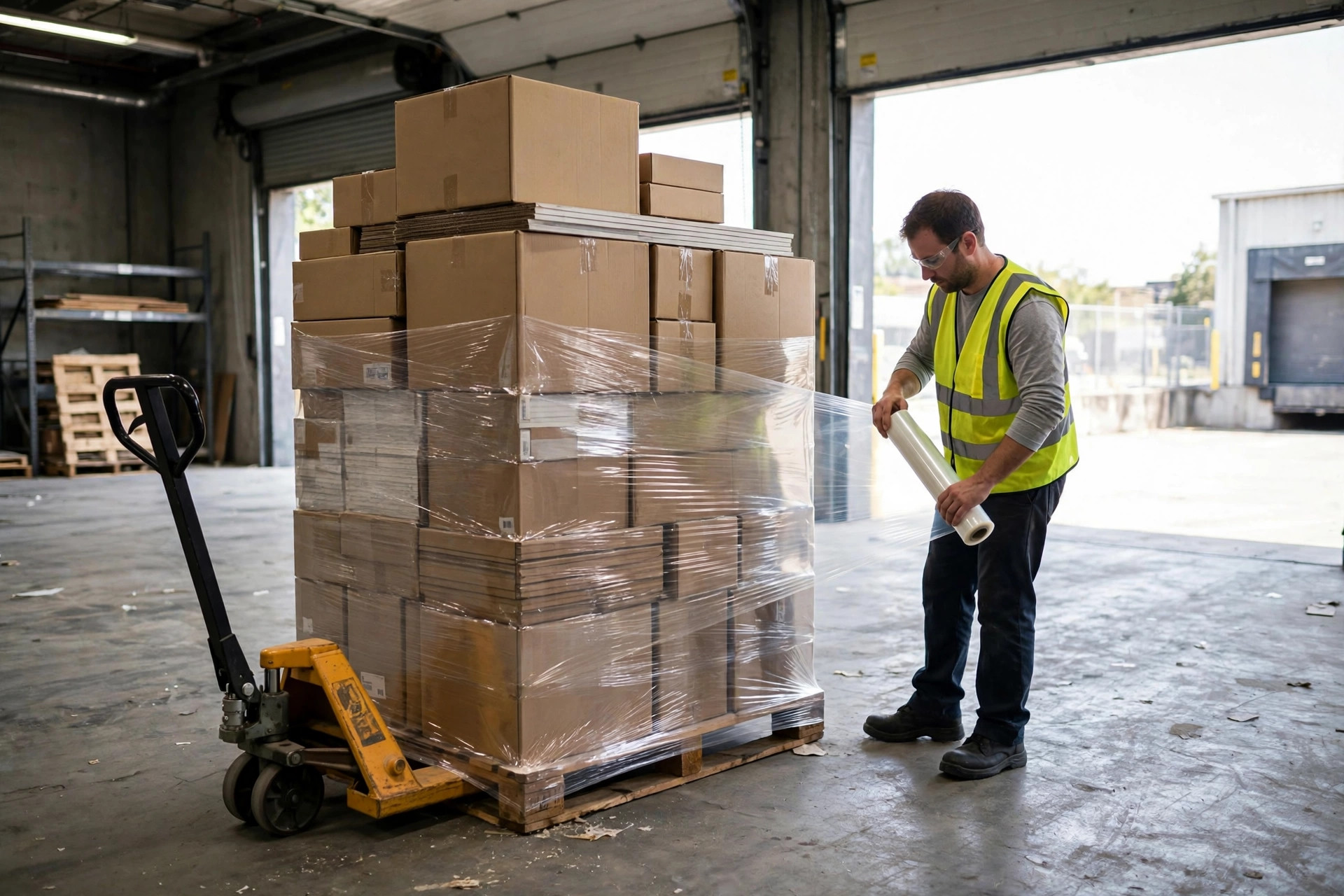
Second, package to truck standards. Drop tests, stack tests, vibration tests — keep the reports on file. Home Depot's tolerance for arrival damage is near zero; repeated over-limit damage gets your vendor status suspended. My verdict: budget 3–5% of landed value for packaging, and don't shave a cent.
Third, split inventory by category. Small tools (under 50 lbs): bi-coastal warehouses. Heavy equipment: consolidate in one central node (Dallas works) and run LTL nationwide — 1–2 days slower, but warehousing costs halve, and contractors accept 5-day delivery better than you'd expect.
One last line: Home Depot is a slow business — three months to get in, six to gain traction, a year to stabilize. If you arrive expecting listings to explode on day one, pick another lane.