After Home Depot, you have to talk about its arch-rival Lowe's. Many sellers treat Lowe's as "the backup option" — that mindset is wrong. In home improvement, being number two means half the competition with ninety percent of the strictness.
My verdict up front: Lowe's is the most cost-effective springboard into America's home-improvement e-commerce. Less traffic than the leader, but a friendlier review process and less cutthroat categories — ideal for mid-sized sellers using Lowe's as training ground with Home Depot as the long-term target.
What this platform really is
Lowe's is America's second-largest home-improvement retailer, with online and offline fully integrated, split roughly evenly between pro customers and DIYers. Its third-party seller ecosystem has expanded fast in recent years — plenty of brands that couldn't squeeze into Home Depot built real sales on Lowe's first, then knocked on the leader's door with data in hand.
The customer profile heavily overlaps Home Depot's, but Lowe's skews higher on female DIYers — home décor, garden, and storage categories actually sell better here than at the big brother. Remember that difference in assortment planning; don't treat the two platforms as one.
Requirements to sell
Structurally the same as the leader: US business entity plus EIN, product liability insurance, category certifications (UL, FCC, SDS — whatever applies, no exceptions), EDI integration capability. Two differences: first, Lowe's is somewhat more tolerant of mid-size brands — newcomers without national name recognition still get a shot. Second, its supplier portal and integration docs are relatively modern and friendlier — that's a direct quote from EDI consultants serving several of my clients.
How to get on
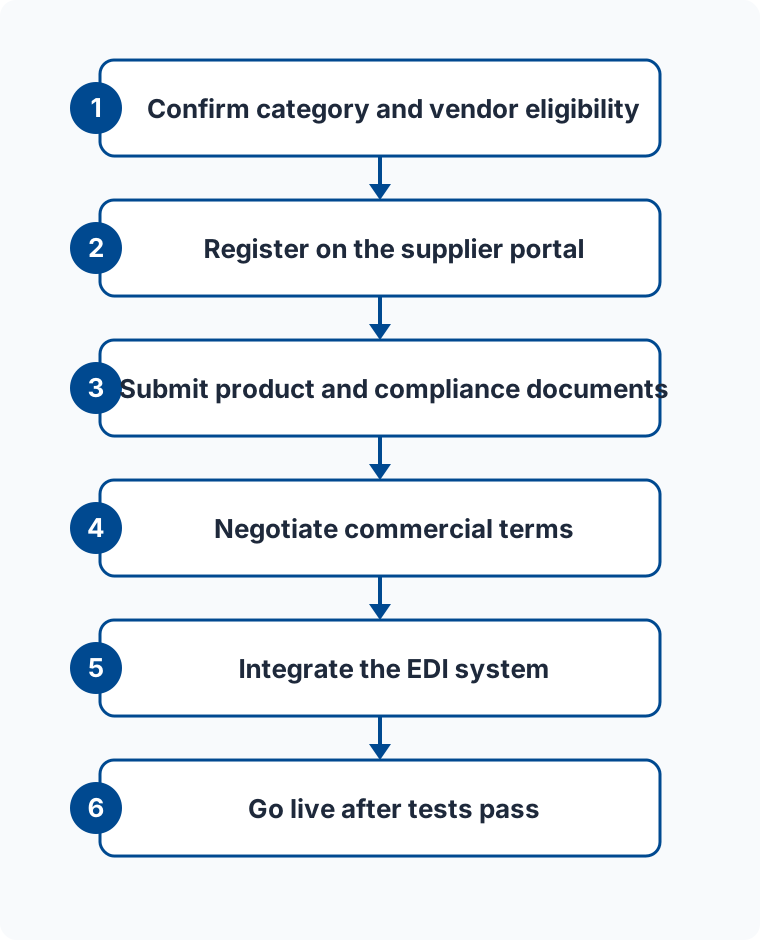
Step one, confirm category and eligibility. Check which categories are open, and critically — whether a dominant first-party brand already owns your product's search results on Lowe's. If so, come back with a differentiated angle.
Step two, register and apply. Sign up on the supplier portal with company details, brand story, and product lines. Lead with differentiation: cheaper, more pro, better-looking — own at least one.
Step three, submit product and compliance documents. SKU list, certifications, insurance, packaging specs — all at once. Lowe's review cycles usually run shorter than the leader's, but incomplete files get bounced just the same.
Step four, negotiate commercial terms. Wholesale price, payment terms, promo participation — line by line. Mid-size brands get slightly more negotiating room here than at the big brother; don't waste it.
Step five, integrate EDI. Order, ship-notice, and invoice messages are all mandatory. Teams with Home Depot EDI experience onboard Lowe's fast — the message sets are close cousins.
Step six, test and launch. Small-batch test orders validate labels, timing, and documents; then you go live for real.
Fees: run the numbers
Commission and wholesale-discount structures resemble the leader's — check the official site and your contract for specifics. Run the math: a $449 electric mower at an assumed 10% commission means ~$45 to the platform; certification and insurance amortized ~$3 per unit; bulky last-mile (LTL or oversize parcel) ~$38 per unit; warehousing and handling ~$7 per unit. You net ~$356, roughly 21% gross margin.
Watch Lowe's promo calendar: spring garden season, July 4th, and Black Friday are the three big beats, and suppliers are expected to fund promo pricing at each. Reserve 8–10% promo headroom in your pricing — don't start cutting margin when the event arrives.
Practical tips
First, ride garden season. Lowe's spring traffic surges hard; have outdoor and garden inventory staged by February to catch a wave of organic demand.
Second, think through the female shopper's eyes. Hero and lifestyle images showing real home use convert better — home-décor categories here reward that treatment.
Third, seed the Q&A yourself. Buyers ask a question and wait three days; instead, ask the frequent questions from a buyer account and answer them from your seller account. Conversion can differ by 20%.
Fourth, reuse your Home Depot content assets. Spec sheets, videos, manuals built once can be reformatted and reused — don't pay twice.
Fifth, answer reviews fast. Lowe's surfaces seller responses prominently, and a same-day reply to a 3-star review often gets the reviewer to revise upward — that revised star is worth more than any ad spend.
Pitfalls
Don't run Lowe's as an afterthought. Buyer overlap between the two platforms is lower than you'd guess, and Lowe's store ratings and content quality drive traffic just the same — neglecting the storefront wastes the slot.
EDI message differences. They look alike, but field definitions differ in the details — copy-pasting the big brother's message templates gets you bounced in testing. Leave a week for integration tuning.
Return-policy differences. Lowe's in-store returns are convenient, and a meaningful share of online orders come back through stores. Slip a clear return-instruction card into the package and save yourself the support back-and-forth.
Regional stockouts. One warehouse shipping nationwide drags down conversion west of the Rockies on delivery time — during time-sensitive garden season, consider a temporary West Coast forward node.
Fifth, underestimating seasonality. Lowe's seasonal swings run sharper than the leader's — carry three weeks of safety stock on either side of garden season. One stockout can cost you two weeks of ranking.
Logistics and warehousing: my home turf
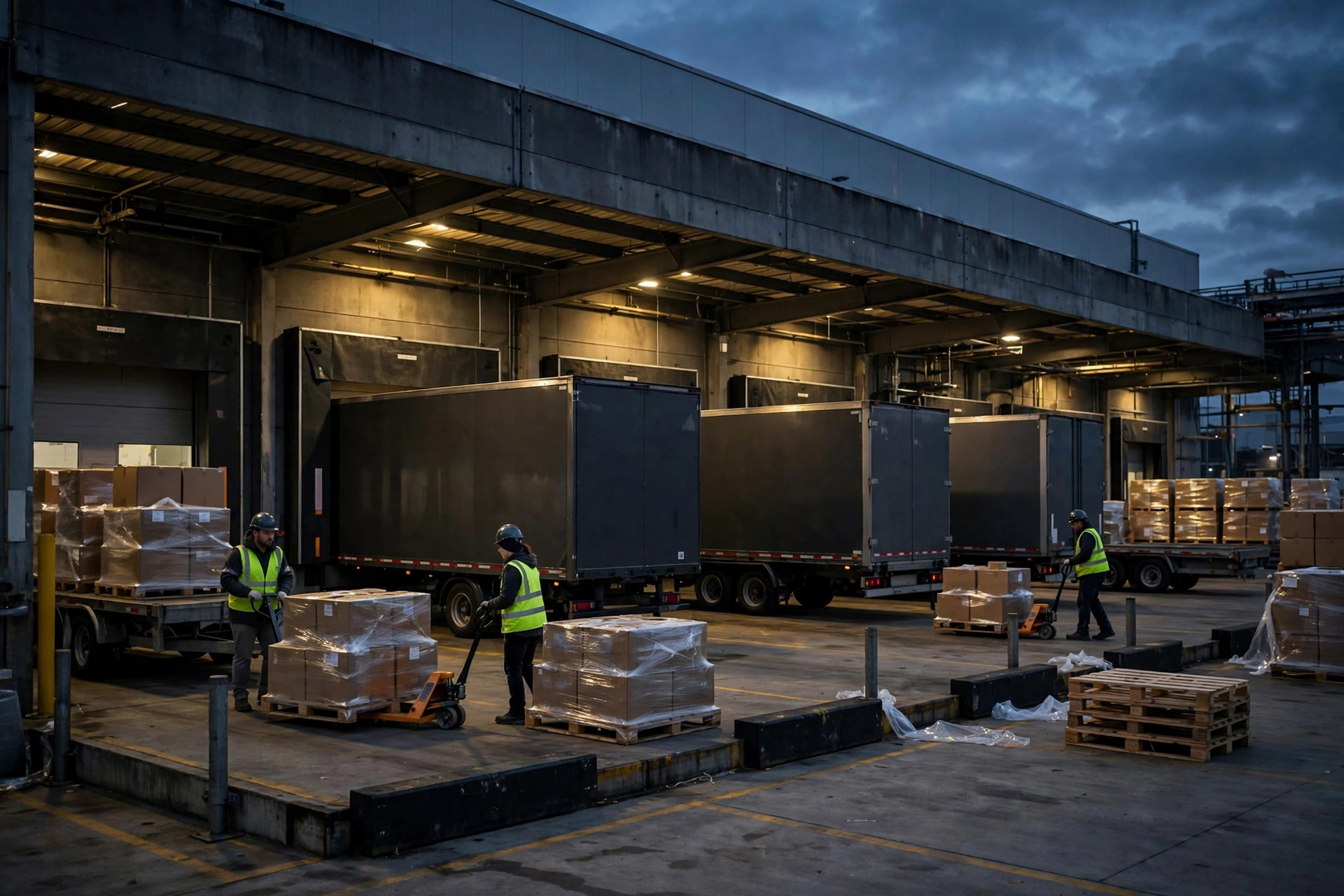
Sellers running both Home Depot and Lowe's get a natural warehousing advantage: one pool of goods serving two platforms.
First, one inventory, two channels. SKUs overlap heavily across the two platforms — one inventory pool with two EDI connections doubles your turns. That's the cheapest part of multi-platform home improvement. When choosing a 3PL, confirm the system supports multi-platform inventory sharing.
Second, keep the routing guides separate. The two platforms' delivery specs differ in the details — labels, pallets, appointment flows each get their own SOP, posted at different stations. Never mix them; each mix-up costs a fine.
Third, forward-stock the bulky stuff. Over 150 lbs: one forward node on each coast, LTL linehaul plus local delivery — damage rates and freight both come down. Small items only: bi-coastal parcel warehouses, same logic as Best Buy.
My verdict: Lowe's isn't Home Depot's consolation prize — it's an independent growth line. Win both and you're established in US home-improvement e-commerce; win only one and the other always has leverage over you. Plan warehousing for "dual platform" from day one — don't go warehouse-hunting after the second deal closes.